 Follow Us on Google News


 Follow Us on Google Discover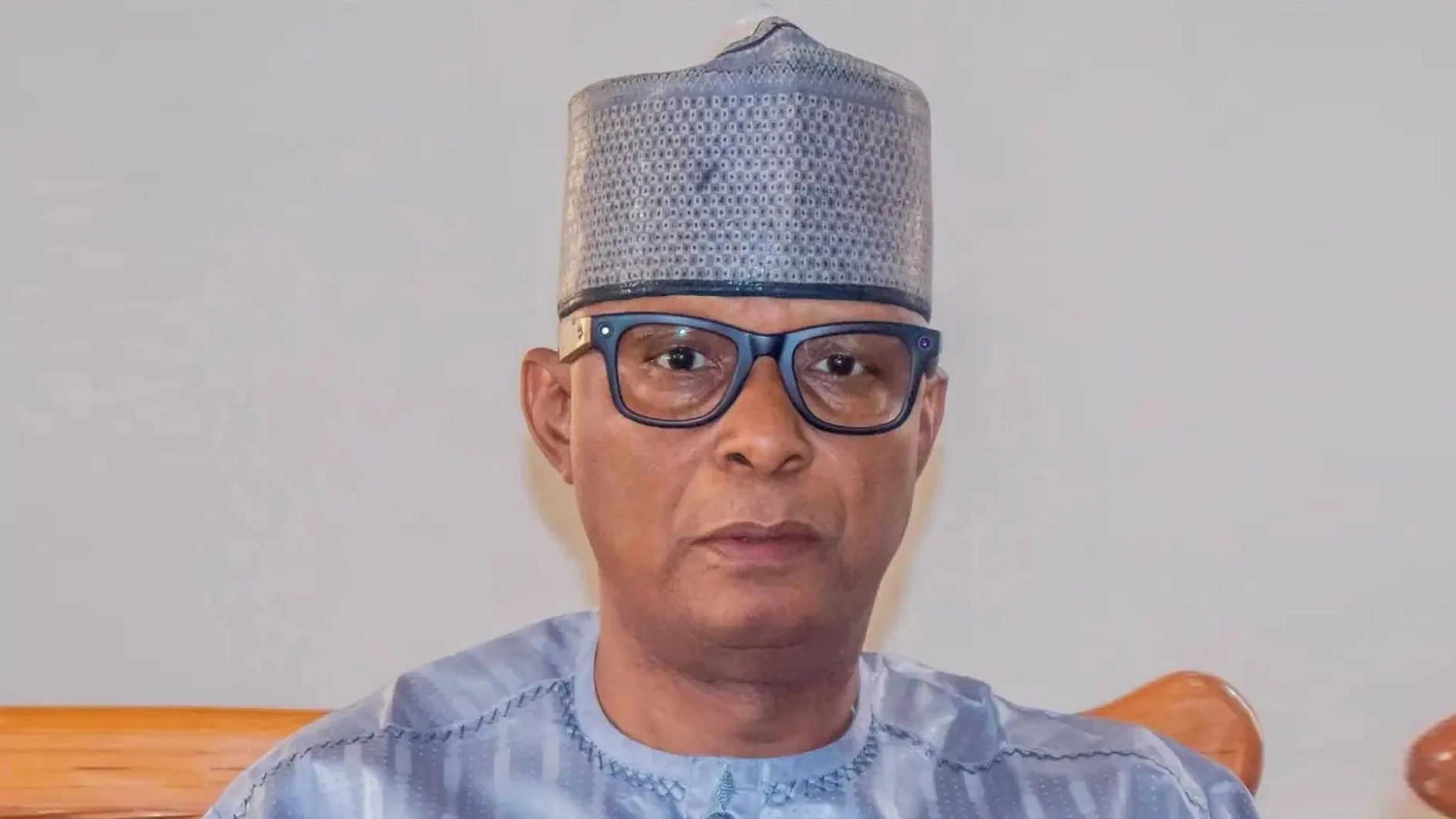
The Minister of Housing and Urban Development, Muttaqha Darma, has pledged to work towards a comprehensive review and implementation of Nigeria’s 1992 Urban and Regional Development Law, which has remained largely unimplemented for more than three decades.
Darma made the commitment during a courtesy visit by members of the Nigerian Institute of Town Planners (NITP), led by its President, Ogbonna Chime, to the ministry in Abuja.
The minister said the review would be carried out in collaboration with the Regional Development Ministry to ensure the law achieves full implementation and supports effective physical planning, urban renewal and sustainable development across the country.
He also reaffirmed the Federal Government’s commitment to transforming informal settlements into more dignified and liveable communities, describing urban renewal and slum upgrading as priorities of the current administration.
Darma identified several communities across the country requiring urgent intervention, including Makoko, Gishiri, and other informal settlements in Kano and Port Harcourt.
According to him, the ministry’s forthcoming urban development policy would prioritise the upgrading of such communities to improve living conditions and make them more habitable for residents.

On local content development, the minister reiterated the government’s commitment to engaging indigenous consultants for projects in the built environment sector, noting that the policy is aimed at boosting employment, strengthening local expertise and enhancing professional capacity.
“The ministry already trained individually about 2,000 of them to get skills in the built environment, and these young people are all over Nigeria applying what they learnt,” he said.
Speaking on manpower shortages within the ministry and the wider built environment sector, Darma urged professionals and public servants to embrace innovation and Artificial Intelligence (AI), stressing that technology would increasingly shape the future of work.
He noted that AI would not replace professionals who understand and effectively deploy technology, encouraging continuous learning and upskilling among practitioners.
Responding to requests for improved funding for professional bodies, the minister advised stakeholders to explore innovative approaches that would help sustain their operations and professional activities.
He also invited the institute to submit additional recommendations and technical input for consideration in the ministry’s forthcoming strategic development plan.
Earlier, Chime said the visit was aimed at formally welcoming the minister and reaffirming the institute’s readiness to support the ministry in achieving its mandate.
The NITP president appealed to the minister to sustain efforts towards the full implementation of the 1992 Urban and Regional Planning Law, describing it as critical to effective physical planning, orderly urban growth and sustainable development in Nigeria.
He also called for greater attention to urban development initiatives, increased engagement of indigenous town planning consultants for government projects, replacement of retired town planners and other built environment professionals in the ministry, as well as improved funding for regulatory bodies in the sector.
Chime further invited the minister to the institute’s 60th anniversary celebration and 57th International Conference scheduled to be held in Lagos in October this year.

