 Follow Us on Google News


 Follow Us on Google Discover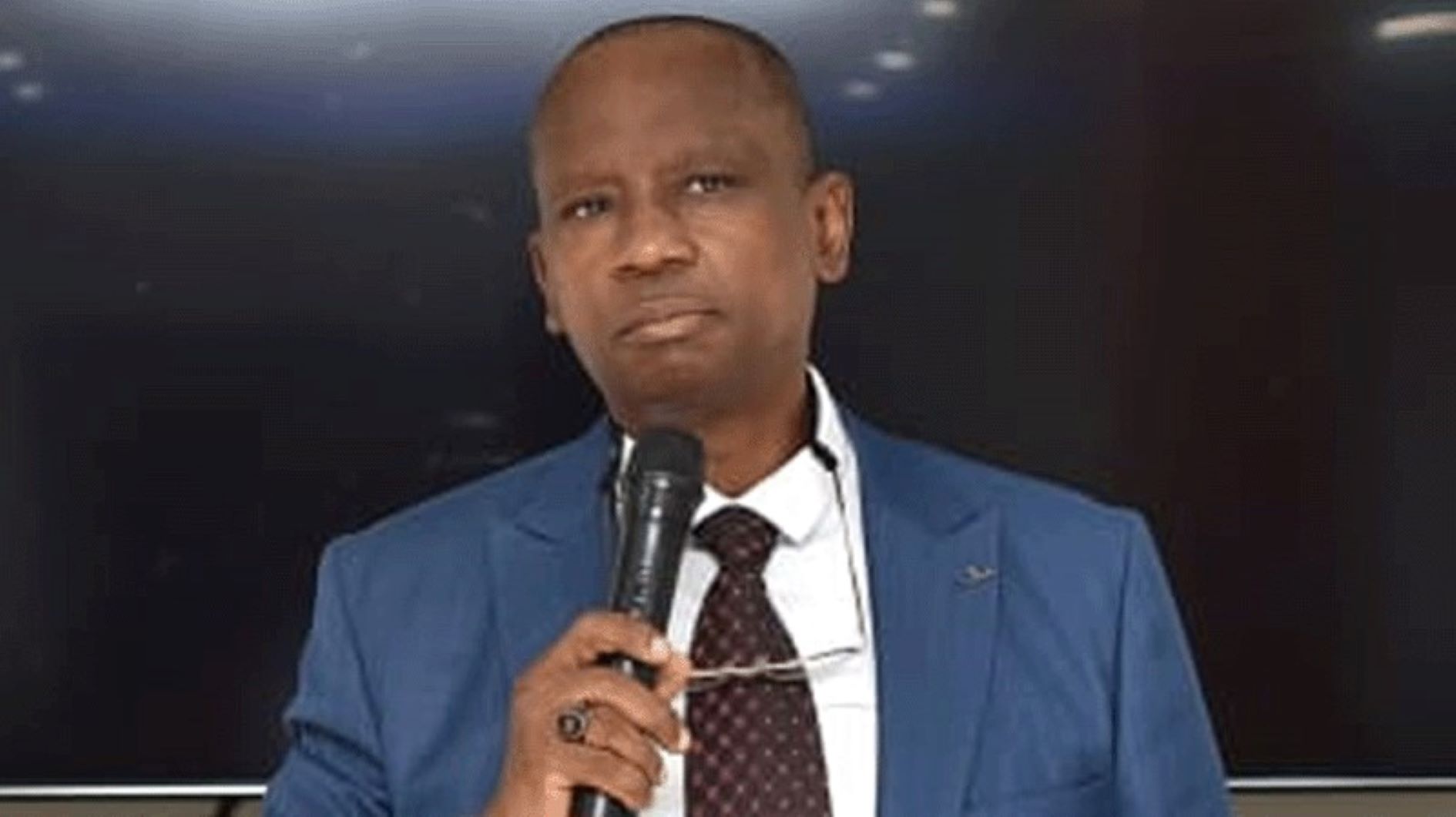
The Lagos State Government has reiterated its commitment to global best practices in urban planning and physical development as part of efforts to strengthen sustainable growth and improve the quality of life of residents.
Commissioner for Physical Planning and Urban Development, Oluyinka Olumide, disclosed this during the ministerial press briefing organised by the ministry to commemorate the seventh year of Governor Babajide Sanwo-Olu’s administration at the weekend.
Olumide said the ministry has advanced strategic planning collaborations and knowledge-sharing initiatives aimed at strengthening long-term regional planning and sustainable urban development across the state.
According to him, the implementation of the initiatives is expected to improve urban mobility, enhance infrastructure coordination, reduce environmental degradation and support socio-economic development.
He noted that the ministry intensified efforts to ensure that all physical development activities conform to approved planning standards and international urban management practices.
“To strengthen public confidence in physical planning administration, the government intensified mediation and conflict resolution mechanisms relating to development disputes and public complaints,” he said.

Olumide revealed that the ministry received a total of 987 petitions during the review period, out of which 399 were successfully resolved through mediation, 17 cases were removed through enforcement to compliance, and 52 properties were sealed. He added that 519 cases are still under investigation, representing a 47.76 per cent resolution rate.
He explained that the achievement has significantly reduced litigation burdens, minimised enforcement conflicts and strengthened public confidence in the ministry’s dispute resolution framework.
The commissioner further stated that the ministry prioritised data-driven planning approaches and the integration of technology into planning administration to support evidence-based decision-making, improved spatial coordination and efficient land-use management throughout the state.
According to him, the ministry also facilitated the provision of Right of Way (RoW) for strategic infrastructural projects across Lagos as part of efforts to support transportation improvement, road expansion and urban regeneration programmes.
“Through continuous monitoring and enforcement activities, the department contributed significantly towards reducing incidences of unregulated estate development and promoting safer, more organised and environmentally sustainable communities across Lagos State,” he said.
Olumide stressed that the ministry remains committed to sustaining participatory planning mechanisms that encourage inclusiveness, transparency and collaboration in policy formulation and implementation.
As part of strategic urban renewal initiatives, he disclosed that the Lagos State Informal Space Management Authority prepared action plans for the AIT Powerline High Tension Corridor, New Ojota–Opebi Link Bridge Emerging Space, Agric–Isawo Informal Urban Space, Itamaga–Elepe–Maya Corridor and Ogolonto–Ipakodo Corridor.
He explained that the interventions involved reconnaissance surveys, drone mapping, stakeholder engagements, data gathering, enforcement notices and the preparation of Action Area Plans aimed at preventing encroachment and improving physical orderliness.
The commissioner also disclosed that the government reconstituted the 14-man Lagos State Physical Planning and Building Control Appeals Committee to arbitrate disputes within the state’s physical and urban planning system.
According to him, the committee is expected to oversee regulatory activities and investigate professional misconduct within the urban planning sector.
Olumide assured residents that the ministry would continue to consolidate ongoing reforms, strengthen inter-agency collaboration and intensify development control activities towards ensuring orderly growth and sustainable urban development.
“The ministry remains resolute in supporting infrastructural development, environmental sustainability and economic growth through strategic physical planning initiatives that will improve the quality of life of residents and position Lagos State as a leading smart city in Africa,” he said.
The commissioner further revealed that Lagos has been assigned to lead the design of a master plan for the South-West region, while plans are underway to develop an integrated rail transit system across the region.
He also commended media professionals for their professionalism and commitment to factual reporting.
Earlier, Commissioner for Information and Strategy, Gbenga Omotoso, said the government considered it necessary to render an account of its stewardship in the physical planning sector to residents.
Omotoso noted that the state recorded remarkable progress toward achieving a sustainable, organised and more habitable Lagos.
He maintained that no society can achieve meaningful development without proper physical planning, stressing that Lagos has remained relatively organised despite being one of the smallest states in Nigeria by landmass.

