 Follow Us on Google News


 Follow Us on Google Discover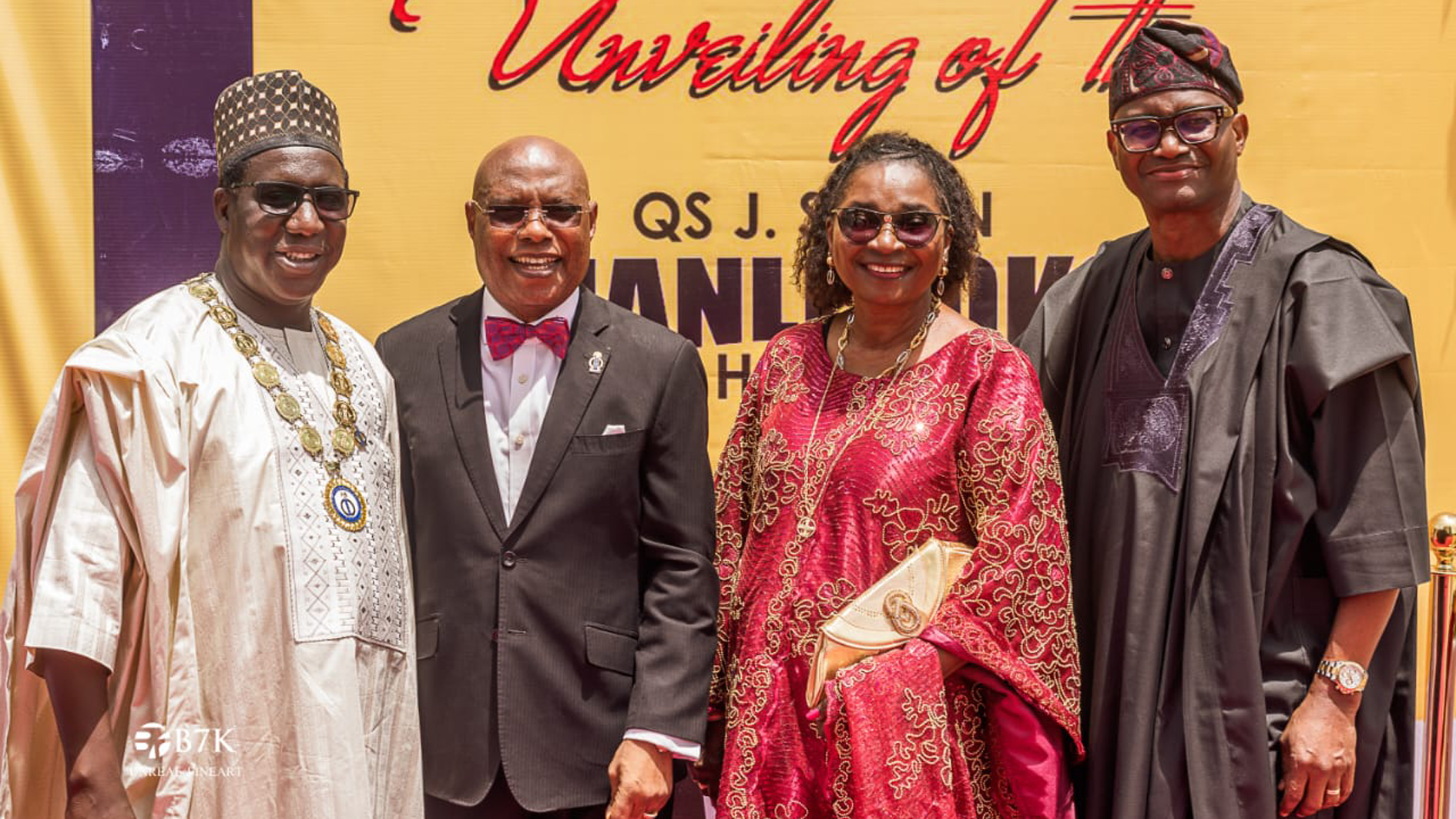
• As Ajanlekoko urges professionals to uphold excellence, leadership
The Nigerian Institute of Quantity Surveyors (NIQS) has called on the government to engage certified quantity surveyors in project procurement and contract management as a strategy to reduce construction costs in the country.
NIQS President, Dr Bashir Aminu, appealed at the naming ceremony of the NIQS Secretariat Building in Abuja in honour of former institute president, Mr Olusegun Ajanlekoko. He said members of the institute are continuously being trained in cost management for infrastructure projects.
Aminu described Ajanlekoko as an erudite and consummate professional who has mentored hundreds of quantity surveyors through his practice. The former Cross River State governor, Donald Duke, credited Ajanlekoko’s firm with saving about N3 billion during the construction of the Tinapa Resort project.
Duke, in his remarks, called for a stronger role for quantity surveyors in public finance, recommending that all Ministries, Departments and Agencies (MDAs) should set up units on cost control to approve budgets.
Also, Chairman of Family Homes Fund Limited, Demola Adebise, who chaired the occasion, said the role of quantity surveyors has become even more critical in ensuring cost discipline, transparency, and value delivery.
“In my current role supporting housing development initiatives, I have seen first-hand that sustainable delivery at scale is impossible without strong built environment professionals. The quantity surveyor is, in many ways, the conscience of a project,” he said.

Speaking in his acceptance speech, Ajanlekoko stressed the need to deploy registered professionals to achieve value for money in public and private projects. He urged practitioners to consistently pursue excellence and embrace responsible leadership throughout their careers.
“Excellence is not happenstance. It is not a one-off thing. It goes beyond skill, title or recognition; it is revealed in the intention behind the work,” he said. “When our actions are driven by sincerity, integrity and genuine service, excellence becomes more than performance; it becomes an offering.”
He added that excellence is built on trust, sustains legacy, and continues to speak even in the absence of the practitioner, urging young quantity surveyors to remain committed to integrity, discipline, and selfless service.
“This house is an attestation that no good work is lost,” he said, noting that he developed the institute’s secretariat in Victoria Island, Lagos, without personal gain, and was now being honoured with the Abuja recognition.
Ajanlekoko also emphasised that leadership must be grounded in service and character, rather than titles or wealth. “Leadership is not a walk in the park. It is earned, not demanded. It is selfless, often lonely, and requires exemplary conduct,” he said.
He further noted that leadership is defined by vision, consistency, and value creation. “Leadership is not about demanding loyalty; it is about adding value, lifting others and showing a path worth walking,” he added.
Reflecting on the honour, Ajanlekoko described the naming of the NIQS Abuja Secretariat, “QS J. Segun Ajanlekoko House,” as deeply humbling and unexpected. “I had a sleepless night, not out of excitement, but because I know such honours are usually given posthumously. I said to myself, ‘Segun, you must be alive to witness this,’” he said.
He paid tribute to past honourees and professionals whose contributions helped shape the institute, expressing hope that the building would stand as a symbol of excellence and innovation. Ajanlekoko urged professionals to maintain the highest standards, stressing the importance of quantity surveyors in the construction sector.
“You cannot kill the heartbeat of the construction industry,” he said. “This building must represent the profession’s readiness to take charge and deliver its responsibilities creditably.”

