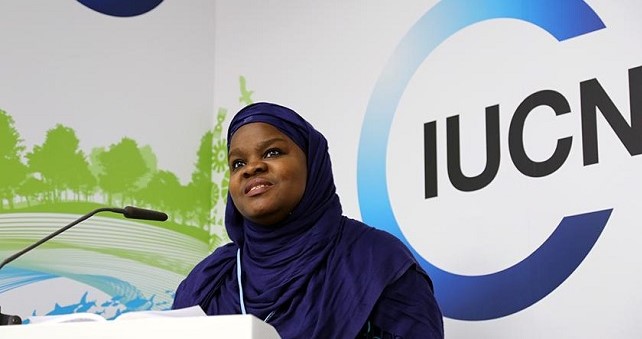
The Director-General of the Nigerian Conservation Foundation (NCF), Dr Joseph Onoja, has described the just-concluded COP30 climate summit in Belém, Brazil, as a defining moment in global climate action, marking a shift from prolonged negotiations to concrete implementation.
Speaking on the outcomes of the summit, Onoja said years of commitments and contested texts have now given way to an “era of implementation,” with climate finance emerging as the central driver of action, particularly for Africa.
He stressed that climate finance cannot be separated from adaptation and nature-based solutions, noting that while Africa contributes the least to global greenhouse gas emissions, it continues to bear a disproportionate share of climate impacts. According to him, finance is the “oxygen” of climate action, enabling countries to deploy nature-based solutions, the “lungs” that restore ecosystems while protecting livelihoods.
The choice of Belém, located at the edge of the Amazon rainforest, further reinforced this message. Forests and biodiversity featured prominently throughout the negotiations, culminating in the launch of the Tropical Forest Forever Facility, a mechanism designed to provide long-term financing for forest conservation. Onoja said the facility presents a significant opportunity for Nigeria, which still retains vast tropical forest ecosystems despite increasing pressure from deforestation.
He explained that Nigeria could align the new global facility with ongoing national initiatives, particularly the NCF-led Green Recovery Nigeria programme, which integrates habitat restoration, species conservation, and community development.
Despite these advances, COP30 did not deliver a definitive agreement on fossil fuel phase-out, as the final text relied largely on language carried over from COP28. However, Onoja said the lack of a rigid global pathway creates space rather than paralysis for Nigeria.
As a petro-state, he said Nigeria can now design a transition that is just, equitable, and locally driven. While gas remains central to the country’s energy transition strategy, he cautioned that its implementation must be carefully managed. He also warned that the global rush toward renewable energy should not create new environmental or social problems, particularly in biodiverse regions where critical minerals are mined.
Africa, he noted, entered COP30 united around demands for increased climate finance, especially for loss and damage, and largely achieved this objective. Clearer structures and financing pathways are now in place, but Onoja said the next challenge lies in Africa’s ability to present bankable, data-driven projects linked to development priorities.
To achieve this, he emphasised the importance of strong data systems supported by satellite imagery, remote sensing, and ground-level monitoring. In Nigeria, he said, efforts are already underway through the Capacity Building Transparency Initiative, being implemented by NCF in collaboration with the Federal Ministry of Environment, the National Council on Climate Change (NCCC), and international partners including UNDP, FAO, and the Global Environment Facility (GEF). The initiative is expected to strengthen greenhouse gas reporting across key sectors and improve national climate planning.
Nigeria is also positioning itself to benefit from emerging carbon markets. With the recent approval of the Nigerian Carbon Market Policy, Onoja said COP30 outcomes further strengthen the country’s ability to activate and scale carbon trading as a tool for climate finance and sustainable development. He added that Nigeria’s Nationally Determined Contributions (NDCs), biodiversity strategies, and adaptation plans must now be strengthened and better aligned.
Central to this effort, he said, is creating synergy among the three Rio Conventions: climate change, biodiversity, and land degradation, so progress in one area does not undermine another.
NCF, alongside private-sector partners, is mobilising businesses to support the implementation of Nigeria’s National Biodiversity Strategy and Action Plan, recognising the growing role of the private sector in climate resilience and environmental stewardship.
Beyond policy and finance, Onoja underscored that conservation must remain people-centred, noting that environmental protection is ultimately about human wellbeing. Through its grassroots programmes, NCF continues to translate global agreements into tangible benefits for communities across the country.
Reflecting on Nigeria’s performance at COP30, Onoja expressed cautious optimism, citing improved preparation and clearer national priorities among Nigerian negotiators. However, he stressed the need to further empower young negotiators to ensure that agreements reached at global forums are translated into action at home.