 Follow Us on Google News


 Follow Us on Google Discover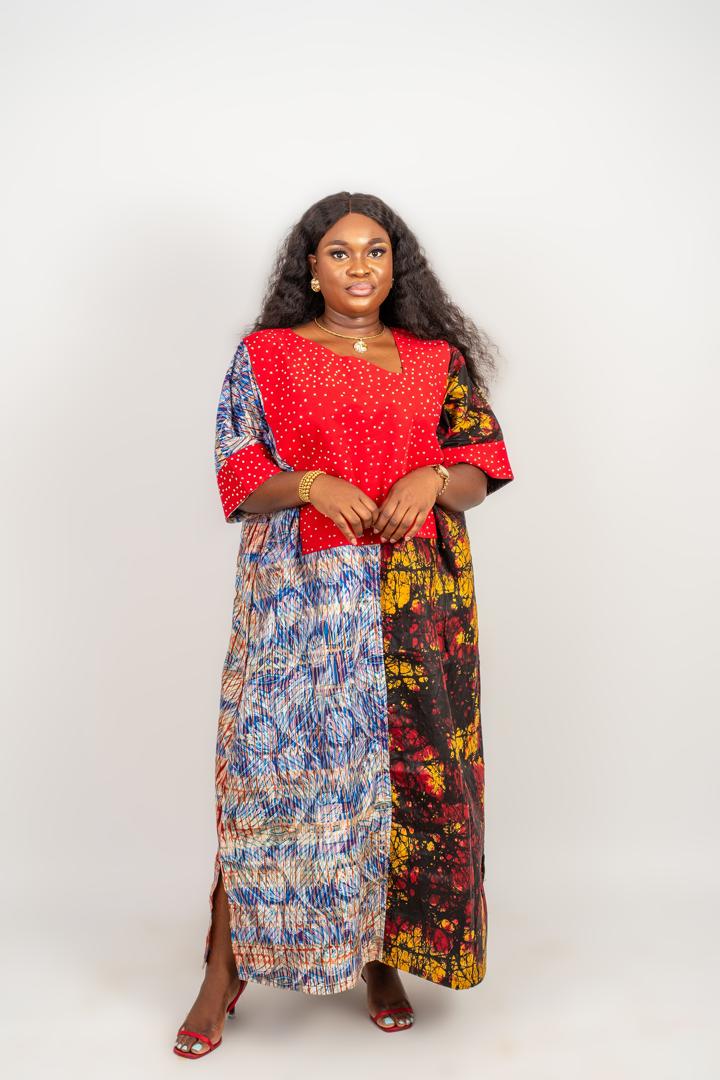
 There is a saying that goes “What a man can do a woman can do better”. Though this saying had a different meaning initially, it is now used to promote women’s prowess.
This is because, once upon a time, women were limited to being caretakers, but as time passed, so did the ideology. The ‘feminism’ drive came in, and slowly, they began to evolve from the phase of just being caretakers and just like fashion, we agree that balance is key.
Fashion through the inputs of designers has been able to support equality with the different designs that have been created over time. One of the many clothing lines that have impacted this campaign is the Damichi Exoche brand with its 2021 collection.
[ad]
Damichi is a brand that was established in 2019 by Oluwadamilola Odulaja. This clothing line is dedicated to a sustainable future by carefully selecting long-lasting fabrics and using small-batch sourcing to ensure quality and prevent overproduction. They have also succeeded in partnering with printers that have OEKO-Tex Standard 100 certification which has helped them ensure that their textiles are free from harmful chemicals.
The brand is mostly recognised for its exotic Damichi Exoche prints which include Adire, Ankara, soft silks, and ethereal chiffons that form flowing silhouettes. It has further gained acknowledgement in different publications and also through its expansion to over 30 countries in the world.
Through resilient efforts and dedication, Damichi has produced multiple single wears and collections since its launch in 2019. One of its latest productions is Damichi’s 2021 collection, the ‘Feel Fly’ collection. This collection consists of three attires that would have you feeling fashionable, cool and confident.
 The first dress in Damichi’s collection will successfully change you from the Boubou era to becoming a Bou-Bae. It brings out your inner beauty and makes it outshine the original version of the piece. This automatically turns you into a Bou-Bae—a classy, regal, and chic lady.

The fit is a Boubou gown made from a combination of two exotic fabrics. The production of this type of gown itself is a testament to the fact that true fashion is an advocate for equality. The boubou gown developed from an African Nigerian attire known as agbada. The invention was quite the catch along the line, women began to show liking toward the design. Fashion saw this need and solved it without shunning it because it had been initially made for men. The solution it offered women came in the form of refined dresses such as kaftan and boubou gowns. To date, these kinds of dresses are highly favoured by women not just in Nigeria but also all over the world.
This attire was created through the fusion of two fabrics namely Adire and Aso-oke. The piece is a complete set of a gown and a head wrap. The gown has a double-layer neckline, bracelet sleeve, perforated stoning, and rippled sides. The double-layer neckline of the fit was achieved through the use of the two main fabrics stated above. The Adire was used as the base with a square neckline, while the Aso-oke was placed as a layer on top of the Adire adding a v-neckline to the preexisting one. The bracelet sleeve is the three-quarter length sleeve given to the outfit. This part of the dress is also made using the Adire as the main fabric and adding a sprinkle of red Asoke material at the hem of the sleeve.
The perforated stoning is the tiny mouth openings done on the Aso-oke that is used as some kind of embroidery at the chest area. This stoning also appeared at the hem of the sleeves. Lastly, the ripple side comes as a result of the agbada recreational look. In this area, you will find the extra fabric flowing down in ripples, a replica of those found in Agbada. To close this fit up is a head wrap which you can decide to wear or not to depending on your styling sense.
The second dress is also a Boubou gown like the first, however, it is different in a lot of ways.
Three fabrics were used to create this look—a Kampala, printed Adire and crepe. This outfit starts with an asymmetric neckline but unlike other dresses with such necklines, this one wasn’t created to make this fit mono-strap. Instead, it was made to look like a side v-neckline set at an angle of 90. Then the apparel takes on a kimono bracelet sleeve which is a wide and free sleeve that stops at the elbow and the hem of it was created with a small inclusion of the red crepe material. This crepe fabric was also infused as a design at the upper part of the fit which could pass off in place of an embroidery. This part is fully stoned, as well as the other parts where the crepe is used. Lastly, two side slits of about 4 inches were included at the lower end of the attire and because the dress is intentionally living made with excess width, it doesn’t hold a zipper, as it could be easily worn without trouble.
The exceptionality of this piece is seen in the fabric combination which gives the cloth a double look like a ‘two-faced’ dress. People looking from different sides of the dress would assume that each side holds the main appearance. This resonates with that saying that goes “Keep them wondering”
The Damichi’s 2021 collection came to a close with a simple statement. This third piece is a colourful simple dress made with an Ankara fabric. The splash of varying colours is the first thing. That catches your eye when you look at this fit. It looks like a canvas splashed with multiple colours of paint. The outfits exude brightness and happiness.
This final piece is a mini-draped dress with a cap sleeve and a v-neckline. The neckline of this dress is lined with glittering stones and the cap sleeve also known as a short sleeve is one of the designs put into this wear. Some might want to argue the fact that this dress is a maxi dress and others might want to say it is a midi dress, we, however, pointed it out to be a mini dress because the main fabric for the dress stopped above the knee length and what’s runs down from there is drape. The drape on another hand, is quite different from the conventional types. It’s a wall mat drape that was initially created for house entrances or entrances in general. You might have come across some entrances with this kind of drape as a covering or an illusion of privacy. Anyways, this feature found its way to fashion and is now one of the most used materials in building the aesthetics of dresses or garments both in Africa and around the globe.
[ad]

