 Follow Us on Google News


 Follow Us on Google Discover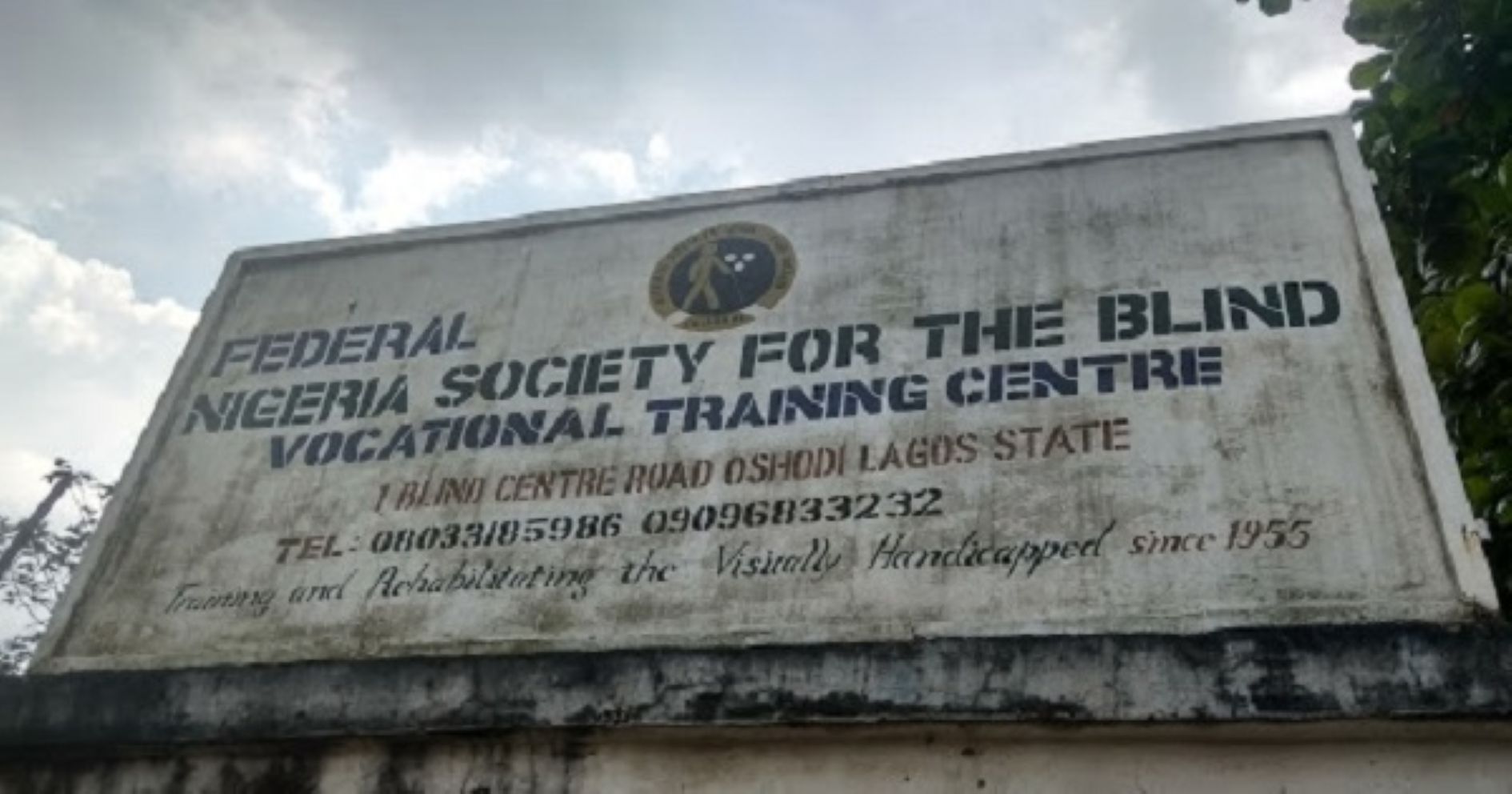
Stronger partnerships, expanded access, improved governance and measurable outcomes for visually impaired persons took centre stage at the 2026 leadership retreat of the Federal Nigeria Society for the Blind (FNSB) held recently in Lagos.
The annual gathering brought together governing council members, management, partners and other stakeholders to assess institutional performance and outline a strategic direction for the Society from 2026 to 2030.
In her keynote address, Chairman of the Executive Council, Mrs. Arit Tunde-Imoyo, unveiled a bold roadmap anchored on expanded access to services, diversified funding, stronger governance frameworks and improved long-term outcomes for beneficiaries.
She described the retreat as a defining moment in the Society’s over 70-year history, urging stakeholders to shift focus from longevity to relevance in a rapidly changing environment.
On funding and sustainability, the chairman cautioned against overreliance on a limited donor base, calling for structured engagement with federal, state governments, and long-term partners
She proposed the establishment of a robust After-Care Programme to support graduates, partnerships with technology firms to expand employment opportunities, the digitisation of the Society’s library into an assistive technology-enabled learning hub, and the deployment of data systems to track graduate employment and long-term impact.

She called for a comprehensive review of the Society’s governance architecture, including its Board Constitution and committee structures, to ensure alignment with its strategic ambitions.
In her presentation, Chairman of the Board of Governors, FNSB Vocational Training Centre (VTC), Mrs. Ayopeju Njideaka, provided an overview of the Centre’s current position and presented a SWOT analysis prepared by management.
According to her, the Society continues to challenge the perception that blindness signals the end of productivity, promoting instead the idea that visual impairment represents “another way of living life,” supported by rehabilitation and re-skilling.
Njideaka emphasised the need for curriculum updates, ICT upgrades, structured staff capacity building, entrepreneurship and the integration of emerging technologies such as artificial intelligence into training programmes.

