 Follow Us on Google News


 Follow Us on Google Discover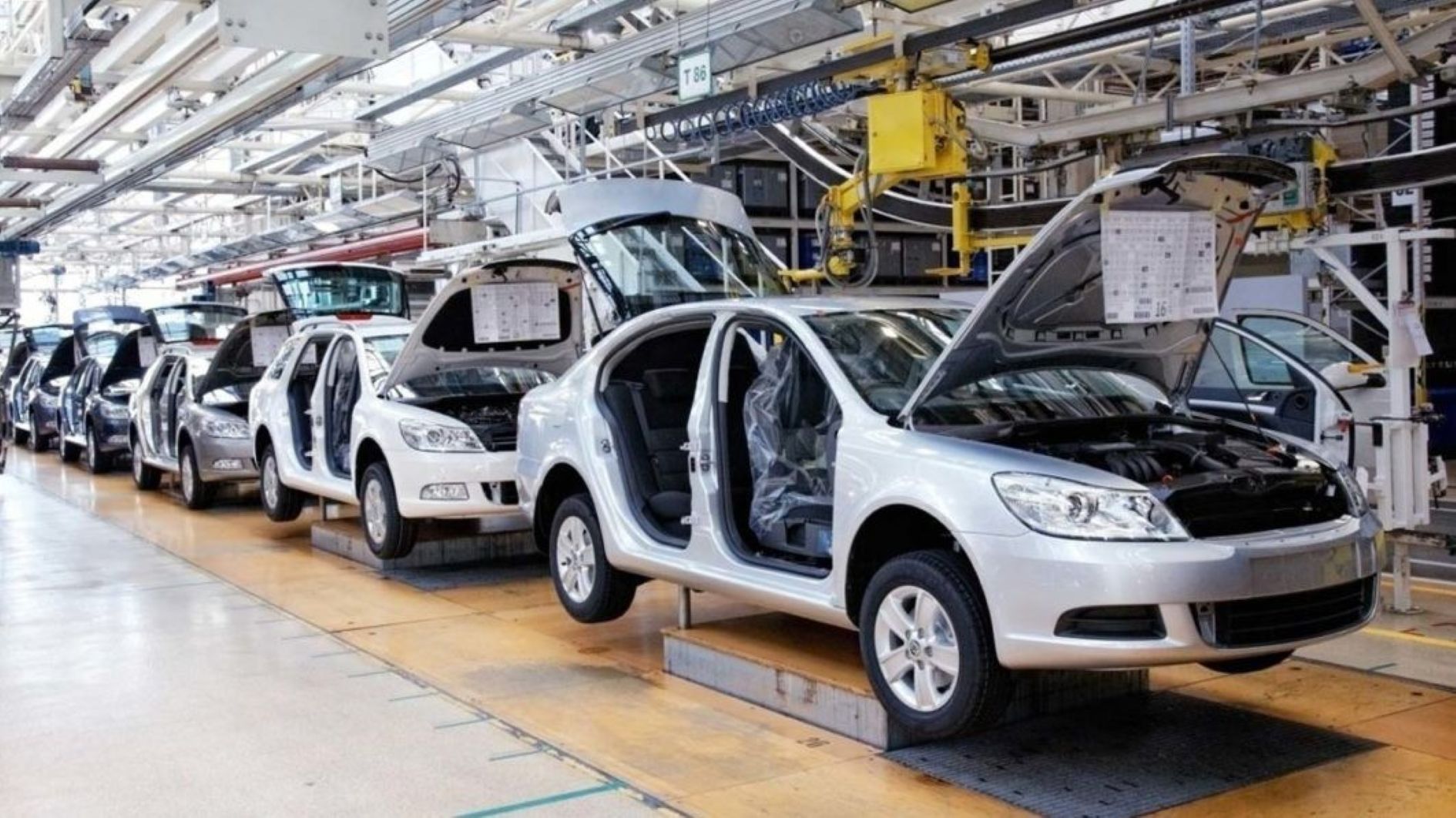
The Nigerian Automotive Manufacturers Association (NAMA) has urged the federal government to complement its 2026 fiscal policy reforms with stronger industrial safeguards.
The association warned that the country’s automotive manufacturing sector could suffer if tariff liberalisation was implemented without adequate protection for local vehicle assemblers.
In a position paper submitted to the Minister of Industry, Trade and Investment, Dr Jumoke Oduwole, and copied to the National Automotive Design and Development Council (NADDC), the association argued that while the new fiscal measures promote trade liberalisation, they fall short of providing the support needed to sustain investments in local vehicle assembly and component manufacturing.
Signed by its Chairman, Bawo Omagbitse, and Executive Director, Dr Harpreet Singh, the paper commended the Federal Government’s efforts to align Nigeria’s trade policies with the ECOWAS Common External Tariff and the African Continental Free Trade Area (AfCFTA).
It also welcomed incentives for locally-manufactured vehicles, the End-of-Life Vehicle Policy and the Vehicle Conformity Assessment Programme.
However, the association expressed concern that the reduced duty gap between imported fully built vehicles and locally assembled models could undermine years of investment aimed at building Nigeria’s automotive manufacturing base.

According to Omagbitse, affordability for consumers and protection of investments that create jobs should go hand in hand.
“Nigeria’s automotive industry is still at an infant to intermediate stage. Affordability for buyers and protection for the investment that creates jobs are not in conflict, and our appeal is that the two move together,” he said.
Backing its concerns with official Nigerian Ports Authority (NPA) data, NAMA noted that vehicle imports increased by 67 per cent year-on-year, rising from 35,262 units in the first quarter of 2025 to 58,870 units during the same period in 2026.
The association believes the surge reflected importers’ positioning ahead of lower duties on fully built vehicles.
It warned that further liberalisation without complementary industrial policies could increase dependence on imported vehicles, reduce local assembly volumes, weaken capacity utilisation and discourage investments in assembly plants as well as local production of automotive components such as tyres, batteries, plastics and glass.
Singh said NAMA supported the government’s objectives of improving vehicle affordability, enhancing revenue generation and promoting regional trade integration, but stressed that these goals should be implemented alongside measures that strengthen domestic manufacturing.
“Our request is simply that these gains be sequenced with the industrial incentives that every successful automotive economy put in place before opening its market,” he said.
The association cited countries, including Thailand, Morocco, South Africa and China, as examples of nations that first developed their automotive industries through production incentives, supplier development programmes and infrastructure support before opening their markets to greater competition.
Reviewing Nigeria’s automotive policy between 2014 and 2020, NAMA acknowledged that localisation and manufacturing capacity remained below expectations, attributing the situation largely to the absence of legislation backing the Nigeria Automotive Industry Development Plan (NAIDP) and the lack of long-term policy certainty for investors.
To strengthen the sector, the association recommended restoring a wider tariff differential between imported fully built vehicles and locally assembled models, making consultations with NADDC and the Ministry of Industry mandatory before future automotive fiscal policy changes, and expediting the passage of the NAIDP into law.
It also called for production-linked incentives, the establishment of an automotive supplier development fund, priority foreign exchange access for industrial inputs, and dedicated energy and logistics support for vehicle manufacturers.

