 Follow Us on Google News


 Follow Us on Google Discover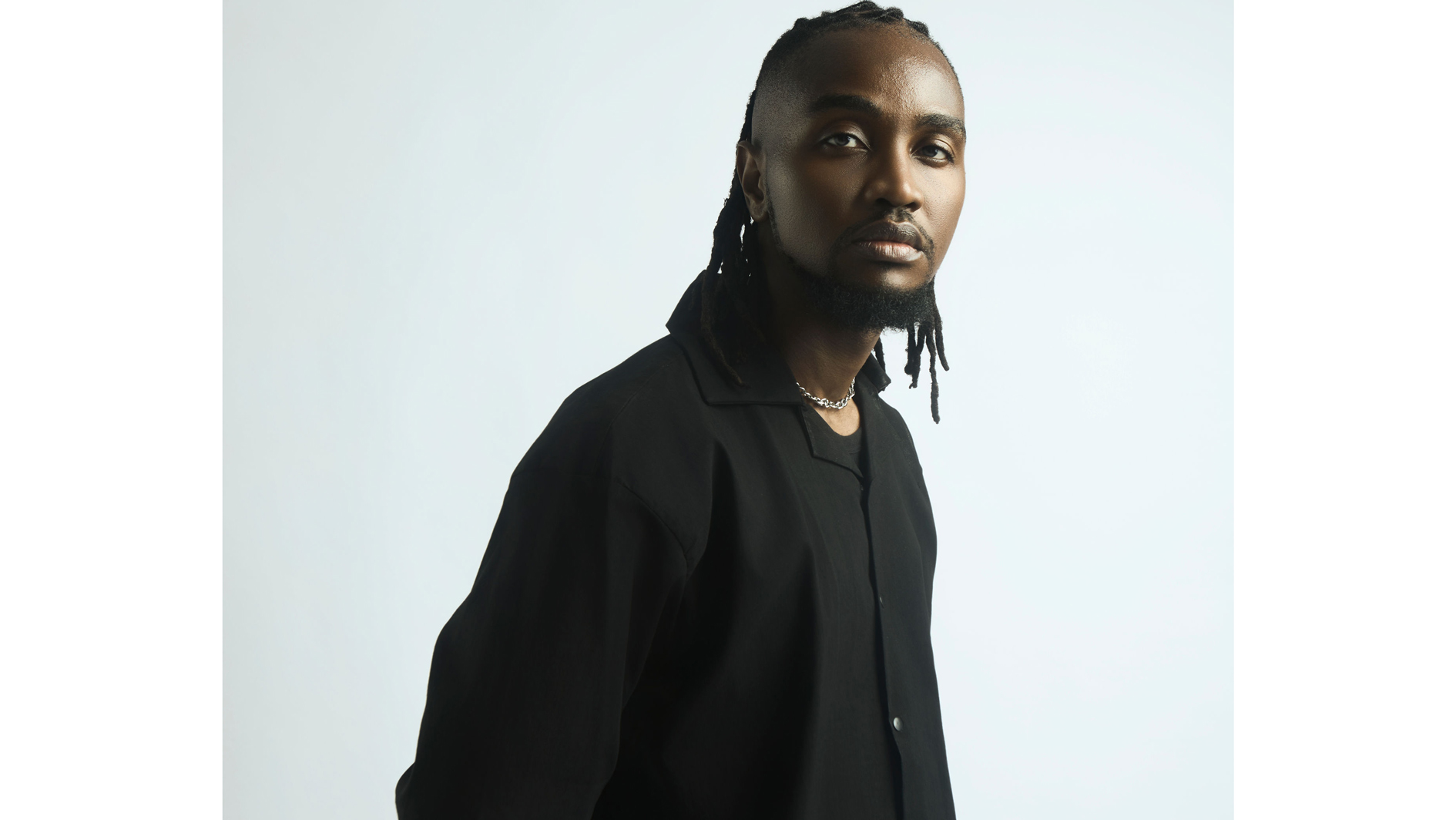
Angeloh’s recent album, Love Child The Album, arrives as a comforting reminder of his grandeur. Known for his deeply charismatic Afro-fusion gospel catalogue, the 7-tracker spins as a wholesome and inclusive experience that feels like a slight drift from his strictly gospel terrain into a buffet of intimate storytelling and emotional vulnerability.
“Me I go love you to the moon and back/ Me I go love you when e no make sense/ Shey you go ride for me?/ Would you slow down and ride with me? Promise you would do me je-je/ Take it easy on my heart baby,” he opens the album with the soothing emo-pop record, “Jeje (with Waje)”. The song, which samples Paul Play’s 2004 classic, “Love Me Jeje”, sets the tone for the entire album, with its cheeky-but-witty lyrics and the astounding mesh of vocal registers that charges the song. Waje’s piercing octaves heightens the overall message of the song, boosting it with lyrical emphasis and a distinct groove.
Across Love Child The Album, Angeloh seems to understand the formula for evergreen collaborations. The second track, “Shugah” combines his heartfelt highlife/folk RnB singing with Greatman Takit’s highlife/Fuji-toned delivery into a culturally resonant tune. Elsewhere across the album, like on the track “Something Good”, Angeloh revisits these indigenous soundscapes, purging the album with a vivid Nigerian undertone. Extra points goes to the bass guitars, soothing choral chorus, and call-and-response that textures the record with a dancey and memorable groove.
By the third track, “Baby (with Tobi Toun)”, the album shifts broader into its pop/Hip Hop territory. Angeloh’s exciting use of Nigerian Pidgin and slang complements Tobi Toun’s sleek slow-paced English bars, as both acts gush over a significant other. With this tonal shift, Angeloh’s love capsules on Love Child The Album feels very harmonic and melodically cohesive, with ample shock value. He brings back this Hip Hop alto in “Thank God For You (with Still Shadey)”, mirroring that Ladipoe-style/Dave-coded energy that amplifies most RnB/Hip Hop duets.
Eventually, the record drifts back into its highlife/folk-esque standpoint, with Gaise Baba and Ko’rale delivering some Igbo and Yoruba highlife groove in “Something Good”. It’s a classic anthemic spin that slows down tension, while allowing the allure of its chord sections, spoken word interludes and choral choruses to colour the groove with enjoyability.
The remaining three songs, “Feels Good (with Naffymar)”, “For You”, and “Thank God For You”, are an exciting triple threat finisher for the album. Mixing jazzy progressions, with soul (“Feels Good”), RnB (“For You”), and Disco-pop (“Thank God For You”), the outro rings like an extended conversation where the language is a slow-burn, definitive melody with strong hooks. They pack the most profound lyrics; for instance, where he says “In my lifetime of many wrongs/ After God, na only you I choose right,” in “Thank God For You”; ensuring the lyrics not only sound heartfelt, but actually convincing.

More importantly, Love Child The Album works because Angeloh succeeds in weaving romance in the same pattern with conviction. He frames love as something tender, funny, uncertain, spiritual and deeply human. On songs like “Jeje,” “Shugah,” “Baby” and “Something Good,” he explores desire, emotional caution, commitment and companionship, without it feeling morally performative or preachy. This is where the album’s strongest cultural value sits: it is proof that love songs can still carry depth and spiritual clarity while remaining playful, contemporary and emotionally direct.
Overall, as a scenic leader Angeloh’s outing on Love Child The Album brims with a distinct energy and emotional duality, one that’s quite rare within the gospel music scene. Its tracklisting takes one on a voyage of soothing, introspective and culturally charged sonics, generally elevating the record into a separate plane where it’s not exactly secular, and it’s also not exactly gospel. Its slur-free, soulful, witty and catchy lyricism also stand out as some of the album’s strongest pleasure points. But, the icing on the cake for this record turns out to be its delivery, sprawling with expert singing and arrangement techniques that keep it vibrant, charismatic, cathartic and evergreen. It sits comfortably at 8/10.
Born Angelo Anosike, Angeloh is a Nigerian music artist, visual artist and culture shaper whose work bridges Afrogospel, R&B, Afrosoul and hip-hop. Born to artistic parents and shaped by years of living across diverse social, cultural and religious environments, he creates from an expansive worldview rooted in faith, love and lived experience. His growing catalogue includes collaborations with TY Bello, Waje, The Cavemen, Limoblaze and Gaise Baba, as well as soundtrack placements in Netflix and Nollywood productions, including Obara’m and What About Us?, earning him two AMVCA nominations for Best Soundtrack in 2023. Beyond music, Angeloh’s creative footprint extends into visual art, animation, events production and cultural storytelling, from illustrated campaigns and cover art to live experiences such as Bae or No Bae Show, Aramanda and Rockfest.

