 Follow Us on Google News


 Follow Us on Google Discover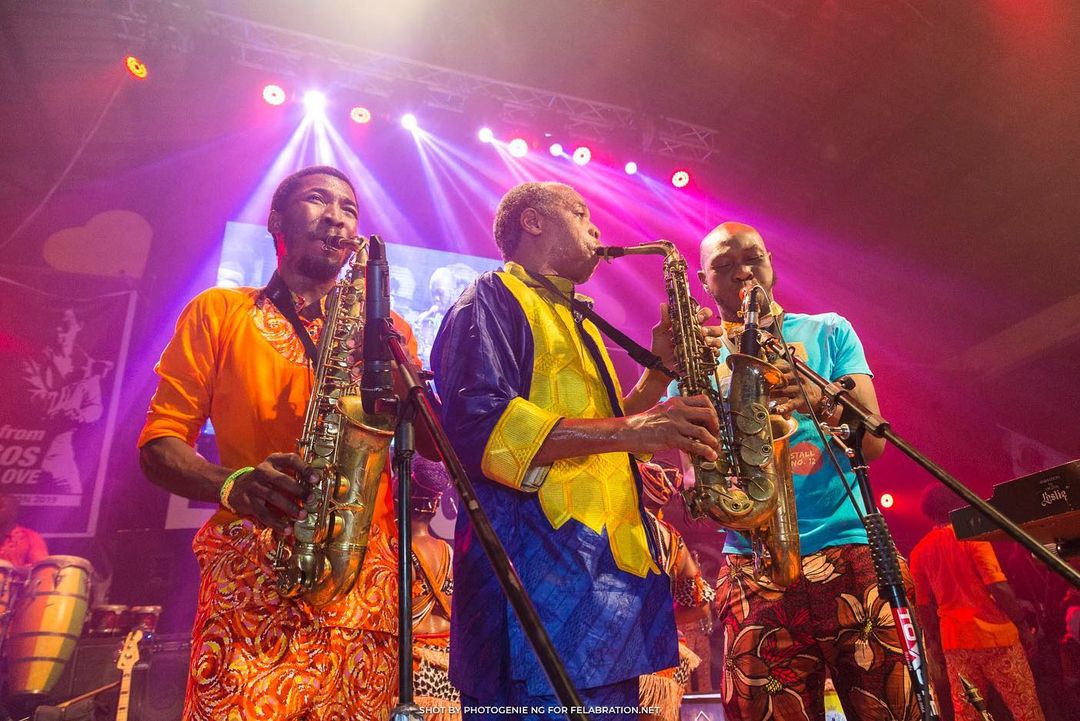
In numerous African cultures, notably in the West, oratory is revered as a sacred practice, and griots — poets, musicians, and storytellers who preserve oral histories — bear this responsibility with honour. As virtuosos of expression, they hold the esteemed titles of oral historians, poets, musicians, and genealogists who safeguard knowledge, relay histories, and offer social critiques through their lyrical storytelling.
Griots go beyond mere narratives; they serve as educators, enlightening the younger generation about their ancestral culture, values, and societal norms. Their unique talent in blending history with ethical teachings cements their role as vital agents in fostering communal harmony.
Regarded as possessing exceptional spiritual, social, and political connections, the words of griots are believed to possess transformative potential, capable of shaping societies, healing rifts, and invoking ancestral blessings.
Transcending their West African roots, the griot tradition has significantly impacted global culture, especially within the African diaspora. The dynamic storytelling and rhythmic narratives of griots are widely acknowledged as precursors to contemporary hip-hop and spoken-word art.
In Nigeria, Afrobeat progenitor, Olufela Oludotun Anikulapo Kuti, known as Fela Kuti, along with his descendants—Femi, Seun, and grandson Made—as well as notable rappers like Eedris Abdulkareem and Ruggedman, draw intricate connections between their artistry and the griot’s role as a cultural commentator and storyteller.
The Kuti family embodies more than musicianship; they epitomise griots of fire and prophets of rhythm.

Their musical legacies serve as a powerful reminder that sounds can inspire revolutions and ignite consciences. Through their art, they invoke the spirit of resistance, prophecy, and catharsis, steeped in fire and rhythm. Their works are living testaments to the transformative energy of music and activism.
Born on October 15, 1938, into a lineage of anti-colonial warriors, Fela’s formative years were marked by profound intellectual pursuits and a robust connection to his Yoruba ancestry. His father, Reverend Israel Ransome-Kuti, was an Anglican priest, while his mother, Funmilayo Ransome-Kuti, was a celebrated feminist, educator, and labour activist.
Fela’s musical odyssey commenced at Trinity College London in 1959, where he initially sought to study medicine but became fervently enthralled with music. During his time in London, he immersed himself in a variety of musical genres, playing the piano in jazz and rock bands.
In 1961, he founded Koola Lobitos, his inaugural band, quickly cementing his presence in the London nightlife. Upon returning to Nigeria in 1963, he reformed the band into Africa 70, and subsequently, Egypt 80.
It was from these innovative experiments that the Afrobeat sound emerged, blending traditional Yoruba melodies with American funk, jazz, and soul to create a vibrant and transformative musical style that would influence countless future artistes.
Inspired by political figures like Malcolm X and the Black Panthers, Fela’s music evolved to embrace political themes. As a griot, he called for social transformation through antiphonal hits like Zombie, Monkey Banana, Beasts of No Nation, and Upside Down.
These audacious compositions frowned upon the oppressive actions of Nigeria’s military junta, prompting repeated raids on his independent Kalakuta Republic in search of grounds to silence him. A military raid in 1977 resulted in his brief imprisonment and led to the tragic passing of his mother the following year from a fall’s complications.
Fela’s music transcended mere entertainment; it functioned as a formidable vehicle for social critique. He articulated themes of corruption, mismanagement, bad governance, and the struggles of ordinary Nigerians, earning him the moniker ‘Griot of Fire.’
His influence extends well beyond music; he emerged as a prophet of rhythm, wielding his craft to champion social change. Fela’s dedication to activism and justice continues to resonate with new artistes, activists, including his children—Femi and Seun.
Growing up in a family that freely expresses emotions; the Kuti sons have harnessed music as a powerful tool for resistance and social awareness. They are living embodiments of their father’s philosophical legacy as griots of fire and heralds of rhythm, consistently championing the narrative of rightful change.
Having been immersed in Afrobeat since childhood, both Femi and Seun find that the genre plays a crucial role in their activism, retelling the stories of the Nigerian populace, embracing their cultures, aspirations, and dreams.
As the frontman of The Positive Force, Femi remains a staunch advocate within Nigerian music, wielding his artistry as an instrument for good; promoting justice for the underprivileged and combating societal inequities.
Known for his raw tenacity and unabashed lyrics addressing corruption, inequality, and justice, Seun, as the torchbearer for his father’s band, Egypt 80, has emerged as a formidable voice in the Nigerian music scene. He leverages his music, social platforms, and radio shows to advocate against societal injustices, inspiring and galvanising his audience.
His melodies provoke thought, evoke feelings, and liberate, honouring his father’s legacy. With his saxophone in hand, he crafts narratives of defiance and renewal, firmly positioning himself as a custodian of Fela’s music and the Kuti cultural heritage.
As Fela’s grandson, Made represents the future of Afrobeat. With his band, The Movement, he infuses traditional sounds with contemporary flair, forging an innovative style that is both reflective and revolutionary. His music directly confronts pressing topics, including corruption, police brutality, and social disparity.
As griots of fire and prophets of rhythm, Femi, Seun, and Made harness the transcendent force of music to challenge entrenched power structures, champion social equity, and celebrate African heritage.
The Kutis do not just entertain through their melodies; they also educate, mobilise, and empower their audience to create positive change. Through their music, they illustrate the profound impact of art on culture, challenging social conventions while nurturing unity and self-expression.

