 Follow Us on Google News


 Follow Us on Google Discover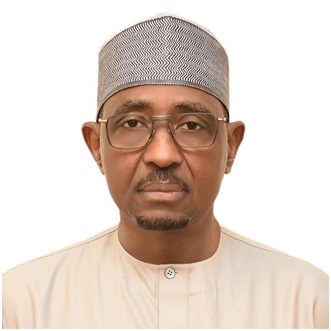
Integrity is one of the top attributes of a great leader. It is a concept of consistency of actions, values, methods, measures, principles, expectations and outcomes. It connotes a deep commitment to do the right thing for the right reason, regardless of the circumstances. Without it, no real success is possible, thus, it is an important virtue that is expected to be demonstrated at all times by everyone in leadership positions.
Integrity in leadership demands that every leader must walk their talk because they must be intrinsically motivated; this is why people who live with integrity are incorruptible and incapable of breaking the trust reposed on them. However, failure to walk the talk has led to the fall of many leaders which has consequently reflected on the image of their followers and brought the institutions or organizations they represent into disrepute.
Aside being blessed with abundant natural resources, Nigeria as a nation is equally blessed with credible and inspiring leaders who have etched their names in the sand of time. These are men and women of honour who have remained resolute in going about their businesses with the utmost integrity by paying strict adherence to moral and ethical standards.
“Leading with Integrity: Engr. Farouk Ahmed’s vision for NMDPRA”

Midstream and Downstream Petroleum Regulatory Authority, is a dynamic administrator with disruptive ideas and managerial competence, a leader whose professional engagements have provided innovative solutions to complex business challenges in the Oil sector and Nigeria as a whole.
He holds a degree in engineering technology from the Southern Illinois University Carbondale, USA and attended several top Executive and leadership programmes in the course of his career.
The extensive professional achievements of Mr. Farouk spans through successful career undertakings starting with practicing as a Logic Board Verification Engineer at Apple Computer Inc. (later called Apple Inc.), in Dallas, Texas, and progressing to cover broad managerial and leadership positions that he occupied in the oil and gas Industry, including; Senior Crude Oil Trader–Duke OilInc.;Manager–Crude Oil Export Programming and Nominations, Shipping and Terminals (Crude Oil Marketing Division-NNPC);Executive Director-Commercial–Petroleum Products Marketing Company (PPMC);Managing Director–NiDAS Marine Limited;Executive Secretary–Petroleum Products Pricing Regulatory Authority (PPPRA);Managing Director–PPMC;Special Adviser (Downstream) to the GMD-NNPC.
He is a Fellow of the Nigerian Society of Engineers (NSE); Member of Society of Petroleum Engineers (SPE), Member of the Institute of Electrical and Electronics Engineers (IEEE-USA) and a Registered Member of the Council for the Regulation of Engineering in Nigeria (COREN).
Engr. Farouk is a passionate leader that is actively fostering the development of robust midstream and downstream petroleum sector in Nigeria through the optimal implementation of the PIA and the application of strong corporate governance principles.He spoke about his passion for integrity and excellence, innovation and challenges, among other pertinent issues. Excerpt…
It is often argued that one of the challenges facing Nigeria has to do with Leadership, what is your take on this?
Leadership that creates enduring value must ensure that it guarantees the optimal performance of carefully articulated common visions, goals, and leads with empathy, transparency, equity, integrity, and accountability. Nigeria has always had leaders that provide governance through the use applicable instruments such as our constitution, policies and strategies, programmes and various projects. The current leadership of Nigeria headed by His Excellency President Ahmed Bola Tinubu is leading the nation through turbulent times with strategies and commitments that are focused on developing renewed hope for the nation.
[ad]
What innovations would you say have impacted the running of NMDPRA over the years?
Nigeria Midstream and Downstream Petroleum Regulatory Authority (NMDPRA) is the leading regulatory institution of the midstream and downstream sectors of the Nigerian Oil and Gas Industry. It was established through in 2021 and operates under the governing legislation of the Petroleum Industry Act (PIA) which was passed into law on the 16th of August 2021 by the then President, Muhammad Buhari. The creation of the NMDPRA was strategic for the accelerated development of the midstream sector to complement and augment the overall performance of the industry which has hitherto operated as upstream and downstream.Our midstream sector is experiencing transformational growth through the implementation of the sector-focused policies that we are executing for the provision of enabling regulatory frameworks that supports investment in our Midstream gas and petroleum liquid operations. The domestic refining capacity of Nigeria is growing to a level that will make us to become net exporter of all primary energy fuels in the next few years because of the focused regulatory drive given to the midstream sector. As it is today, Nigeria almost does not need to import some of the Petroleum Products are already produced in sufficiency quantities and qualities to meet our national demand.
What will you describe as the greatest passion that has brought you this far in your career?
I have enjoyed several levels of support and development in the over 35 years of my career in the Oil and Gas Industry in Nigeria. Because the Industry has an extensive scope of operation which spans through the Upstream, Midstream and Downstream core sectors and allied Industries, I had to naturally develop a passion for continuously learning during my career years and even now as the Chief Operating Officer of the NMDPRA. The quest to continuously learn and operate at exceptional level of excellence during my career years has also led me to establishing lifelong relationships which have impacted my career and life positively.
As a key practitioner and stakeholder, what steps do you think the government needs to take address challenges in the sector in order to fast track economic development and wealth creation for the nation?
The energy sector is a highly capital-intensive; volatile and globally competitive Industry and therefore requires environments that attract Investors continuously for its growth. Responsive regulatory and fiscal frameworks that support the development of robust market structures for effective supply and availability of energy must be sustained to support the economic development and sustainable wealth creation of Nigeria.Nigeria is endowed with extensive reserves of primary energy resources such as oil, gas, hydro, solar, wind, biomass, etc. Development of an integrated energy mix that optimizes these huge opportunities will create an economic renaissance for prosperity in the nation. Security of critical infrastructures in the nation is also critical,and all Nigerians must support and ensure that no investments on any key infrastructure are vandalised. I encourage strong domain-specific engagement strategies and adoption / implementation of proven security techniques to protect energy infrastructure in Nigeria.
[ad]
Ahmed Bolaji Nagode: DG, NAPTIN, Leading NAPTIN with integrity, vision, and innovation

 ABN
ABN
An accomplished public Administrator and a go-getter whose exemplary life of integrity and hard work is worth emulating, Ahmed Bolaji Nagode (ABN), Director-General, National Power Training Institute (NAPTIN), has distinguished himself as a high-flying administrator endowed with the intellectual prowess capable of effecting a positive transformation in the power sector of the country as evident in the giant stride National Power Training Institute (NAPTIN) has recorded since he assumed office.
He started his managerial career In 1993 with the defunct NEPA/PHCN as Manager (Personnel and Administration) in charge of recruitment. He rose through the ranks to become the Head of Learning and Performance Management where he was a member of the Committee working with the Nigeria Infrastructure Advisory Facility (NIAF) under DFID that produced the blueprint for the establishment of a National Power Sector Training Institute.
His career progression led him to NAPTIN In 2013 as Deputy Director (Training Programmes), and he was elevated to Director (Business Services) in 2014.
Appointed as the Acting Director General of NAPTIN in December 2016, he was confirmed to the substantive grade of Director General by President Muhammad Buhari in June 2019. Under his leadership, NAPTIN was recognized as a ‘Centre of Excellence’ in Power Training by West African Power Pool (WAPP) and Association of Power Utilities in Africa (APUA), empowering NAPTIN to train staff of power utilities across Africa (KenGen – Kenya, EGENCO – Malawi, EDM – Mozambique and PRODEL & RNT – Angola, EEC Eswatini, VRA Ghana).
ABN led the NAPTIN team that partnered with GIZ under the Nigeria Energy Support Programme (NESP) to facilitate institutional processes for NAPTIN and provide the framework for NAPTIN’s training offerings in Renewable Energy.
He is a Fellow of the Chartered Institute of Personnel Management (FCIPM), the Occupational Safety and Health Association (FOSHA), the Nigeria Institute of Management (FNIM), and a member of several professional bodies. He is currently the Chairman Committee of Sector Skills Council of Nigeria, and a member of National Skills Council (NSC) headed by the Vice President of the Federal Republic of Nigeria, Kashim Shettima Mustapha GCON. ABN is happily married with children.
In this exclusive interview on his recognition as one of The Guardian 20 Outstanding Nigerians, Mr. Ahmed Bolaji Nagode Speaks on pertinent issues as it concerns NAPTIN, his views on integrity, leadership and innovation, amongst other things. Excerpt….
[ad]
Briefly describe NAPTIN
The National Power Training Institute of Nigeria (NAPTIN) is recognized as a Centre of Excellence in power sector training in Africa, offering industry-specific programs that enhance employability and support entrepreneurial pursuits within Nigeria’s power sector and beyond. Through initiatives like the NAPTIN Graduate Skills Development Program (NGSDP) and a variety of targeted short courses, NAPTIN equips individuals with essential skills in areas such as Solar PV Installation and Maintenance, Domestic and Industrial Electrical Installation, Meter Installation, and more. NAPTIN’s curriculum spans both technical areas—such as Generation, Transmission, and Distribution—and essential non-technical skills, ensuring a well-rounded and versatile workforce.
How do you perceive the term “integrity”?
Integrity is the foundation of professional ethics and trustworthiness, especially in the public sector. It means being accountable, transparent, and consistently dedicated to delivering genuine value without shortcuts or unethical practices. True integrity is reflected in our commitment to professionalism, carrying out our responsibilities with diligence, fairness, and without bias, ensuring we honor the trust placed in us to serve effectively and impartially.
[ad]
What’s your view on leadership?
Effective leadership is essential, as it provides the vision, direction, and motivation necessary for organizational and societal progress. Equally crucial is the role of engaged and responsible followership, embodying the values and civic responsibilities that underpin a functional society. Leadership should inspire a collective spirit of contribution and accountability, encouraging us to ask, “What can I contribute to my country?” rather than “What will my country give me?” This synergy between leaders and followers creates a strong foundation for sustained growth and shared success.
To achieve meaningful progress in the power sector, working together with the government as a cohesive team is vital. By supporting President Bola Ahmed Tinubu’s plans and policies with concrete actions and effective implementation, we can advance national goals for a more resilient and efficient power sector. This collaborative approach underscores our commitment to positive change and ensures that we are aligned with the government’s vision, enhancing our capacity to overcome challenges and achieve transformative outcomes together.
What are the key qualities of a good leader in an organization?
A good leader exemplifies integrity, vision, and resilience. Key qualities include leading by example, having the foresight to anticipate change, and the determination to adapt. Visionary dynamism, hard work, and resourcefulness enable leaders to inspire and empower others, fostering a collaborative and high-performing environment where challenges are opportunities for growth.
What’s your take on innovation?
Innovation is about embracing change and harnessing it for growth. It requires flexibility, a proactive approach, and the capacity to respond swiftly to evolving market demands. Leaders today must continually explore new methodologies, like digital transformations in e-learning and flexible work arrangements, to stay competitive and relevant in an ever-changing business landscape.
What drives your passion?
My passion is driven by a commitment to excellence and a vision of creating lasting impact. Inspired by the pioneering leadership at NAPTIN, I am dedicated to upholding our standards and expanding our influence as a Centre of Excellence in power training. Through partnerships with bodies such as the West African Power Pool (WAPP) and the Association of Power Utilities of Africa (APUA), we are now extending training across Africa, enhancing human capacity in countries like Malawi, Ghana, Mozambique, and Liberia. Fulfilling this vision is both a personal mission and a professional responsibility.
[ad]
What are some challenges in the power sector, and how are they being addressed?
I commend the current administration under President Bola Ahmed Tinubu (GCFR) and the Honourable Minister of Power, Chief Adebayo Adelabu (OFR, FCA, FCIB ), for their impactful efforts. Marked by the President’s signing of the 2023 Electricity Act, these efforts have opened new avenues for investment and broadened participation, particularly for sub-national entities and Independent Power Producers (IPPs). The Honourable Minister’s initiatives to increase generation capacity and implement bold reforms have further alleviated cash liquidity challenges and driven vital advancements in the sector.
However, the power sector still faces multifaceted challenges, especially in Generation, Transmission, and Distribution, all of which demand significant capital investment. A critical issue remains the shortage of skilled professionals essential to sustaining reliable and efficient power delivery. Addressing this, NAPTIN plays a pivotal role in bridging the workforce gap by offering specialized, industry-focused training programs, including the NAPTIN Graduate Skills Development Program (NGSDP) and courses in Solar PV Installation, Electrical Installation, and Meter Installation. These initiatives equip individuals with essential competencies, directly addressing the sector’s skills deficit and supporting its ongoing transformation.
As a designated Centre of Excellence, NAPTIN has expanded its impact by training personnel from various African countries, reinforcing our commitment to advancing workforce development both within Nigeria and across the continent. Through partnerships with key industry stakeholders and international organizations, NAPTIN is helping to create a skilled, adaptable workforce capable of driving progress in the power sector. Complementing these efforts, recent legislative advancements, such as the 2023 Electricity Act, have opened up the sector to subnational participation and encouraged investment. While patience is required to realize the full impact of these reforms, the combined focus on structural improvements and human capital development lays a strong foundation for a sustainable and robust power sector in Nigeria.
How do Chief Executives handle tough decisions?
Chief executives must often make challenging decisions that require balancing organizational priorities with ethical considerations. Effective decision-making demands timeliness, strategic alignment with organizational goals, and, at times, personal sacrifice. Leaders prioritize the organization’s best interests, demonstrating integrity and courage by making difficult choices that serve the greater good, even at personal cost.
What advice would you give young Nigerians on integrity?
Integrity is essential for anyone aiming to build a successful and impactful life. For young Nigerians, staying true to one’s values and showing loyalty to one’s country are fundamental. Embracing our pledge to be “loyal and honest” inspires a collective commitment to hard work, transparency, and accountability. As our youth commit to these principles, they contribute meaningfully to a Nigeria we can all take pride in.
[ad]
“Integrity, bedrock of effective leadership and national growth” Prof. Sagir Adam Abbas, Vice-Chancellor, Bayero University, Kano

“When you live a strong purpose, then hard work isn’t an option. It’s a necessity” -Steve Pavlina
This statement aptly describes those individuals who not only yearn for success but achieve it when others thought it is impossible. This calibre of people is rare and whenever they are found, they do not only call the shots, they walk the talk by leading the way for others to follow. One of such rare gems is Prof. Sagir Adam Abbas, the Vice-Chancellor, Bayero University, Kano. He is an inspirational man who is successfully playing his role as a resourceful academic of international repute.
A Professor of Mathematics Education and a Fellow of Mathematical Association of Nigeria (FMAN), Sagir Adam Abbas, started as an assistant lecturer in 1991, and rose through the ranks to become the Vice-Chancellor of the prestigious Bayero University, Kano.
Before he was appointed the 11th substantive Vice-chancellor of the University, Prof. Sagir Adam Abbas served in many capacities including; Alumni Officer of from 2001-2004; Director, Development Office, 2004-2007; Acting Dean, Faculty of Education 1998-1999; Senior Special Assistant to the former Minister of Education, Professor Ruqayyatu Ahmed Rufa’I, OON, from April 2010 to September 11, 2013; Pioneer Director of Research, Innovation and Partnerships (DRIP), Bayero University, Kano and Deputy Vice-Chancellors (Academics) March 2015 to October 2019.
Before he joined the services of Bayero University, Kano, Prof. Sagir Adam Abbas also had a stint at Kano State College of Education (now Sa’adatuRimi University of Education) and Gumel Advanced Teachers College (now Jigawa State College of Education) as a lecturer and Head of Department of Mathematics.
Prof. Abbas was a beneficiary of The John D. and Catherine T. MacArthur Foundation training programme in 2004 and 2005 in the United States of America and United Kingdom on Alumni Relations and University Fundraising, and he has published more than 55 academic articles in reputable journals. His research interests includes teaching and learning Mathematics, Ethnomathematics, planning and funding of higher education.
Professor Sagir Adamu Abbas is a trainer, researcher and consultant with various private and Government Agencies at Federal, States, and Local Governments as well as a consultant to two International Organizations (UNICEF and USAID) on educational management issues such as capacity building of teachers and educators, education sector planner managers as well as the development of participatory training manuals, development of education sector strategic plan, and operational plan and university administration, management, analysis and fundraising.
The Vice-Chancellor speaks on the concept of integrity and leadership, innovations that has advanced the institution amongst others. Excerpts…
Sharing his thoughts on the importance of integrity and effective leadership in driving national growth and development. Prof. Abbas opined that integrity is about doing the right thing when no one is looking and maintaining consistency with one’s word and commitments.
The Vice Chancellor acknowledged that Nigeria’s challenges are deeply tied to issues of leadership, impacting nearly every sector of society and hindering progress. He emphasized that effective leadership is essential for setting the vision, direction, and policies that drive a nation’s growth. When asked about the characteristics of a true leader, Prof. Abbas highlighted the importance of flexibility, openness to change, and a focus on addressing the challenges of the people they govern. He noted that true leaders are those who can adjust their strategies to meet evolving challenges and opportunities.
[ad]
Under Prof. Abbas’ leadership, Bayero University has implemented various innovations that have enhanced its operations. These include doing things right and maintaining academic integrity, which have enabled the university to deliver excellent services aligned with its mission and vision.
When asked about his greatest passion, Prof. Abbas emphasized his commitment to serving humanity. He believes that serving the people is the key driver of his success. To fast-track economic development and wealth creation, Prof. Abbas recommends that the government empower universities with adequate funding and autonomy to develop academically.
Prof. Abbas shared three of the toughest decisions he has made: rejecting a faulty contract, installing electric supply meters on campus, and increasing student registration fees. He noted that these decisions taught him the importance of making difficult choices to achieve better outcomes.
To young Nigerians, Prof. Abbas advised building trust by embracing integrity. He emphasized that integrity fosters trust, which is essential in both personal and professional relationships. By being honest and transparent, individuals can establish credibility that opens doors to opportunities.
In conclusion, Prof. Sagir Adam Abbas’ insights highlight the critical role of integrity and effective leadership in driving national growth and development. His commitment to serving humanity and empowering universities serves as a model for leaders and entrepreneurs.
[ad]
Rev. OmeChukwuemeka: Applying integrity in taking calculated risks paid off to make ZeroTen Technologies a respected brand
 His quietude in appearance signposts his wisdom in enterprise; young, sleek and sure-footed, Rev. OmeChukwuemeka, Lead Developer/Founder of ZeroTen Technologies is a cornucopia of ineffable virtues, repository of complex ability and a bastion of moral rectitude. His profound managerial brilliancy, extreme tact, resourcefulness and penchant for integrity have positioned him as a force in the IT space of the country, especially in the area of website, mobile app and software design.
[ad]
On his definition of integrity, the ZeroTen boss said integrity can be seen as a steadfast commitment to ethical and moral principles. That is, it is the attribute of being honest, consistent, and trustworthy, especially when no one is watching. “From my own perspective, integrity is when your words match your actions and beliefs and when you are accountable and responsible for your choice of words and actions.”
He stressed that some of the problems militating against the country include corruption, lack of good leaders, accountability and long-term vision for the development of the citizens. In his words, “Corruption has plagued the country at multiple levels. We have read in the newspapers cases of diversion of funds mapped out for the development of the people. The recent issue of money that should be given to LGAs has become a source of concern for some seating Governors. They still want to have access to the funds at the detriment of the people. We have seen a new administration sworn into power and they completely ignore to maintain the successes of the previous administration. They will begin to initiate their own projects and projects that weren’t completed by the previous administration become abandoned projects.”
He therefore posited that a true l must embody various key characteristics that inspire trust, loyalty and respect. “For example at ZeroTen Technologies, these are the qualities we look out for in our hiring process. The reason is that we develop and raise leaders. Integrity is at the core of our business operations. If you are a staff and your words do not match your actions and values, we will relieve the person of that position quicker than they thought. As a leader in the real sense of the word, you must believe and be loyal to a noble cause. This should inspire a great following”
[ad]
Talking of the innovations that have sustained ZeroTen Technologies, the forward-thinking Rev. OmeChukwuemeka said the launching of ZeroTen Cloud is the game changer for the company. “Every application, every tool, etc is now being deployed on ZeroTen Cloud. We have ZeroTen Host, ZeroTen Web, ZeeTen Pay and a lot of other projects currently being deployed on ZeroTen Cloud. Using other cloud service providers in the past was expensive and they are very mean when you don’t meet up with paying for the services. They don’t care that there could be a CBN policy that is preventing the user from making the payment which is always in USD. They won’t also provide a credible solution like setting up their business in Nigeria so they can receive payment easily. They will just terminate you’re application without notice and warning. ZeroTen Cloud was a major breakthrough and game-changer for us. We are now advancing the product to compete with foreign cloud services providers and Africa is our primary market.” He disclosed
On the toughest decision he ever made, the ZeroTen boss said this has to do with registering ZeroTen Technologies in the UK as opposed to the US incorporation that is usually done in Nigeria. “I received a lot of discouragement and had a lot of fears because I wasn’t doing things the way others did. It eventually paid off. In the process, I learned not to listen to any discouraging voice that doesn’t believe in doing something big or taking calculated risks, I also learnt to study about markets and economies and how to break into new markets with new products. I took time to study about how the UK economy works.”
[ad]
“Leadership, integrity, and innovation key to Nigeria’s economic growth”- Abimbola Amusan: Co-Founder and Chief Operations Officer, Vesti Technologies Inc
 Abimbola Amusan, Co-Founder and Chief Operations Officer of Vesti Technologies Inc., a U.S.-based migration fintech company, shared his insights on leadership, innovation, and economic development in Nigeria. As a member of the Forbes Business Council and prominent figure in Nigeria’s entrepreneurial landscape, Amusan’s perspectives offer valuable lessons for leaders and entrepreneurs. He has demonstrated exceptional achievements in the tech industry. He is also the Founder and CEO of King’s Group, overseeing various successful ventures.
[ad]
The COO asserts that Nigeria’s growth and development have been hindered by various challenges, with leadership being a critical issue. Amusan noted, “The root of many national issues stems from a lack of visionary, ethical, and inclusive leadership.” He emphasized that true leadership is about service, prioritizing the needs of the people, and having the foresight to guide the nation toward long-term development.
Amusan advocated for a shift in mindset across the board, from government to private sectors, where leaders at all levels see their roles as opportunities to effect positive change. He believes that Nigeria needs leaders who embody integrity, vision, and empathy, laying the foundation for trust and inspiration.
For Amusan, integrity is more than just a moral ideal; it’s the cornerstone of everything he does. “It’s about consistently doing the right thing, even when it’s difficult or when no one is watching,” he explained. This commitment to integrity has guided his decisions, both personally and professionally. As Co-Founder and COO of Vesti, Amusan has demonstrated his ability to make tough decisions, prioritize ethical considerations, and foster a culture of transparency and accountability. He emphasized that leadership isn’t just about achieving results; it’s about setting an example of strong moral character.
Vesti has been at the forefront of fintech innovation, streamlining processes and improving user experience for immigrants. Amusan attributed the company’s success to advanced financial technology solutions, data-driven decision-making, and artificial intelligence. He believes that innovation is critical to Nigeria’s economic growth, particularly in the fintech and tech sectors. By leveraging technology, entrepreneurs can create solutions that address real-world problems, drive job creation, and stimulate economic development.
[ad]
Amusan shared a personal anecdote about leaving his law career to focus on entrepreneurship, citing it as one of the toughest decisions he made. He learned the importance of following his passion, trusting his vision, and embracing calculated risks.
“This decision taught me that true growth often comes from stepping outside of your comfort zone,” Amusan reflected. He emphasized the need for resilience and adaptability in entrepreneurship, staying committed to one’s vision, and learning from every experience.
To fast-track economic growth, Amusan recommends that the government create an enabling environment through well-defined, transparent, and supportive regulatory frameworks. He also emphasized the need for investment in infrastructure, particularly digital connectivity and power supply.
Additionally, Amusan stressed the importance of education and skill development, particularly in digital literacy and technology. By prioritizing these areas, the government can equip the next generation with the skills needed to participate in the global digital economy.
AbimbolaAmusan’s insights offer valuable lessons for leaders, entrepreneurs, and policymakers. By prioritizing integrity, innovation, and inclusive leadership, Nigeria can unlock its potential and achieve sustainable economic growth.
“Leadership isn’t just about achieving results; it’s about setting an example of strong moral character.” His commitment to integrity, innovation, and empowerment serves as a model for the next generation of leaders and entrepreneurs.
[ad]
Visionary Leadership: Barka Umaru Mshelia; revolutionizing Nigeria’s real estate sector with Mshel Homes Limited
 Arc. Dr. Barka Umaru Mshelia is a God-fearing, intelligent, hardworking, and dynamic personality, blessed with ingenuity to achieve uncommon feats. As the Founder/CEO of Mshel Homes Limited, this versatile and enterprising manager has shown the stuff he is made of, through business initiatives and visionary leadership that has positioned the company to be at the forefront of real estate space in Nigeria and beyond. With academic background from prestigious institutions such as Harvard Business School, Boston Massachusetts, London School of Economics, London England, Modibbo Adamawa University of Technology, Yola, and the International Business Management Institute in Berlin, Germany, Dr. Mshelia has emerged as a leader in the real estate sector, setting the pace in Real Estate Investment, innovation, Smart homes, Luxury, and Sustainability.
[ad]
In this interview, Mshelia, shared his insights on the crucial elements necessary for Nigeria’s growth and development. At the forefront of his vision are integrity, effective leadership, and responsible followership defining integrity as a steadfast commitment to strong moral principles, honesty, and sincerity.
“It reflects a godly character, enabling individuals to stay true to ethical standards, even under pressure. People of integrity take responsibility for their actions, acknowledge mistakes, and strive to improve. In the real estate sector, integrity is essential for building trust with clients and stakeholders”, he said.
He identified leadership as a significant issue in our country’s progress saying it remains one of Nigeria’s significant challenges, extending beyond political leaders to followers. “Effective and authentic leadership is critical for positive change, promoting good governance, and inspiring good citizenship. Mshelia emphasizes that good followers shape good leaders and that corruption and dishonesty reflect poorly on both leadership and followership.”
Mshelia highlights the importance of exceeding client expectations through personalized interactions, innovative technology, and streamlined communication. By focusing on customer-centric experiences, organizations can foster deeper, lasting relationships with clients. This approach is particularly relevant in the real estate sector, where consumers demand more flexibility and responsiveness.
[ad]
Mshelia outlines several focus areas for Mshel Homes, including Smart Home Integration: blending convenience with cutting-edge technology; Investment Forecasting: analyzing market trends and economic indicators to inform strategic investment choices; Professionalism and Expertise: core values underscoring credibility and reliability; Strategic Land Banking and Property Flipping: securing land for future value appreciation
Mshelia’s primary passion is to add meaningful value that positively impacts lives. His vision for Mshel Homes is to redefine real estate investment by delivering genuine returns on investment. His passion is driven by three core principles: fear of God, diligence, and productivity.
The respected realtor shared his most challenging decision: turning down a government agency’s offer to compromise on a project, citing his commitment to integrity. This decision reflects his dedication to upholding ethical standards, even in the face of adversity.
“One of my most challenging decisions was to turn down an offer to compromise on a project for a government agency. I faced pressure to give out approximately 40% of the project’s budget, impacting the project’s completion; therefore, I turned it down.”
In conclusion, Mshelia’s insights offer valuable lessons for leaders, entrepreneurs, and individuals committed to Nigeria’s prosperity. By prioritizing integrity, effective leadership, and responsible followership, Nigeria can unlock its potential and achieve sustainable growth. As the real estate sector continues to evolve, leaders like Mshelia are paving the way for a brighter future.
[ad]
Muhammad Raji Mahmud, world-class medical expert making Nigeria proud in National Hospital Abuja
 He did not get to the top by a stroke of luck but through hard work and thorough professionalism, Prof. Muhammad Raji Mahmud, Chief Medical Director, National Hospital Abuja is a name that reflects integrity, focus, painstaking and determined efforts to attain success. A man with an impressive repertoire of talents, Mahmud holds his head high when others around him are losing theirs.
[ad]
A fellow of the West African College of Surgeons and a Professor of Neurosurgery, Muhammad Raji Mahmud started his medical career at the prestigious Ahmadu Bello University, Zaria, Nigeria, he had his Neurosurgery training at Usman Dan Fodio University Teaching Hospital, Sokoto, and holds a Neurosurgery fellowship from the University of Virginia and the Chicago Institute of Neurosurgery and Neuro Research both in the USA. He also had a Neuro-endovascular fellowship at the Hyogo University, Japan.
His track record as a professor of Neurosurgery and an administrator of International repute sets him apart from his contemporaries, having raised the bar in delivery of quality and bespoke health care service at the National Hospital Abuja to what obtains outside the country.
He is the first African to Chair the World Federation of Neurosurgical Society (WFNS) and a member of several committees such as WHO-WFNS Liaison, WFNS Newsletter, WFNS Long Range Planning Committee and Publications Committee, Young Neurosurgeon’s Committee in 2008, Chair Africa Neurosurgery Task Team (ANTT), Secretary of the Nigerian Academy of Neurological Surgeons (NANS) and Continental Association of African Neurosurgical Societies (CAANS), to mention a few.
Raji Mahmud was Congress Secretary of the 3rd CAANS Congress in Abuja (2018) and a member of the Organising of the 2nd CAANS Congress in Cape Town (2016).
He has contributed immensely to neurosurgical development through some relevant programs he initiated at WFNS, CAANS and NANS and also those that he has supported. He is also a Member of Africa 100 Committee and FIENS Board.
[ad]
He is involved in teaching and research and has published in a number of books and journals. He is a recipient of a Commendation by the President of the Federal Republic of Nigeria in 2018. He started and developed the Neurosurgery Training Programme at the National Hospital Abuja and developed that of Ahmadu Bello University, Zaria. He also supported a similar training program at the Regional Center for Neurosurgery, Usmanu Dan Fodiyo University, Sokoto, Nigeria.
A well-revered mentor, Mahmud has trained more than 30 neurosurgeons, authored 10 chapters in neurosurgical books and published over 60 articles in peer-reviewed journals around the world and is a recipient of numerous awards and recognition locally and internationally.
Talking on the establishment of the apex hospital in Nigeria, the erudite professor said that the National Hospital was established by Act 36 of 1999 as a 200-bed National Hospital for Women and Children (NHWC), under the presidency. He added that it was originally designed to cater for the needs of women and children in Nigeria and the West Africa sub-region to reduce mobility and mortality rates and to carry out extensive research into the peculiar causes of women and children-related diseases in Africa.
However in the year 2000, the name was changed to National Hospital with a mandate to cater for all, and in 2011, it was transferred from the presidency to the Federal Ministry of Health for supervision. The hospital expanded to 400 beds and now renders specialist services in areas of medicine.
He stressed that the National Hosp”tal Abuja has a vision to serve as an apex referral hospital of medical care in the West African sub-region for the specialized care of patients; curative and promotive health, research and implementation of a holistic medical education program for sustainable national and regional development.
[ad]

