 Follow Us on Google News


 Follow Us on Google Discover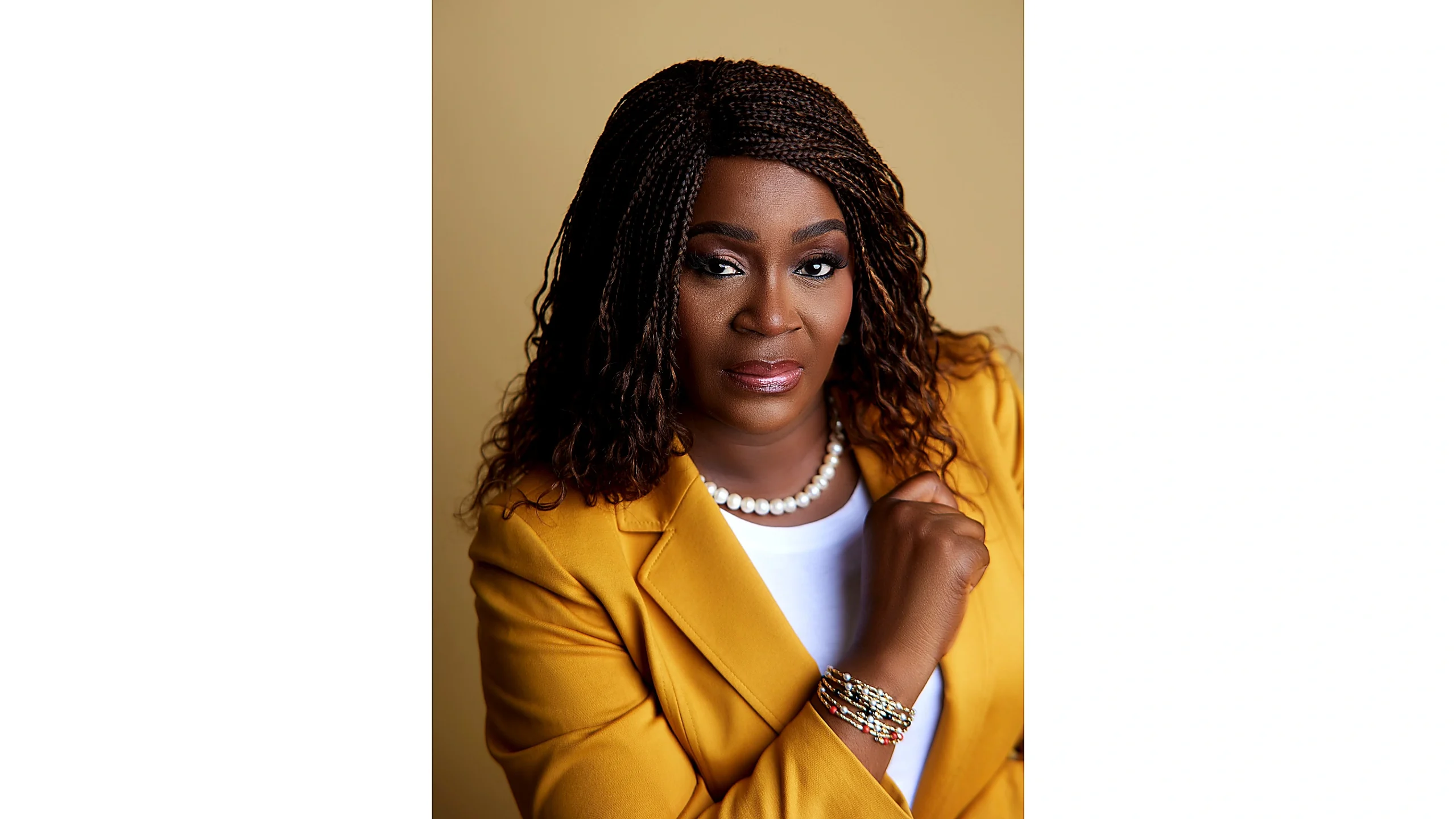
Dr. Charity Usifoh Chenge. Driving Health Systems Reform Across Africa
Dr. Charity Usifoh Chenge, Co-founder, Centre for Health Systems Support (CHESIDS) and Women in Public Health Leadership for Africa (WiPHLA)is a physician and accomplished public health leader with over 25 years of experience driving large scale health systems change. Trained in medicine/surgery and public health, she has built a career focused on translating funding, policy, and partnerships into measurable impact.
Her professional journey spans global and national leadership roles at the U.S. Centers for Disease Control and Prevention, The Global Fund in Geneva, Catholic Relief Services, Born Free Africa, and the Bill & Melinda Gates Foundation, alongside institutions she co-founded. Across these roles, she has led complex, multi-sector initiatives that strengthened governance, improved service delivery, and expanded access to care.
A defining milestone in her career was co-leading Nigeria’s national rollout of Early Infant Diagnosis of HIV using dried blood spot technology. The initiative grew from a single pilot molecular laboratory to more than 17 molecular labs and over 6,500 clinical sites nationwide. This scale-up ensured that thousands of HIV exposed infants were tested early and linked to life-saving treatment. The achievement reflects her ability to turn global ambition into sustainable, country-owned impact.
Dr. Charity is a public health physician and holds a Doctor of Public Health in Public Health Leadership from the University of North Carolina at Chapel Hill. Her current work centres on leadership, governance, and institution building in the public health space, with a clear focus on building systems that endure and deliver results at scale.
On personal values ascribed to the height she attained in her profession, in her words, authenticity, ownership, diligence, bravery, and tenacity define my professional journey. I stay accountable, whether I manage a 173 million dollar health portfolio or nurture a seven-person nonprofit. I take responsibility for outcomes. I work through ambiguity without losing focus. Public health leadership across Africa demands clarity of purpose in complex environments. I invest in people because institutions endure through talent. I have mentored more than 115 public health professionals and serve on five boards.
Assessing the progress of women in leadership, she posited that they have proven competence and capacity. Many now create platforms and shape conversations rather than wait for access. Progress is visible, yet uneven. Real acceleration requires structural reform. Women must influence capital flows and budget decisions. More women should chair boards and lead institutions. Growth will depend on active sponsorship, strong alliances across generations, and policies that support caregiving without limiting ambition.

Talking about the challenges and how she addressed them, Dr. Charity noted that leading innovation within risk-averse systems has tested her resolve, saying that scaling health solutions demands political alignment, financing, community trust, and technical precision at the same time. “I have also navigated global power dynamics while advocating for African-led solutions. I choose my battles carefully. I collaborate with purpose. I leverage networks built through years of work. I hold bold conversations when impact requires it. I build consensus by identifying shared ground and moving forward from there.” She noted.
On proudest achievement, she enthused that being honored by the Governor of Gombe with a hall named after her at the Gombe State College of Nursing Sciences remains deeply meaningful as it reflects sustained contributions to health transformation in the state. “I am proud of expanding Early Infant Diagnosis services in Nigeria from one pilot laboratory to a national network that enabled early testing and treatment for thousands of HIV exposed infants. At The Global Fund in Geneva, I strengthened funding access systems for more than 100 eligible countries seeking support for HIV, tuberculosis, and malaria programs. I led partnerships that scaled Group Antenatal Care across eight Nigerian states, reaching over 1.1 million pregnant women in more than 1,500 facilities. I also supported public-private supply chain reforms that generated over 219 million naira in savings across four states. These efforts improved access, efficiency, and outcomes.”
She maintained that through Women in Public Health Leadership for Africa, they are building a strong pan African network of women who shape policy and lead with intent and impact. The community grew by 1,616 percent within 18 months, from 25 to 404 members. That growth confirms the demand for structured leadership support. At Centre for Health Systems Support, we run leadership incubation models that strengthen public health governance and promote homegrown solutions. Our Next Hundred Public Health Stewards program has influenced similar fellowship models in Nigeria. The goal is clear. Build public health institutions that outlast individuals and export African solutions beyond national borders.
To young female professionals, she counseled that they should invest in competence, build depth before visibility, seek sponsors who will advocate for them, guard their integrity, refuse to diminish their ambition, and step into leadership with preparation and courage. “Keep moving upward and onward.”

