 Follow Us on Google News
 Follow Us on Google Discover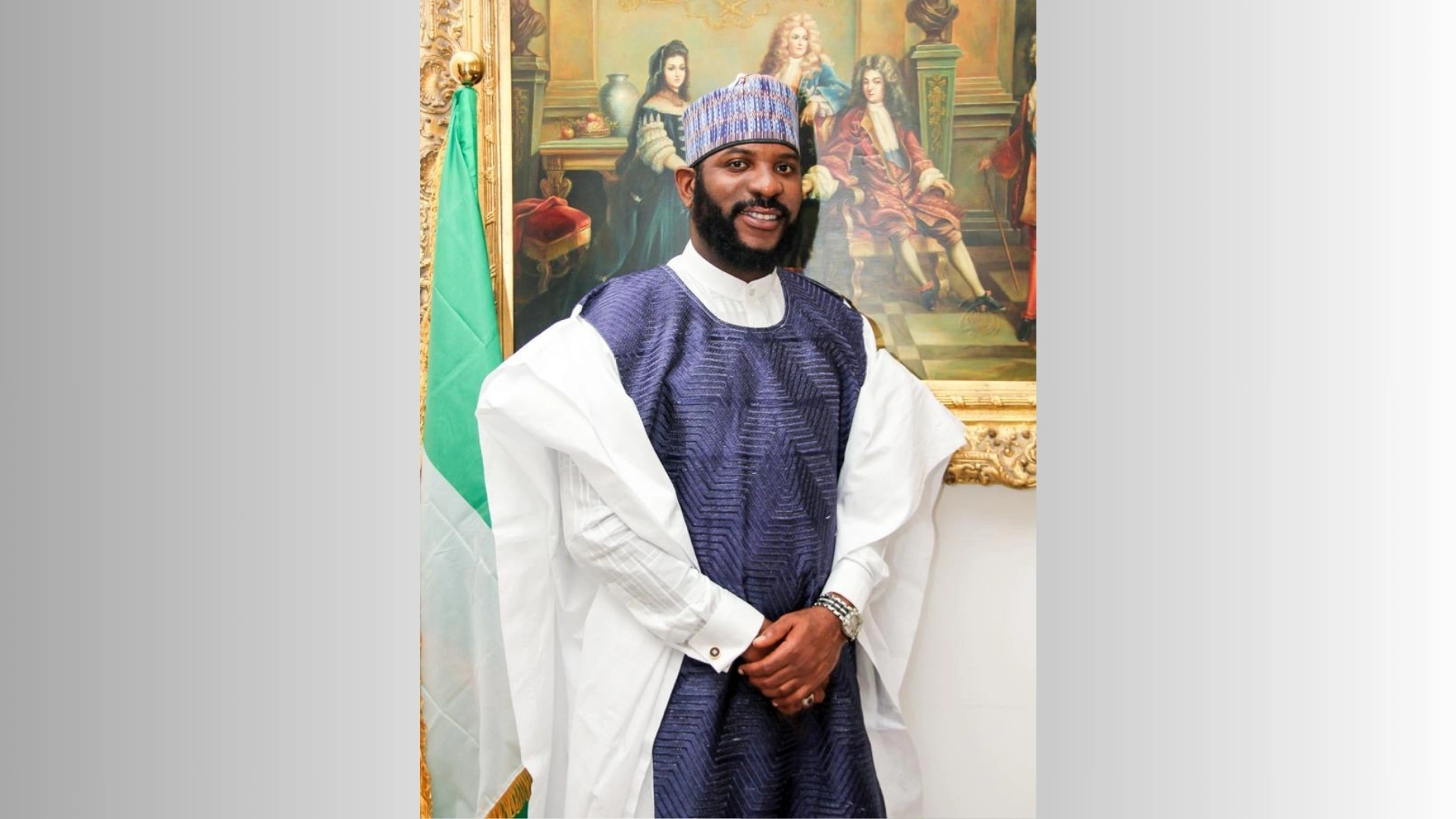
The creation of EMVC by Founder and CEO, Prince Mustapha Audu, followed a clear, pragmatic review of Nigeria’s mobility sector. Despite abundant energy resources and a strong base of human capital, the industry remains marked by high operating costs, persistent inefficiencies, and dependence on imported fossil fuels. Each year, significant foreign exchange is spent on fuel and vehicle imports, even as public transport reliability declines and environmental concerns grow.
To address this imbalance, EMVC was established to localise electric mobility in Nigeria. The mandate spans the design, assembly, and eventual manufacturing of vehicles built for African road and energy conditions.
At its core, the company is tackling a systems-level challenge: lowering the total cost of mobility, improving energy efficiency, and laying the groundwork for a sustainable automotive industrial base in Nigeria.
How would you describe EMVC’s mission and long-term vision for electric mobility in Nigeria and across West Africa?
Our mission is to accelerate Africa’s transition to sustainable, locally driven mobility solutions. Our vision, however, is unapologetically industrial; we see Nigeria emerging as a leading hub for electric vehicle manufacturing and innovation in West Africa.
Over the long term, EMVC is not simply building vehicles; we are cultivating an ecosystem, spanning assembly, charging infrastructure, technical training, battery development, and supply chain localisation. We envision a future where electric mobility is not imported into Africa, but engineered, built, and exported from Africa.

What sets EMVC apart from other players in the automotive and clean energy space?
EMVC distinguishes itself through an integrated, end-to-end approach. While many players focus narrowly on vehicle importation or isolated technologies, we are building across the entire value chain, vehicles, infrastructure, after-sales support, and human capital development.
Equally important is our deeply local orientation. Our products are designed for Nigerian roads, power realities, and consumer expectations, placing durability, cost-efficiency, and adaptability at the centre of our engineering philosophy. Finally, we place a premium on collaboration, working closely with government, institutions, and private sector stakeholders to ensure that this transition is not fragmented, but coordinated and nationally transformative.
What have been the biggest technical and operational challenges in pioneering EV manufacturing locally, and how are you overcoming them?
The challenges are significant and multifaceted. Technically, there is a shortage of specialised skills and persistent infrastructure constraints, particularly in power reliability. Operationally, supply chain gaps and limited access to critical components remain pressing issues.
Our response has been deliberate and phased. In the near term, we assemble and integrate globally sourced components. Over time, we are investing in localisation through skills development, technical partnerships, and eventual component manufacturing.
We are also engineering resilience into our systems by integrating renewable energy solutions and advanced battery management systems designed to perform within Nigeria’s unique energy environment.
How is EMVC working with government, regulators, and private sector partners to build the necessary ecosystem for EVs, charging infrastructure, policy, and consumer awareness?
Collaboration anchors our strategy. We work closely with government and regulators to shape forward-looking policies that accelerate EV adoption. Through initiatives like EVAMAN, we help define industry standards, drive advocacy, and align ecosystem development.
On infrastructure, we partner with private sector players to deploy charging networks in key locations, while exploring decentralised energy models, including solar-powered solutions.
Equally important is public awareness. Through pilot programs, demonstrations, and training, we build trust and understanding, recognising that adoption depends as much on confidence and education as on technology.
In your view, what role will electric mobility play in Nigeria’s energy transition and climate commitments over the next decade?
Electric mobility will be central to Nigeria’s energy transition. The transport sector remains a major driver of fuel consumption and emissions, and electrification presents a clear and scalable pathway to address both.
Over the next decade, widespread EV adoption has the potential to reduce urban pollution, lessen dependence on imported fuels, and align with the growth of renewable energy. Beyond environmental benefits, it offers compelling economic value, lower operating costs and the emergence of new industrial sectors.
Handled strategically, electric mobility can simultaneously advance Nigeria’s environmental commitments and economic development.
What does leadership mean to you, and how do you embody those qualities in your daily life?
To me, leadership is fundamentally about responsibility, the willingness to take ownership, particularly in uncertain environments. It requires clarity of vision, disciplined execution, and the ability to remain consistent over time.
In practice, I lead by example, staying focused, making considered decisions, and building strong, capable teams. I also place great value on listening; often, the most effective insights come from those closest to the work.
Ultimately, leadership is not defined by position, but by impact, the ability to create opportunities and deliver meaningful outcomes.
You’re known to have an active interest in politics. What motivated your involvement, and how do you see politics intersecting with your work in industry and innovation?
My involvement in politics stems from a commitment to nation-building at the structural level. Many constraints facing businesses, policy inconsistency, infrastructure gaps, and regulatory uncertainty, originate within the governance framework itself. Industry and politics are therefore inseparable. For innovation to thrive, the enabling environment must be intentionally shaped.
My engagement allows me to contribute to policies that support industrial growth, technological advancement, and long-term economic stability. At its core, it is about bridging private sector innovation with public sector decision-making.
I am also deeply inspired by the legacy of my father, Prince Abubakar Audu. His contributions to industry and education remain enduring, and his vision continues to shape my own pursuit of impactful leadership.
In a closing note, what legacy do you hope to leave behind?
I hope to be remembered as someone who contributed to building something enduring, an industry that creates jobs, drives innovation, and positions Nigeria at the forefront of a critical global transition.
Beyond EMVC, I would like my legacy to reflect impact: expanding possibilities, shifting mindsets, and demonstrating that world-class solutions can be conceived and built in Nigeria.
If we can inspire a generation to think boldly, build locally, and compete globally, then that is a legacy of lasting value.

