 Follow Us on Google News


 Follow Us on Google Discover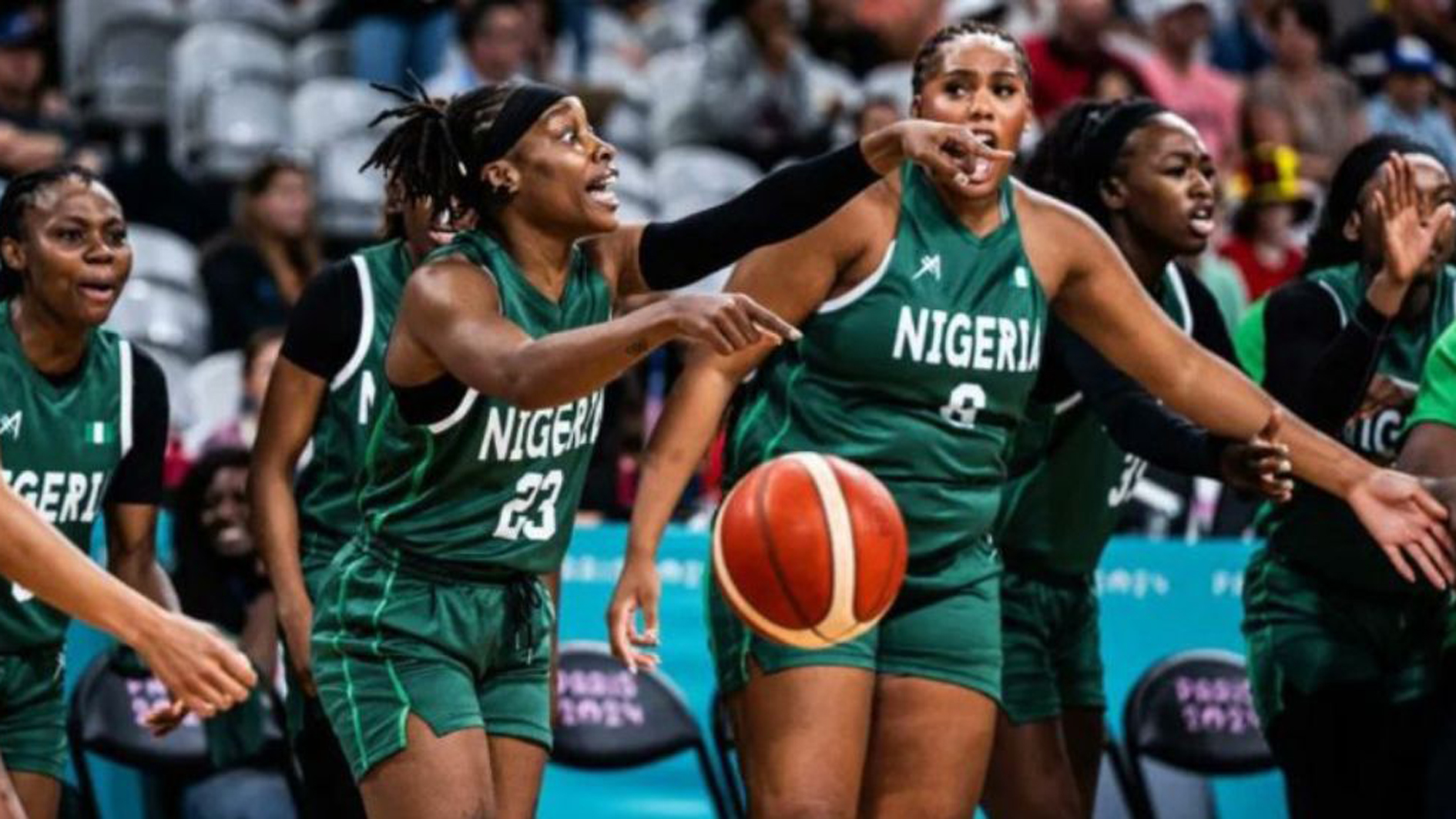
Nigerian basketball is enigmatic. The game has been thriving internationally even when its administration is perpetually in crisis. With the NBBF general elections around the corner, CHRISTIAN OKPARA writes that the game will achieve greater success when stakeholders embrace the spirit of sportsmanship.
Over the last two decades, Nigeria has been the most successful basketball-playing nation in Africa, dominating the game at the national team level to the point that D’Tigers and D’Tigress have set standards that other countries only dream of.
Nigeria’s senior men’s national basketball team, D’Tigers, made history in 2021 by becoming the first African team to defeat the United States in a basketball game.
The historic upset occurred during an exhibition match in Las Vegas, where Nigeria defeated the USA 90-87.
In addition to this monumental victory, D’Tigers have established themselves as trailblazers in African basketball with several other notable “firsts”, including being the first country to qualify both its men’s (D’Tigers) and women’s (D’Tigress) basketball teams to the same Olympic Games (the 2020 Tokyo Olympics).
The Tigers were also the first team from Africa to qualify for the FIBA Men’s World Cup, securing their spot in the tournament in China and subsequently entering FIBA’s top ranking.

The women have been more spectacular, dominating the game on the continent over the last 20 years. They are on record as the first African team (male or female) to reach the quarterfinals of the Olympic Games (at the Paris 2024 Olympics) and to break into the global top 10 rankings, ranking eighth in the world.
But these achievements are despite the perennial struggles for power among the game’s stakeholders.
Nigerian basketball has suffered from a decade-long power struggle primarily driven by factional disputes, leadership tussles within the Nigeria Basketball Federation (NBBF), and government interference.
These recurring crises have led to prolonged litigation, a lack of a structured domestic league, and stunted growth for both grassroots talent and national teams.
The NBBF has experienced years of bitter division, with rival factions occasionally holding parallel elections. The struggle has mostly centred on the old guard seeking tenure extensions, while opposing factions cite constitutional term limits.
Since the Tijjani Umar regime, which gave way to the current board led by Musa Kida, finding a way to transmit power from one administration to another has become so difficult that the contestants often end up in court.
That would have been the case under the current regime until the world basketball ruling body, FIBA, issued a ruling that the regime’s tenure will end with a general election on October 15 this year.
FIBA was forced to intervene in the crisis when an argument among opposing camps broke out over the real date of the expiration of the Kida-led administration, which some stakeholders accused of trying to extend its tenure by ignoring every call by lovers of the game for an elective congress to elect new leaders for the body.
They argued that its tenure expired on January 31, in line with its constitution, and petitioned FIBA for guidance to safeguard constitutional order and avoid allegations of external interference.
But the world body ruled that rather than January, the current NBBF board tenure ends in October.
In a letter signed by Secretary-General Andreas Zagklis, FIBA said it received petitions from stakeholders on governance issues and election timelines within the federation.
FIBA noted that it had been monitoring governance challenges in NBBF since 2017, especially recurring disputes that often intensify during election periods.
The organisation recalled that past crises led to Nigeria’s withdrawal from the FIBA Women’s Basketball World Cup and sanctions imposed on the federation.
The body said it intervened to restore stability, culminating in the normalisation of the federation’s situation in October 2022.
FIBA stated that the current NBBF board’s tenure remains valid until October 15, 2026, when new elections must be concluded.
It added that elections should be held after the 2026 FIBA Women’s Basketball World Cup, scheduled to end on September 13, 2026.
The new board is expected to assume office no later than October 16, 2026, in line with the outlined transition timeline.
FIBA stressed that elections must be conducted under existing NBBF statutes, noting that amendments would not be recognised before the process is completed.
It added that the process must comply fully with its general statutes and internal regulations to ensure transparency and credibility.
FIBA said the directive aims to prevent a recurrence of past crises that disrupted basketball development in Nigeria.
But even then, there are still sceptics who say the country is set for another prolonged crisis in basketball unless the federal government steps in to ensure the elections are conducted fairly to the satisfaction of all concerned.
But the question is: What constitutes fairness in the basketball elections? What should be done to ensure that anybody or any party that loses at the polls accepts the outcome?
Igoche Mark is a basketball promoter and founder of the Mark D’Ball Basketball Championship, and one of the stakeholders seeking to succeed Kida as NBBF president. Mark explained that the crisis stems from basketball in Nigeria growing rapidly in passion and talent, adding that this growth has sparked strong opinions on how the game should be managed.
According to Mark, the difficulty has largely arisen from competing visions for development and the timing of elections, which often creates tension.
He said: “At the core, everyone wants to see Nigerian basketball succeed on the court and at the grassroots. What we need is a structure that channels those different views into constructive dialogue, so that the sport, not individual interests, remains the focus. When stakeholders sit together with the shared goal of player development, infrastructure upgrade, and international competitiveness, solutions become easier to find.”
To curb the agitations that often lead to court cases, Mark said the government should play its role by providing a stable policy environment, supporting facilities, and clearly recognising basketball as a sport that deserves investment.
“When government engages as a facilitator and supporter rather than an intervener, it creates space for the federation to operate independently and transparently.”
He added that stakeholders, including players, coaches, state associations, sponsors, and former administrators, can commit to a code of conduct that puts the game first.
“Regular consultative forums before and after elections, respect for the NBBF constitution, and an emphasis on youth and grassroots programmes will reduce friction. Peace lasts when everyone feels their voice is heard and sees tangible progress for the players.”
Mark said that the October 15 elections would only succeed if all involved agreed to be transparent and inclusive and to adhere to due process.
On transparency, he said that “the process, timelines, and eligibility criteria should be communicated clearly and early to all stakeholders.
“All recognised state associations and legitimate stakeholders should be given a fair platform to participate and be heard, while the elections must strictly follow the NBBF constitution and the guidelines set by the relevant bodies. When the rules are applied consistently, the outcome gains credibility.”
According to Mark: “If these principles are upheld, whoever emerges will have a stronger mandate to unite the basketball family and focus on moving the game forward. The goal after October 15 should be to close ranks and work together for the players and fans, who are the reason we are all here.”
While agreeing that every stakeholder in the game must pull to the same side to aid the growth of the game in the country, a member of the current NBBF board, Felix Awogu, said: “I don’t think there has been a leadership crisis in basketball.”
He said that every federation needs a peaceful environment to thrive, adding, “Basketball is unique with the array of intellectuals in and around the game, and we are surely going to have ego issues, but the leadership has been able to navigate through all the storms.”
While encouraging all the stakeholders to give what it takes to move the game forward, he said many issues have arisen because some people always want things to happen their own way. “We must always try to reach a common ground at times,” he admonished.
To ensure the success of the forthcoming elections, Awogu said that the process will thrive with a properly constituted electoral board in line with the NBBF constitution. He added that the process should be open to all eligible aspirants.
A prominent member of the basketball family, who pleaded anonymity, told The Guardian that the problem in the NBBF stems from some people wanting to lord things over others.
He said that the current NBBF board had been moving smoothly until the leadership began acting arbitrarily, without considering others.
“We fought together to get the current board in power, only for some people to start behaving like emperors. That was the recipe for the ongoing crisis.
“Now that the tenure is coming to an end, every stakeholder should come together to elect members who will not see the federation as their private property. The elections, in the first place, must be made open to all eligible contestants with a clearly spelt out timeline,” he said.

