 Follow Us on Google News


 Follow Us on Google Discover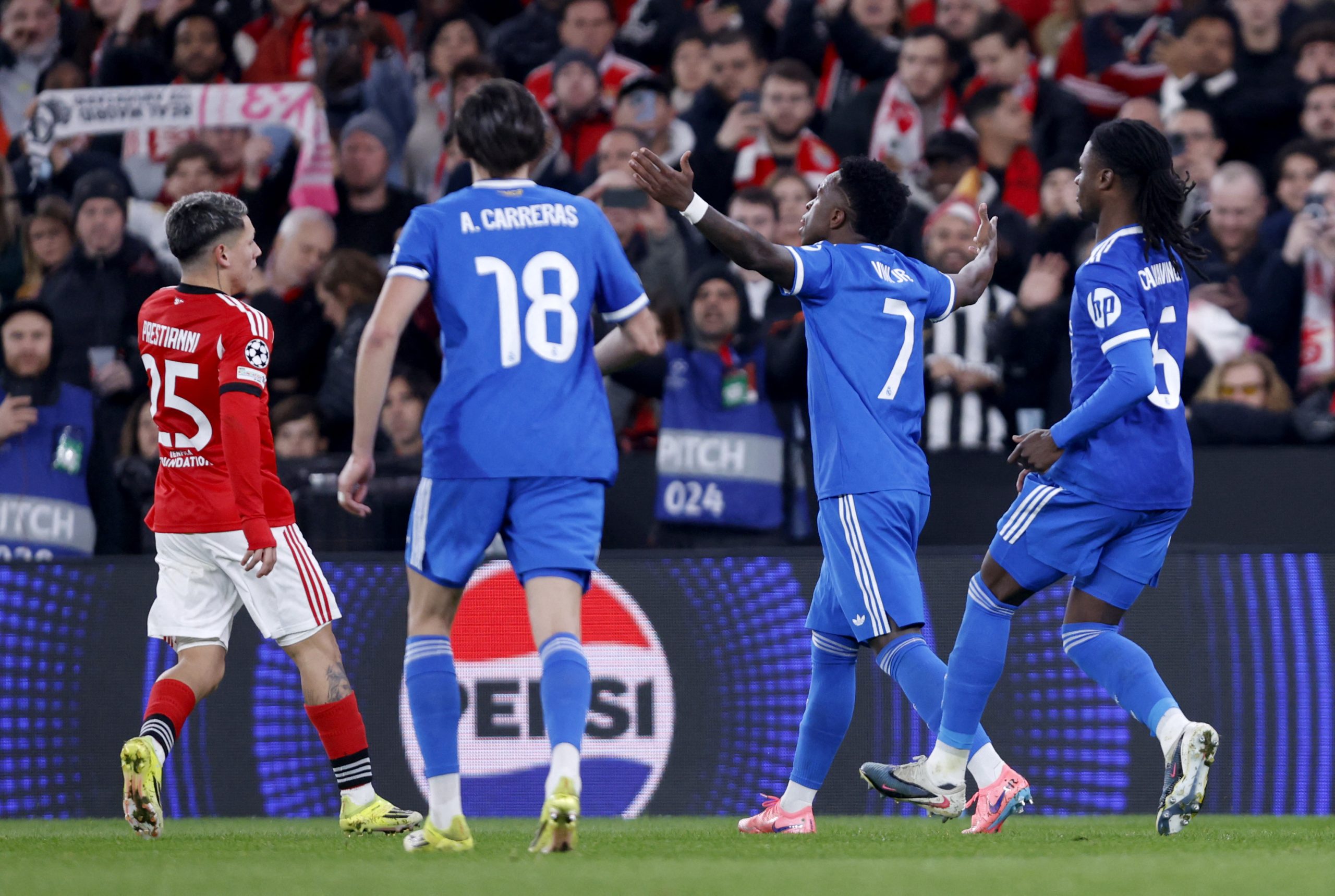
FIFA president Gianni Infantino has said footballers who cover their mouths during confrontations with opponents should be sent off on the presumption that they are making offensive remarks.
Speaking to Sky News, Infantino argued that hiding one’s mouth suggests an attempt to conceal inappropriate language and should carry immediate consequences.
“If a player covers his mouth and says something, and this has a racist consequence, then he has to be sent off, obviously,” Infantino said. “There must be a presumption that he has said something he shouldn’t have said, otherwise he wouldn’t have had to cover his mouth.”
The FIFA president also revealed plans to review the minimum 10-game ban for discrimination, suggesting reduced sanctions for players who show genuine remorse, as part of a broader effort to change attitudes within the game.
However, he warned football authorities against deflecting responsibility. “We have to stop saying it’s a problem in society,” he said. “Football has to deal with racism within the sport.”
Reaction to Vinícius Jr incident

The case is complicated by claims that Benfica’s Gianluca Prestianni covered his mouth with his shirt while allegedly directing abuse at the Brazilian forward, one of football’s most high-profile Black players.
While Benfica initially complained of a “defamation” campaign, manager José Mourinho later said Prestianni’s career at the club would be over if he were found guilty of racism.
Infantino acknowledged that UEFA must complete its investigation, noting that Prestianni has been provisionally suspended and missed the second leg of the tie, which Benfica lost.
“There are situations we did not foresee,” Infantino said. “Of course, disciplinary cases require analysis and evidence, but we cannot just be satisfied with the current framework going forward.”
Rule changes and cultural shift
Infantino said the aim is for the International Football Association Board to strengthen the Laws of the Game by April, in time for implementation at the FIFA World Cup in June.
“I simply do not understand—if you don’t have something to hide, you don’t hide your mouth when you say something,” he said. “It’s as simple as that.”
He also outlined a possible shift in how punishments are applied.
“We need sanctions that are decisive and have a deterrent effect,” Infantino said. “But we should also think about changing our culture—allowing players who act wrongly in a moment of anger to apologise, and then have a different sanction.”
He stressed that the fight against racism must extend beyond punishment to preventing abuse in stadiums, on the pitch and online.
“We have to stop racism,” Infantino said. “We cannot be satisfied with saying it’s a problem in society and that football can do nothing more.”

