 Follow Us on Google News


 Follow Us on Google Discover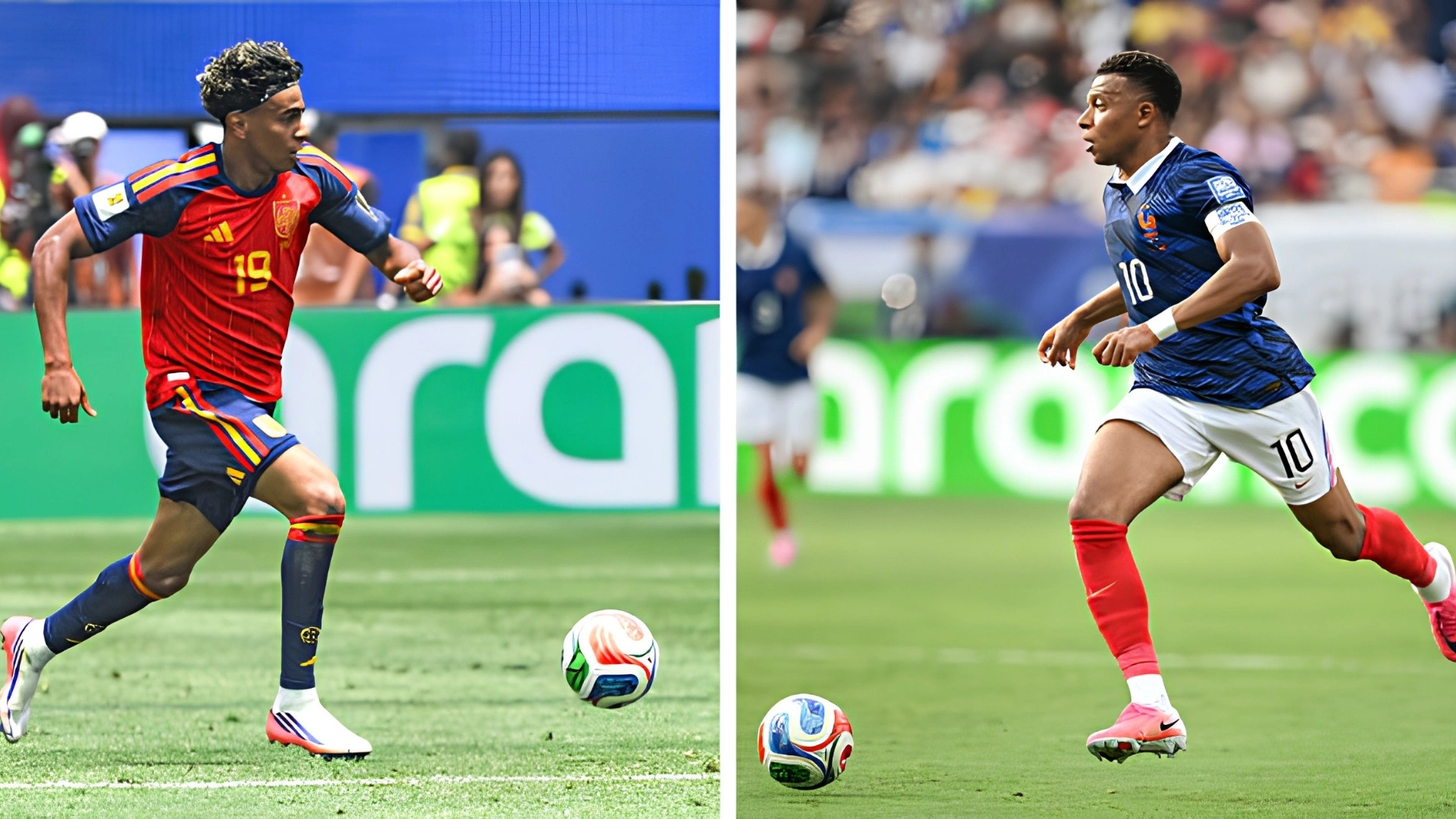
France against Spain sounds like a match built for beauty. One side carries power, pace and knockout pedigree. The other brings rhythm, passing authority and a football culture shaped by control. But World Cup semi-finals are rarely won by romance alone. This one may be decided by who manages the match better, not who decorates it more.
France have reached this stage with the authority of a team that understands tournament football. They do not need to play at full flow for 90 minutes to look dangerous. They can absorb pressure, wait for one decisive moment and still leave the pitch with the result. That is one of the reasons they remain so difficult to read and even harder to eliminate.
Spain’s case is different. Their strength lies in their ability to give a match a shape. When Spain control possession properly, opponents are forced to defend for long periods, chase spaces and make decisions under fatigue. Their football can look gentle until it becomes suffocating.
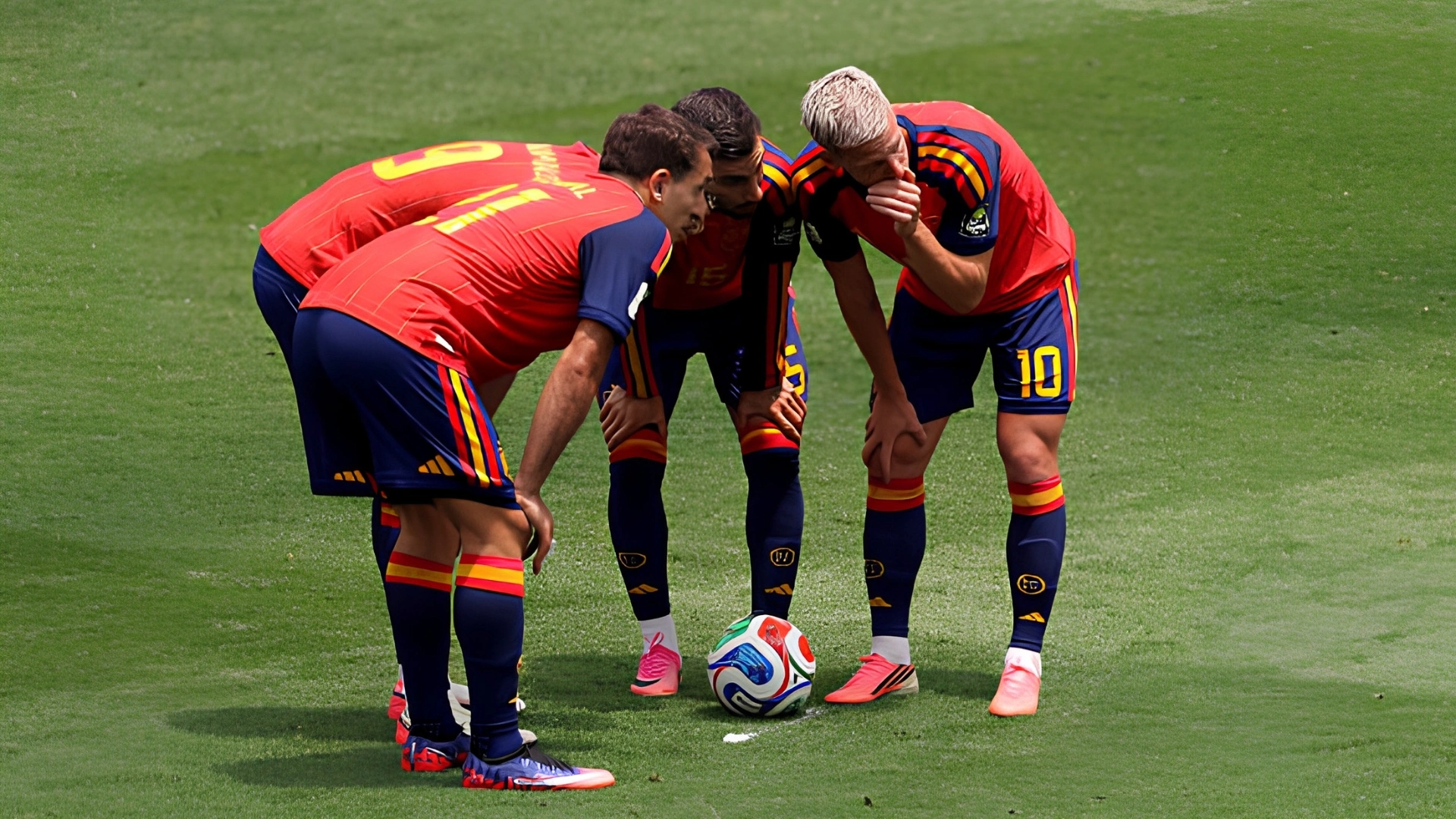
The first question in this semi-final is not simply who has the better players. It is who controls the tempo. If Spain settle into their passing rhythm early, France may have to spend long periods without the ball. That does not automatically weaken France, but it changes the emotional balance of the match. Spain want the game to become ordered. France are comfortable when order breaks.
For France, the danger lies in transition. They have players who can turn a loose pass into a direct attack within seconds. Kylian Mbappé remains the obvious threat, but France’s power is not limited to one man. They can stretch the pitch, attack space and force defenders into emergency decisions.
Spain must therefore be careful with possession. Keeping the ball is not enough. They must keep it with security. A bad turnover in midfield against France is not just a mistake. It can become a World Cup final ticket slipping away.

France, however, cannot rely only on moments. Against a team like Spain, too much time without the ball can become dangerous. It invites pressure, corners, free-kicks and territorial control. It also tests concentration. One lapse in a semi-final can become the story of a tournament.
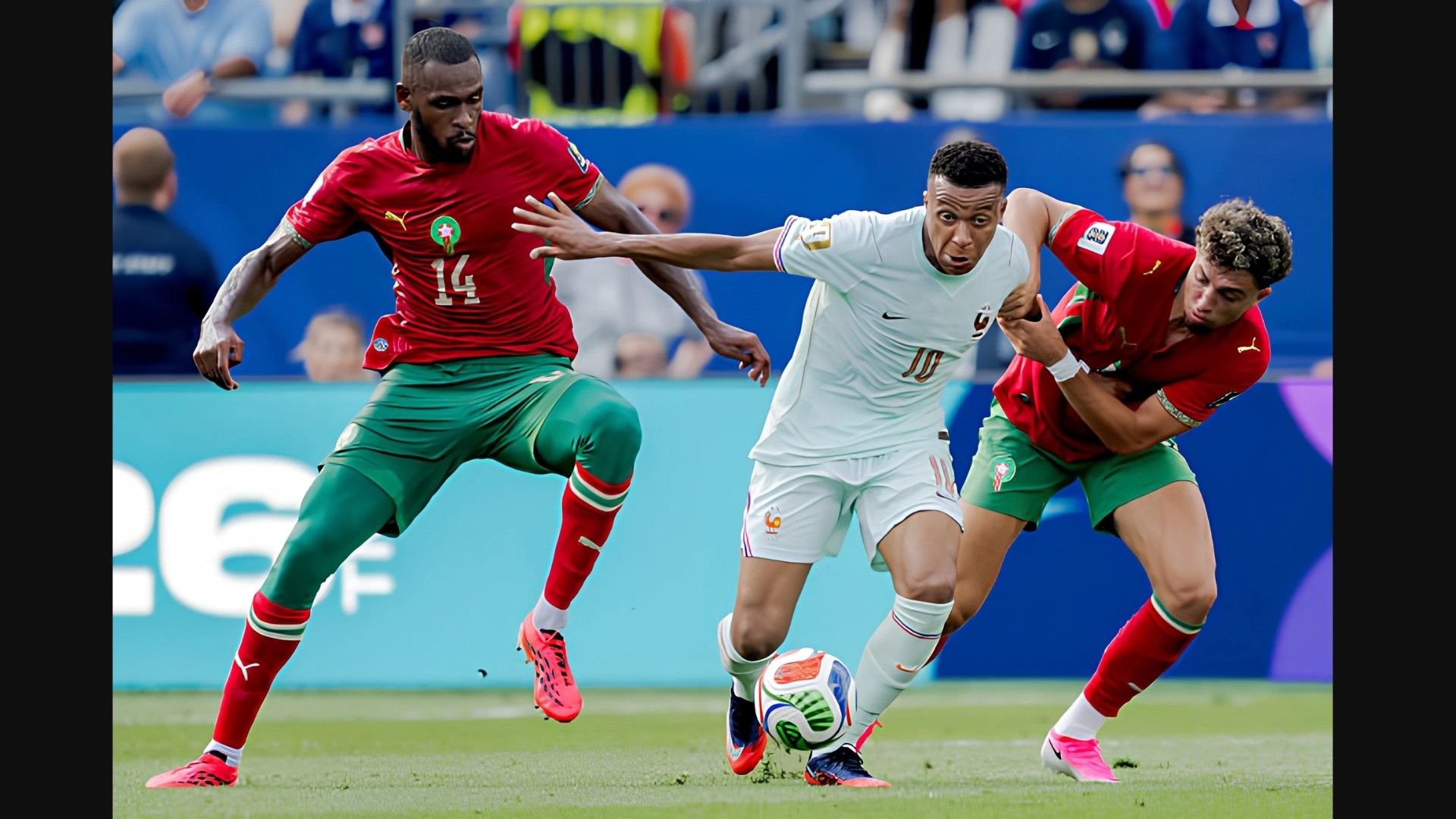
The popular conversation around France v Spain will naturally focus on attackers. That is understandable. These are teams with players capable of changing matches. But the more decisive area may be the middle of the pitch and the spaces just outside both penalty areas.
Spain will try to move France’s midfield, create passing lanes and pull defenders into uncomfortable positions. France will look for the moment when Spain’s structure is stretched. That is the tactical tension of the match.
For Nigerian fans following the betting markets, this is also a useful reminder. A semi-final price is not a prophecy. It reflects probability, public confidence, squad quality and market sentiment. It does not remove the uncertainty created by tactics, pressure, fatigue or one moment of brilliance.
This match should be read as a contest of control against explosiveness. Spain may have longer spells of possession. France may carry the more obvious threat in sudden moments. Neither condition guarantees victory.
At this stage of the World Cup, the best teams are not always the loudest. They are the ones that understand when to press, when to wait, when to slow the game and when to strike. France and Spain both have that knowledge. The semi-final will reveal who can apply it under the harsher light.
For all the talent on show, this may not be a match decided by flair. It may be decided by restraint.

