 Follow Us on Google News


 Follow Us on Google Discover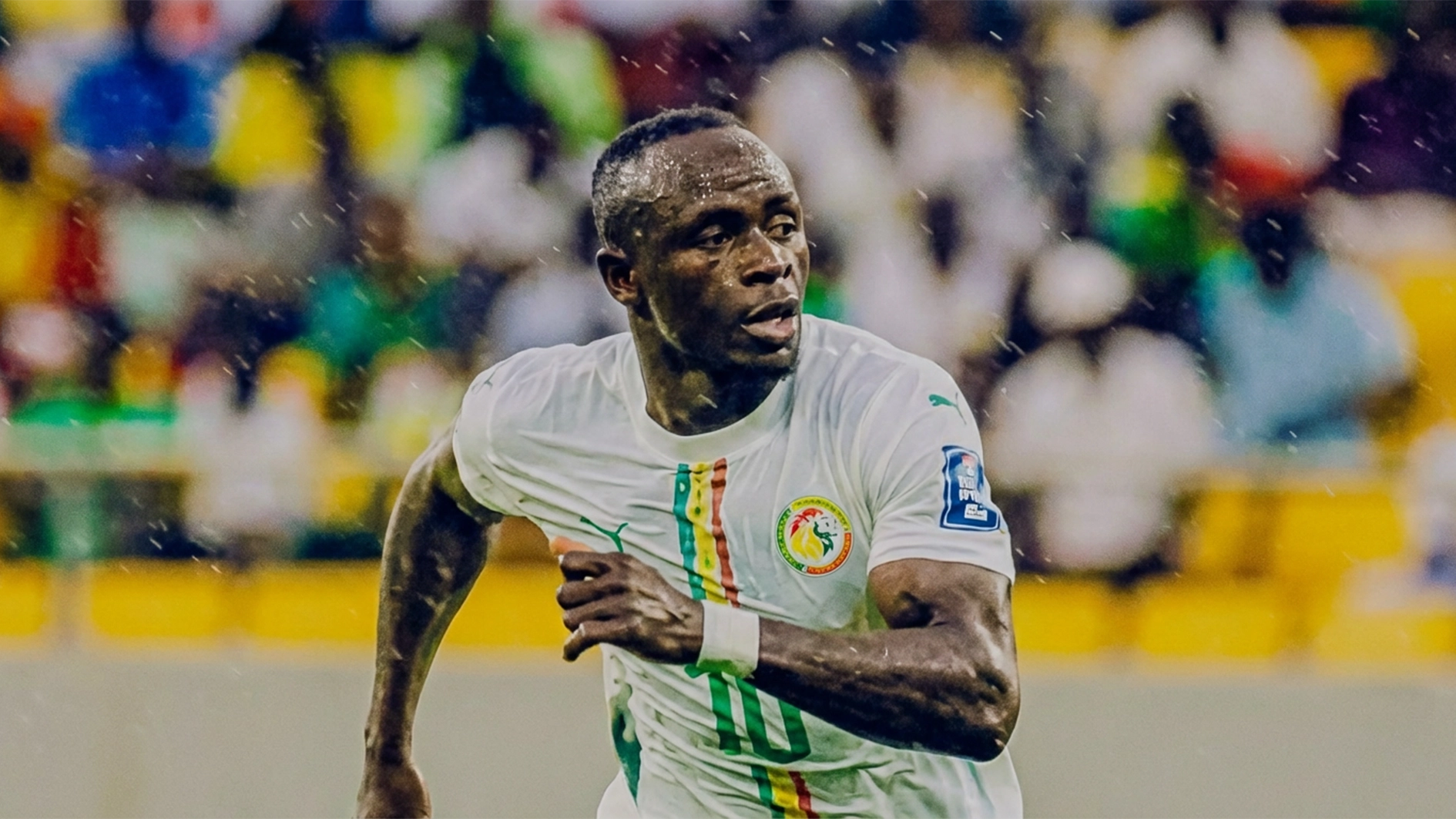
The “African malaise” is threatening to derail Senegal’s campaign at the ongoing World Cup. The African champions (pending CAS verdict on their appeal against CAF’s decision to strip them of the title and hand the same over to Morocco) were among the five teams from the continent tipped to ‘do well’ at the Mundial, but they have lost their opening two games to France and Norway.
In their fourth World Cup, the Teranga Lions are battling on two fronts –on the pitch and off it.
Now, they must beat Iraq on Friday and hope that other games in other groups go their way to stand a chance of making the round of 32 as one of the eight best third-placed teams
after the group stage.
How did Sadio Mane and his compatriots get to this strait?
According to BBC Africa, disputes over bonuses and payments, a late change of chef and complaints over food have dominated the build-up to their opening games. And then there is a row over manager Pape Thiaw’s contract, which has led to concerns that off-pitch matters could affect the team on the field.
Players and staff are staying at the four-star Hyatt Regency in New Brunswick, New Jersey, in contrast to the five-star Fairmont Palace in Tangier, the luxury venue used during the 2025 Africa Cup of Nations in Morocco.
That, however, is not a major issue, especially as the hotel is located close to Senegal’s training base at Rutgers University.

There has been speculation about the quality of the food, and claims it has not met the players’ expectations.
The team travelled with their own chef – the one who has been present at previous tournaments and who prepares the menus months in advance of training camps and competitions.
He remained with the squad until the second pre-World Cup friendly – Senegal played warm-up games against the USA in Charlotte and Saudi Arabia in San Antonio – before leaving for personal reasons.
He was replaced by another chef, and the players have no issue with the catering.
Instead, complaints have come from other members of the delegation – not players or coaching staff.
It is those people outside the core team structure – but staying at the hotel – who have sometimes gone out to order food elsewhere, disappointed that Senegalese food was not being served.
Some Senegalese Football Federation (FSF) officials have had family members travel, at their own expense, but stay a short distance from the official hotel.
At times, they have been in proximity with the team, which has not been well received by everyone.
The families of the players are staying nearby in another hotel, with accommodation and breakfast paid for by the federation.
Players and staff were also said to be unhappy about unpaid bonuses.
These were finally paid by the government a few days ago.
“There’s indeed some malfunctions, from the players’ side, the staff and the FA. We are focused on the game tomorrow, and that’s the most important thing,” Thiaw said on Sunday.
“If I lose even a second of my belief that I can win the World Cup with Senegal, I will step down,” Thiaw said on the eve of the tournament.
Thiaw, who played for Senegal at the 2002 World Cup, guided the team to that controversial Africa Cup of Nations final in January.
Relations between Thiaw and the federation, however, are not as smooth as appearances might suggest.
When he took charge in 2024, Thiaw accepted the salary that was offered to him, about £210,000 per year.
But after the 2025 AFCON run, he acquired a level of power that allowed him to enter contract extension talks from a much stronger position – especially as his previous deal had expired immediately after the tournament.
Talks over his contract extension dragged on.
In Senegal, the coach negotiates with the federation, to which he is contractually tied, but both the signing and the payment of the contract must be approved by the state, through the ministries responsible for sport and finance.
After months of delay, Thiaw was forced to travel to the U.S. without having signed his new contract.
With a new sports minister, the negotiations then moved forward in the U.S., and an agreement was eventually reached on a contract worth £480,000 per year, plus an £80,000 yearly bonus.

