 Follow Us on Google News
 Follow Us on Google Discover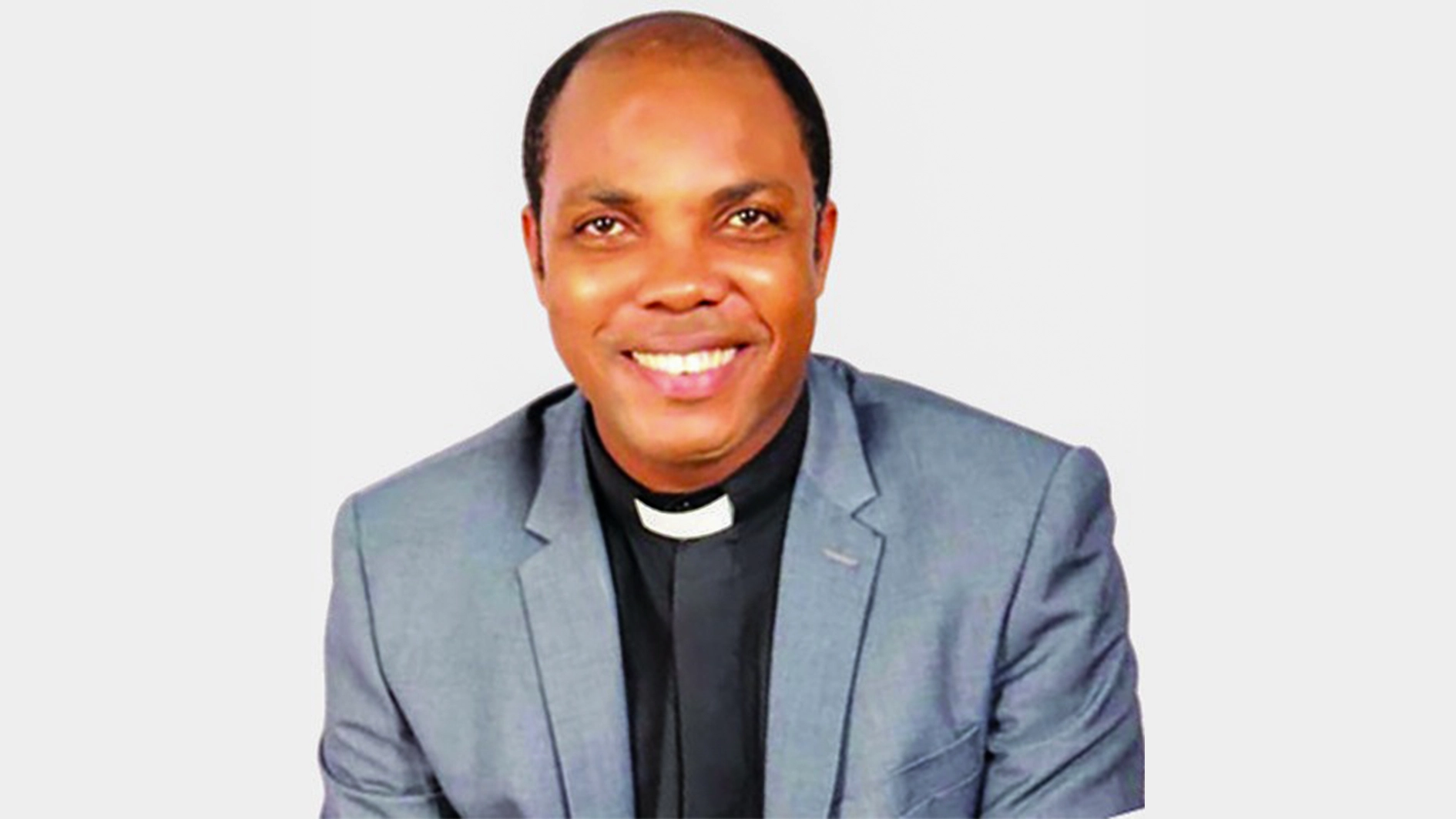
By Stephen Wolemonwu
“The steadfast love of the Lord never ceases; His mercies never come to an end; they
are new every morning; great is Your faithfulness,” (Lamentations 3:22–23).
Introduction: The Problem Of “Used-up” Mercy
Have you ever felt like you have finally run out of chances with God?
LIKE you have messed up too many times, prayed too few prayers or failed too often — and now heaven must be tired of hearing your name? That is a real fear many believers carry. We imagine God’s mercy like a prepaid card — once you swipe too many times, the balance runs out. But Scripture tells us something radically different:
“The steadfast love of the Lord never ceases; His mercies never come to an end; they are new every morning; great is Your faithfulness,” (Lamentations 3:22–23).
Mercy is not a one-time event. It is measureless. It calls us when we are unqualified, sustains us when we are weak, transforms us when we are stuck, and even runs after us when we wander away.
God is declaring over your life: “I am not done with you. My mercy has no measure.”

Reading through — Genesis 12:1-9; Romans 12:1-8; Psalm 119:17-32, and Luke 15:11-32; we will see four dimensions of this mercy:
• Mercy calls you out of old places.
• Mercy transforms you into something new.
• Mercy teaches and sustains you.
• Mercy runs after you when you fall away.
So, as we step out daily, may we step into new mercies.
Measureless mercy calls you out: Genesis 12:1–9, “The Lord had said to Abram, ‘go from your country, your people and your father’s household to the land I will show you. I will make you into a great nation, and I will bless you…’”
• Mercy Interrupts
Abram was not searching for God. He was living in Ur; a land steeped in idolatry. Joshua 24:2, tells us his family worshipped other gods. He did not qualify by righteousness, pedigree or performance; yet God interrupted his life with a call.
That interruption was mercy!
Mercy does not wait for you to be ready, rather it breaks into your ordinary routine and says: “I have more for you.”
Saul of Tarsus on the Damascus Road was not looking for Jesus; he was persecuting Him. Yet mercy interrupted with a blinding light and a new direction.
• Mercy Promises Before Performance
Notice the order: God did not say, “Prove yourself first, then I’ll bless you.” He said, “Go… and I will bless you.” (vv. 2–3). The promise came before Abram’s obedience was perfected.
That’s the nature of mercy; it gives a future before you have earned it. It declares blessing before you have built a résumé.
The thief on the cross had no time to prove himself, no chance to perform; yet Jesus promised: “Today you will be with me in paradise.” Mercy always speaks promise before performance.
• Mercy Builds Altars
Every time Abram encountered God, he built an altar (vv. 7–8). Mercy produces worship. When you realise you did not deserve the call, you cannot help, but bow in gratitude.
Altars are reminders that mercy met you where you were. They are declarations that God’s call is bigger than your past.
Jacob At Bethel. After mercy appeared in a dream, he built an altar and said: “Surely the Lord is in this place.” Mercy always leaves us worshipping.
• By The Ven. Stephen Wolemonwu, Rector, The Ibru Ecumenical Centre, Agbarha-Otor [email protected], 08035413812.

