 Follow Us on Google News


 Follow Us on Google Discover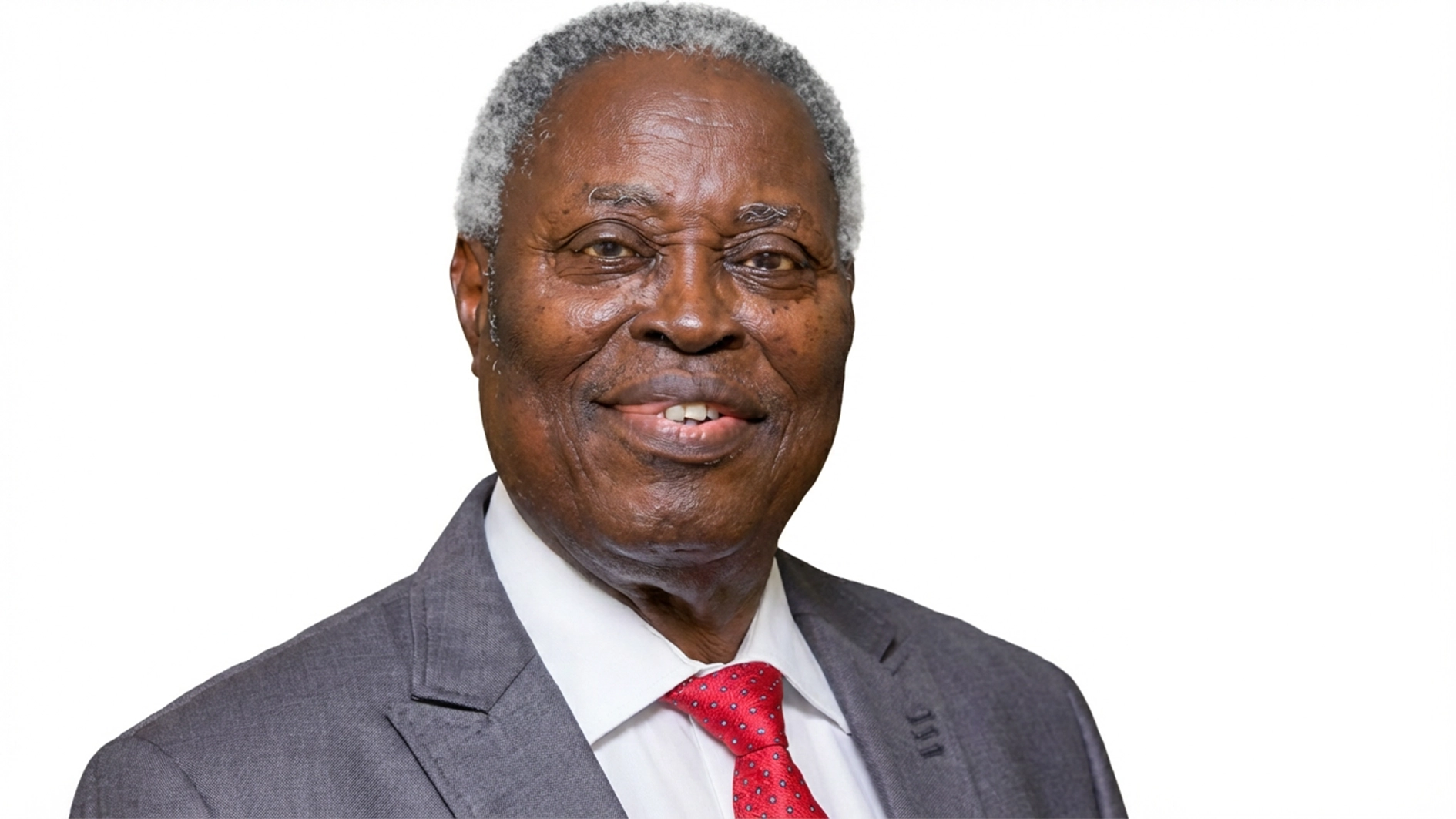
By Pastor W. F. Kumuyi
Springs Of Wisdom
There was divine retribution for Abimelech’s treason, which continues into eternity because God watches over everything in the world. We must bear in mind that the consequences of our actions always spill over into eternity.
Treachery led to the downfall of Abimelech. The sons of Gideon did not do anything against him, yet he saw them as competitors. As long as they were alive, he would not get what he wanted. So, he killed them. But judgment eventually caught up with him. God does not approve of treachery or contributing to it. He will surely judge those involved in treachery. Unlike humans who have payday at the end of the week or month, God does not fix a payday. Consequently, for three years, things seemed to go well for the Shechemites and Abimelech.
As believers, we must understand that “God is not mocked: for whatsoever a man soweth, that shall he also reap.” We must not sow bad seeds; we should rather sow good ones to bring good fruits in our lives, families and ministries.
Absalom sought fora position, but suffered tragedy. Living after Abimelech’s time, he could have learnt from his story. He promoted himself, while his father, King David, was still alive. Eventually, he “stole the hearts of the men of Israel.” Those who are truly born again will not engage in deceitful actions for gain, regardless of the high stakes. Absalom told David he wanted to go and pay his vow, a promise he made to the Lord. David, innocent and lacking the gift of the word of knowledge and the Spirit’s discernment in this case, allowed him to go. And by so doing, granted him the chance to conspire against the anointed king. In his fight for the throne, he died and went to hell.

God’s arrangement was that a son must succeed a king in Israel and Judah, not a woman. Athaliah sought to snatch the palace for herself and attempted to destroy all “the seed royal,” but Joash was rescued and hidden in the house of the Lord for six years. Like Joash, God hides His people from evil to fulfill His purpose. Eventually, Joash was made king, and Athaliah was later executed as commanded by the priest. It profits nothing to gain royalty, but lose one’s soul.
Gideon refused to reign over the children of Israel. Moses also refused to be an heir to Pharaoh’s throne, choosing instead to suffer affliction with God’s people, rather than enjoy Egypt’s treasures—a euphemism for the world. Egypt’s allure may be strong though temporary, but God’s calling to identify with His people has stronger and eternal value.
Moses chose serving God’s people over Egypt’s privileges. Pharaoh‘s daughter adopted him as a son, trained him in Egypt’s educational system, and wanted him to rule over the land. But Moses refused and esteemed “the reproach of Christ greater riches than the treasures in Egypt.” If Moses had accepted Egypt’s offer, he would not have delivered Israel from bondage, written the Pentateuch or performed miracles. Moses made a choice, which God honoured. He missed out on a lower position, but gained a higher one with God. The Lord calls us to a higher position; we must not allow apparent ‘opportunities’ deny us this privilege. God honours good choices of the “way of truth”and salvation.
Christ the Messiah prioritised saving godless people over an earthly reign. “When Jesus, therefore, perceived that they would come and take him by force, to make him a king, he departed again into a mountain himself alone.” Many thought Jesus came to reign, but His first coming was to die and save humanity from sin. Jesus was not called to reign over unrepentant sinners, but to “seek and to save that which was lost.” He will reign in His second coming over submissive people. Like Jesus, we must know that we are called by God to preach the gospel to every creature. If we commit ourselves to this task and remain holy, on the final day, we will reign with Christ.
The Lord counselled that believers are not to be like Gentile authorities who “exercise lordship over” their followers. We are not to seek position, rulership or being lord over the household of faith. “But he that is greatest among you, let him be as the younger; and he that is chief, as he that doth serve.” We must learn to serve by bringing sinners into the Kingdom of God and if we serve in humility and holiness, it will bring reward to us when we get to heaven.
• Further reading (King James Version): Judges 9:8-13,23,24; 6:34,35; Judges 9:8-13; Judges 9:8,9; Ecclesiastes 12:13,14; John 5:44; Hebrews 5:4,5. Judges 9:10,11; Proverbs 27:18; Matthew 21:19-21; Mark 13:28-31. Judges 9:12,13; Song of Solomon 1:6; Isaiah 5:1-7; John 15:1-8; and Judges 9:23,24.

