 Follow Us on Google News
 Follow Us on Google Discover
Artificial intelligence has infiltrated almost every corner of consumer software, and VPN services are no exception. Where once a simple encrypted tunnel existed, now often exists a system that chooses servers, identifies suspicious traffic, and adjusts
to network conditions in real time. The question is whether this actually makes a Best VPN better, or is just another marketing label.
Why AI Entered the VPN Conversation
Traditional VPNs operate on fixed rules. A user picks a server, the app connects, and the configuration stays static until manually changed. That worked fine when the main goal was just hiding an IP address. The threat landscape is different today. Phishing, malicious domains, and tracking scripts are constantly evolving, and static rules struggle to keep up.
AI models trained on network traffic patterns can spot anomalies that would be missed by a fixed list of rules. For example, a sudden spike in connection requests to a known malicious domain could lead to automatic blocking before the user even realises something is wrong. This is the logic behind tools like AI VPN, which applies adaptive analysis to traffic rather than relying purely on static blocklists.
It’s worth being honest about the limits here too. AI doesn’t replace strong encryption. It supplements it.
What AI Actually Changes in a VPN
Smarter Server Selection
Previously, VPN apps would use a connection algorithm to define which VPN server would be the most efficient in terms of maximum speed/frequency. Using a connection strategy based on machine-learning algorithms allows the VPN Application to evaluate multiple
factors when choosing a VPN server, such as server utilisation, historical patterns of congestion, and even peak vs off-peak hours of use. This provides greater reliability, less disruption of connectivity, and much greater consistency in speed across all users’ connections, particularly during peak traffic hours.
Threat Detection and Phishing Defence
Several providers now use AI-driven domain reputation scoring to block phishing sites and malware-hosting domains before a connection completes. This isn’t new in concept.
Browsers like Chrome have used similar techniques for years through Google’s Safe Browsing service, which checks URLs against a constantly updated list of unsafe sites.
VPN-level AI filtering works on a similar principle but applies it at the network layer, covering apps beyond just the browser.
Adaptive Private Browsing
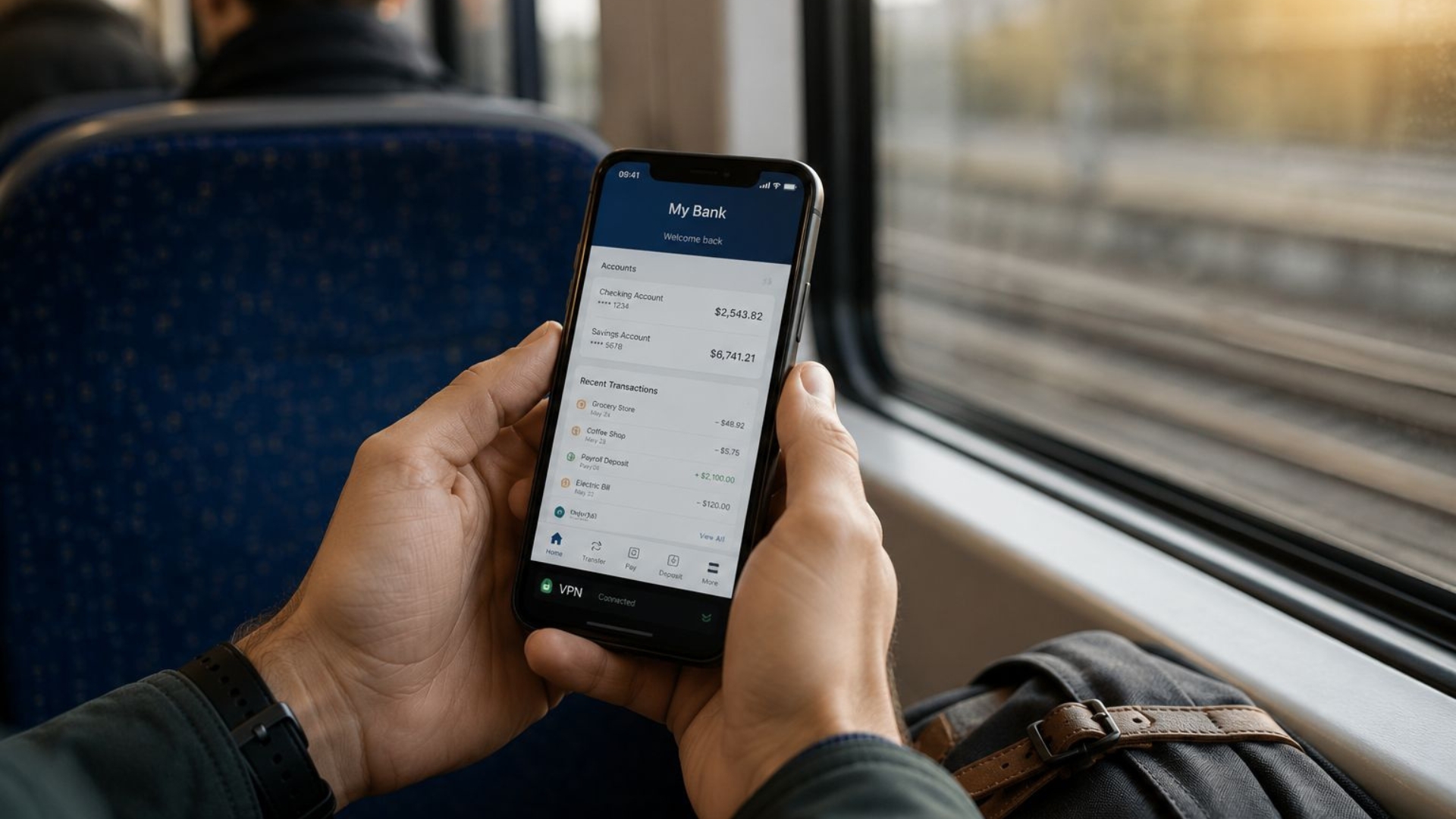
By using AI to operate an encrypted VPN service, these types of connections are able to change both how secure they are (how much encryption) and which way data goes, depending on the level of privacy that is needed for a particular connection. For example: online banking sessions require more security than general surfing.
 VPN For Chrome: Where AI Tools Are Most Visible
Browser extensions are where most people first encounter AI-enhanced VPN features. A VPN For Chrome with built-in threat scoring can flag a suspicious link before a user clicks it, something a standard extension without that layer simply can’t do.
A VPN for extension still lacks control over desktop apps, background services and other software on the device. Mozilla has been upfront about this limitation, noting that even the most robust browser privacy tools don’t provide protection at the OS level. If you are serious about Internet Privacy, you must understand that distinction before assuming a single extension covers all.
For users who want both convenience and coverage, running a VPN for extension alongside a full VPN client closes most of the gap. The extension handles fast, lightweight protection for daily browsing, and the client handles everything else running on the device.
Evaluating a VPN Honestly
Marketing language around “AI-powered” security tools has gotten ahead of the actual technology in plenty of cases. Before trusting any claims, a few questions are worth asking. Has the provider published an independent security audit? Firms like Cure53 perform this kind of testing regularly for security products, and a provider unwilling to undergo one deserves scrutiny.
Is the AI layer embedded in the device or does it have to transmit data to some remote server for analysis? The latter also comes with its own privacy concerns, as sending network data through a third-party model introduces another place where data could be logged or leaked. Transparency in how data is handled is a consistent concern of the Federal Trade Commission’s guidance on commercial surveillance practices, and VPN providers are no exception to that scrutiny, even if they brand themselves as privacy tools.
Encryption standards still matter more than the AI layer sitting on top of them. AES-256, the standard referenced by NIST for protecting sensitive data, remains the baseline any credible VPN should meet regardless of how much machine learning gets bolted on.
The Bottom Line
AI hasn’t changed the basics of what makes a Best VPN trustworthy. No-logs policies, independent audits and strong encryption are still the biggest factors. What AI offers is some level of responsiveness, faster threat detection, smarter routing and more flexible Private Browsing protection that static systems simply can’t match on their own.
If you look at a VPN, consider AI features a bonus, and not a replacement for the basics, for Chrome or a full device. Ask what the AI actually does, where the data goes, and if the company has outside verification for its claims. That’s a more useful filter than any list of features.

