 Follow Us on Google News


 Follow Us on Google Discover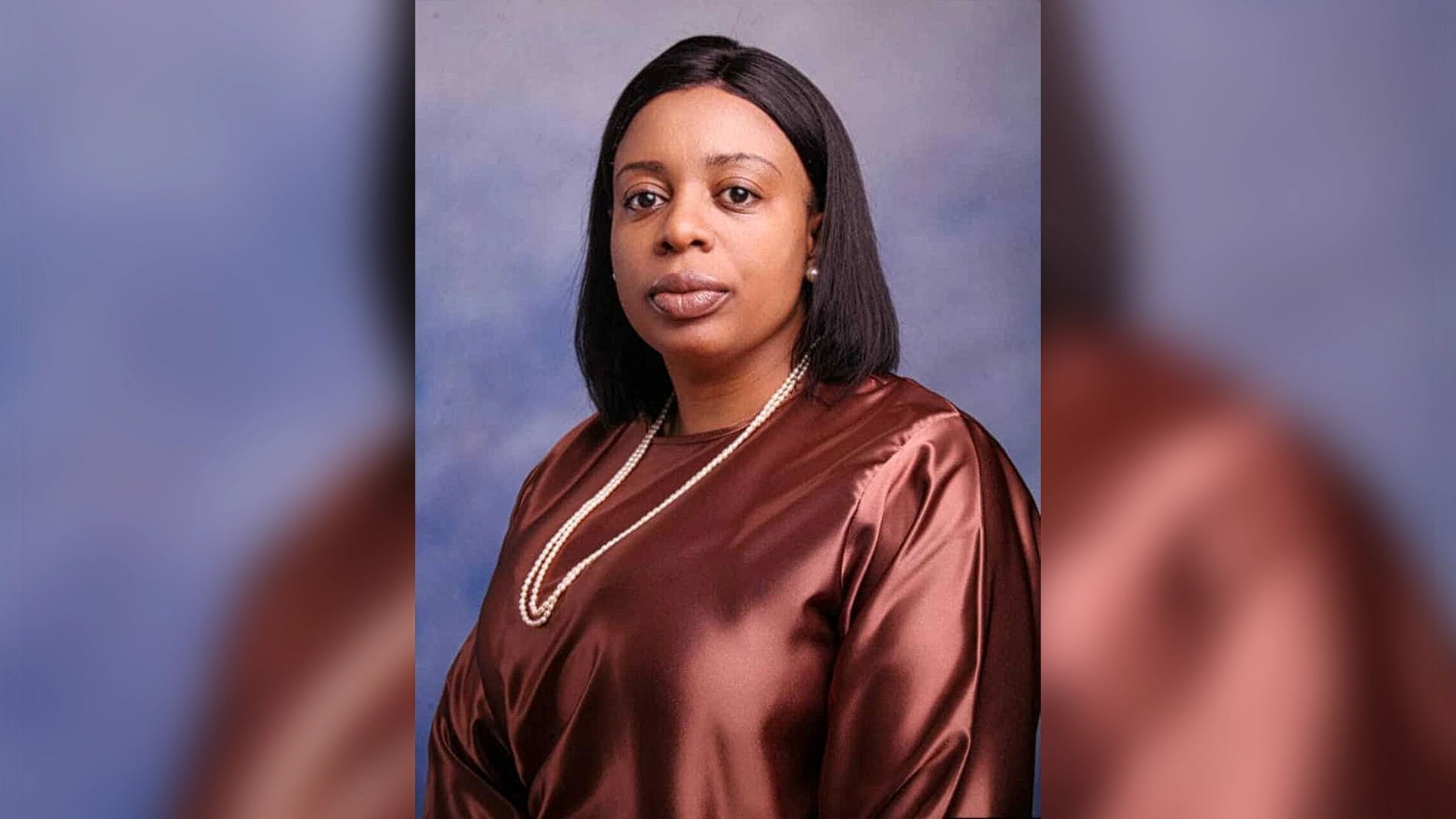
Business, Marketing and Customer Experience leader, Adetola MacGregor-Oshomah has called on organizations to place greater emphasis on their people, arguing that employees remain the most critical driver of business transformation and sustainable growth.
Speaking on the role of people in organizational success, MacGregor-Oshomah said that while technology, processes, and strategy are essential for improving efficiency and enabling scale, they cannot replace the human element that ultimately determines whether organizations succeed or fail.
“People transform organizations. Not technology, not processes, not strategy documents. People,” she said.
According to the organizations across industries continue to invest heavily in digital transformation initiatives, automation, and process redesign, but often overlook the employees responsible for bringing these investments to life.
She noted that even the most sophisticated systems can fail if the people delivering the customer experience are disengaged, unsupported, or unmotivated.
Drawing from her extensive experience leading Contact Centre, Customer Experience, and Service teams across different regions and functions, MacGregor-Oshomah emphasized the strong connection between employee experience and customer satisfaction.

“A happy customer is often the result of a supported employee,” she stated, adding that organizations that empower their workforce are better positioned to deliver exceptional customer experiences and achieve long-term success.
Further stressed the importance of employee listening, noting that frontline staff often possess invaluable insights into operational bottlenecks, customer frustrations, and improvement opportunities that may never appear in management reports or customer surveys.
“The people closest to the work often know where the real challenges exist. They understand the pain points, the workarounds, and the issues that customers face every day. Listening to employees is just as important as listening to customers,” she said.
MacGregor-Oshomah also highlighted the critical role of organizational culture in driving performance, referencing the popular management adage that “culture eats strategy for breakfast.”
According to her, culture is ultimately shaped by people and determines whether strategies succeed or fail.
“People shape behaviours, behaviours shape culture, and culture determines outcomes. Organizations with strong cultures create environments where employees feel ownership, accountability, and pride in what they do,” she noted.
She urged business leaders to go beyond developing strategies and implementing systems by creating workplaces where employees can thrive, contribute meaningfully, and take ownership of organizational goals.
“As organizations continue to pursue growth and innovation, leaders must ask themselves whether they are investing in their people with the same commitment that they invest in technology and strategy. The answer to that question may well determine their future success,” she said.
MacGregor-Oshomah is a seasoned Business, Marketing and Customer Experience leader with extensive experience in customer experience, service transformation, brand management, and organizational leadership.
Further stressed the importance of employee listening, noting that frontline staff often possess invaluable insights into operational bottlenecks, customer frustrations, and improvement opportunities that may never appear in management reports or customer surveys.
“The people closest to the work often know where the real challenges exist. They understand the pain points, the workarounds, and the issues that customers face every day. Listening to employees is just as important as listening to customers,” she said.
MacGregor-Oshomah also highlighted the critical role of organizational culture in driving performance, referencing the popular management adage that “culture eats strategy for breakfast.”
According to her, culture is ultimately shaped by people and determines whether strategies succeed or fail.
“People shape behaviours, behaviours shape culture, and culture determines outcomes. Organizations with strong cultures create environments where employees feel ownership, accountability, and pride in what they do,” she noted.
She urged business leaders to go beyond developing strategies and implementing systems by creating workplaces where employees can thrive, contribute meaningfully, and take ownership of organizational goals.
“As organizations continue to pursue growth and innovation, leaders must ask themselves whether they are investing in their people with the same commitment that they invest in technology and strategy. The answer to that question may well determine their future success,” she said.
MacGregor-Oshomah is a seasoned Business, Marketing and Customer Experience leader with extensive experience in customer experience , service transformation, brand management, and organizational leadership.

