 Follow Us on Google News



 Follow Us on Google Discover
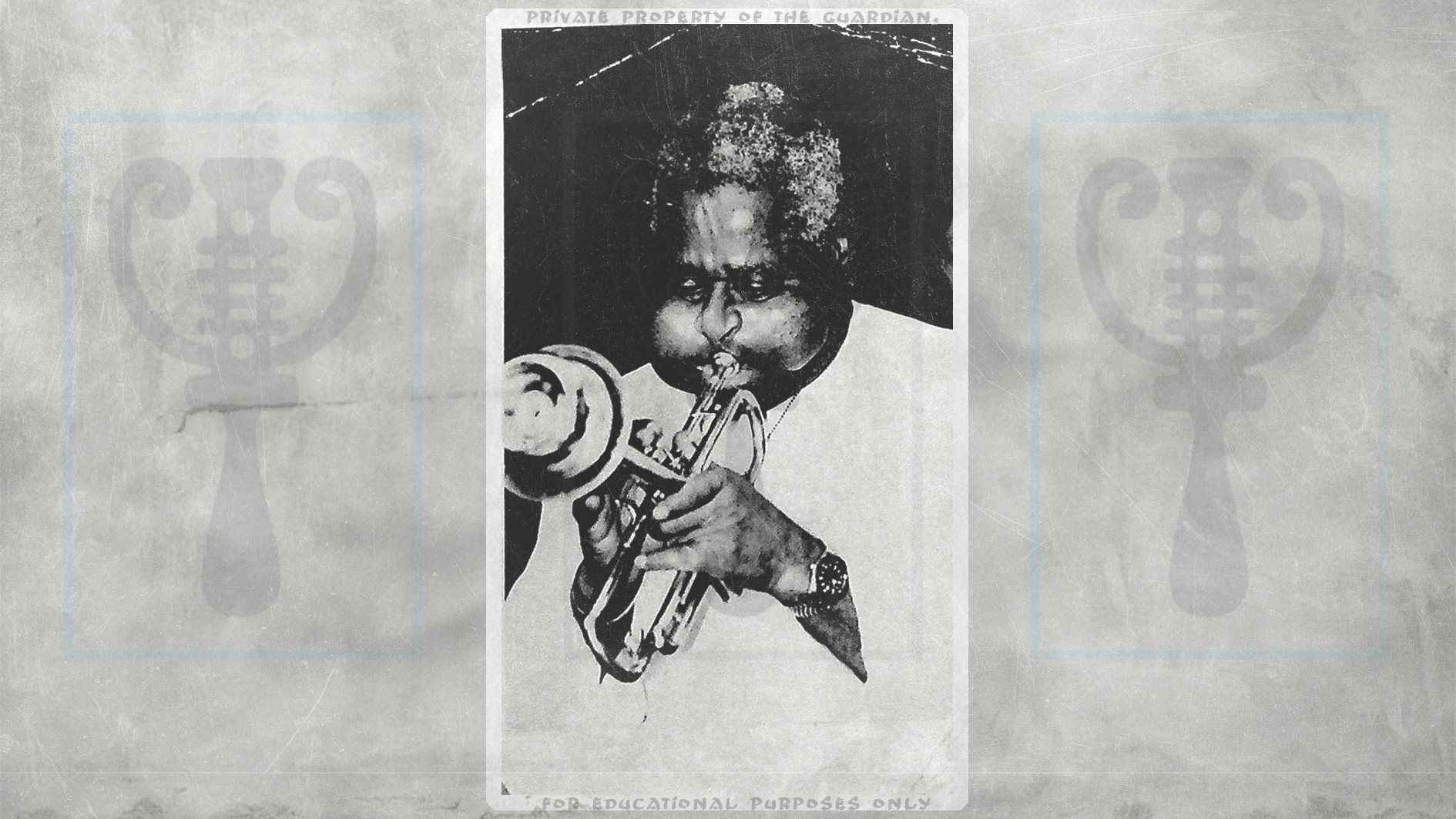
Imagine walking into a dim, smoky music lounge in the heart of Lagos on a Friday night. The air is warm, the crowd is relaxed, and suddenly, a horn player steps onto the stage. Instead of the heavy, rhythmic thumping of Afrobeats or the familiar grooves of classic highlife, the air splits open with incredibly fast, complex, and unpredictable trumpet notes. It is jazz, sharp, energetic, and completely mesmerising. Today, Nigeria enjoys a thriving, sophisticated jazz community that gathers annually for festivals and international celebrations.
The bond between American jazz and Nigerian soil goes far deeper than a standard concert. It includes a moment when one of the greatest musicians in human history traded his American suit for a traditional Yoruba crown.
That man was the legendary Dizzy Gillespie.
Throwback images from The Guardian Nigeria remind us that music has no borders. A look at Gillespie’s revolutionary musical style, his signature look, and the unforgettable moment he became a Nigerian traditional chief explains how a boy from South Carolina became royalty in West Africa.
The rebel who invented bebop
The global jazz legend John Birks, popularly known as Dizzy Gillespie, was born in the United States in 1917; he grew up during an era when jazz was played by large swing orchestras. It was music designed strictly for people to dance to in grand ballrooms. It was smooth, highly structured, and predictable.
But Gillespie was a rebel. Alongside his close friend and partner, the saxophonist Charlie “Bird” Parker, he decided to tear up the old rulebook. In the 1940s, they invented a brand-new style of jazz called Bebop.
Bebop was not designed for casual dancing; it was designed for intense listening. It featured blistering tempos, massive harmonic complexity, and wild, unexpected chords that left audiences completely breathless. Gillespie pushed the technical limits of the trumpet further than anyone had ever dreamed possible, playing notes so fast and high that other musicians thought it was magic. He single-handedly turned jazz from popular dance music into a high-art form of intellectual expression.
Puffed cheeks and a bent trumpet
Beyond his incredible speed, Gillespie became a global icon because of his unforgettable physical appearance on stage. An archival photograph of him playing will immediately draw your eyes to two things: his cheeks and his horn.
Whenever he blew into his trumpet, his cheeks would balloon outward to an unbelievable size, looking like two oversized pockets filled with air. While classical music instructors screamed that this technique was completely wrong and would ruin his muscles, Gillespie ignored them and kept doing it his own way.
Even more famous was his trumpet itself. In 1953, during a backstage accident at a party, someone accidentally fell on his trumpet stand, bending the bell of his horn upward at a sharp 45-degree angle. Instead of throwing the damaged instrument away, Gillespie picked it up and played it. He discovered that the bent bell actually directed the sound closer to his ears and gave the trumpet a unique, softer tone that he absolutely loved. From that day on, he ordered custom-made trumpets with bent bells, creating a visual trademark that was recognised across the globe.
Becoming a Yoruba Chief
Throughout his career, Gillespie was deeply fascinated by African rhythms. He was a pioneer in mixing jazz with Afro-Cuban and Latin percussion, constantly looking for ways to reconnect his music with its ancestral African roots.
In January 1989, that lifelong dream came full circle. Under a special cultural exchange program, theageingg jazz master embarked on a historic tour of Africa. He travelled through Egypt, Morocco, Senegal, and Zaire, before finally landing in Nigeria.
His arrival in Nigeria was treated with the highest state dignity. But the emotional peak of the trip did not happen on a stadium stage in Lagos. It happened in the historic town of Iperu, located in Ogun State.
