 Follow Us on Google News



 Follow Us on Google Discover
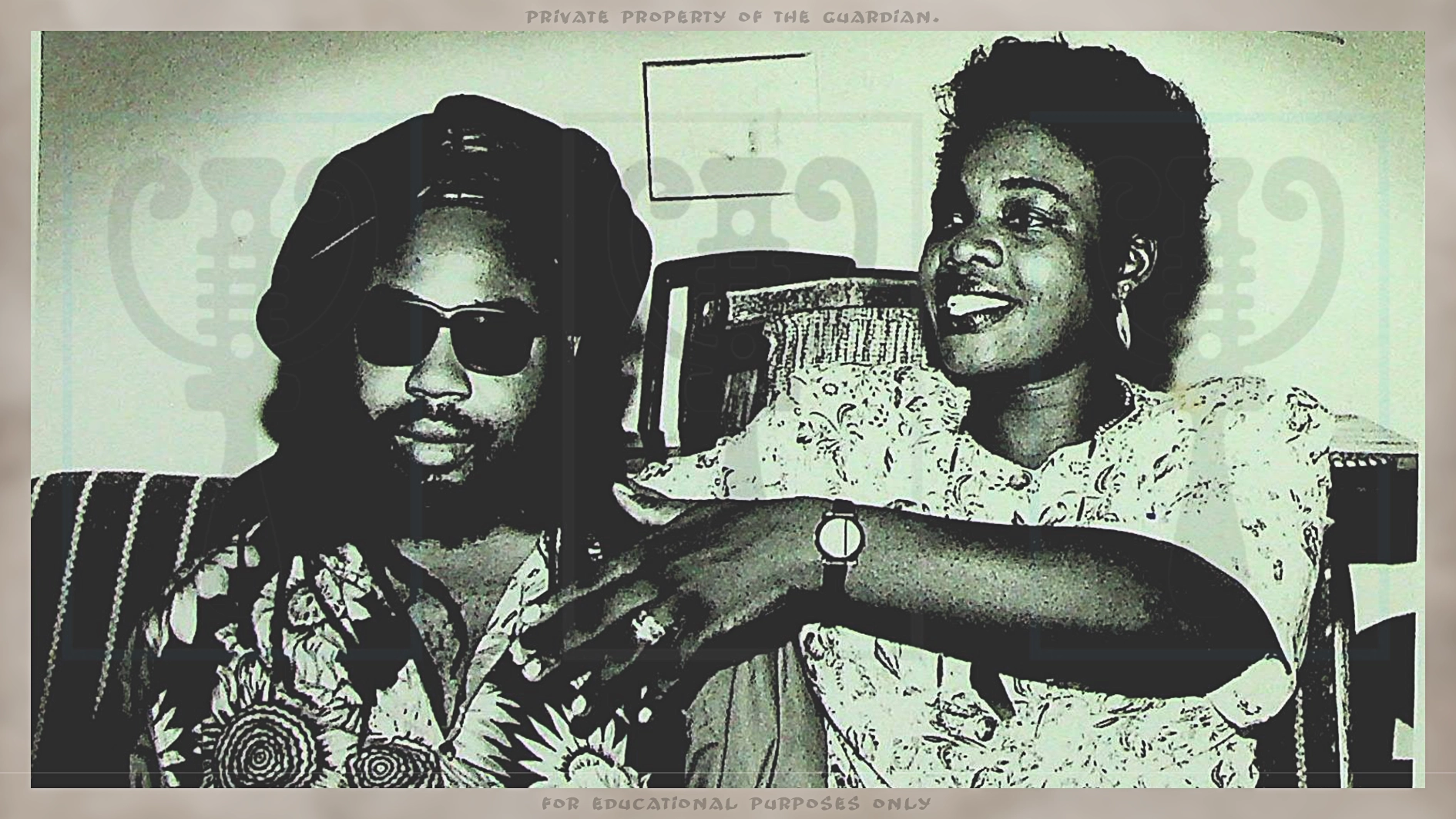
What does it take to become the voice of a struggling nation without ever losing your rhythm or your values? If you look at the Nigerian music industry today, you will see a billion-naira industry filled with glamorous music videos, expensive cars, and songs about wealth. It has become a global movement. But, if you travel back in time through in time, you will find a completely different kind of music star. You will discover a man who did not care about showing off luxury, but spent his entire life fighting for the ordinary citizen.
That man was Oseloke Augustine Onwubuya, popularly known to millions of music lovers across Africa as Ras Kimono. Known widely as the “Rub-a-Dub Master,” Ras Kimono was one of the most explosive, socially conscious, and unique figures in West African entertainment history.
Archival records and photographs remind us of his incredible impact on the country’s collective memory. By weaving together his humble beginnings, his strict personal choices, his massive musical success, and his political messages, we see how a boy from Delta State impacted Nigerian airwaves forever.
The Journey
Long before he filled stadiums and sold out music venues across the globe, Ras Kimono was a young man struggling to make a living in the competitive, chaotic streets of Lagos. He moved from his hometown in Delta State to the nation’s commercial capital during the late 1970s. Lagos was alive with nightlife, highlife music, and emerging urban sounds.
To survive, the young musician took on various jobs. One of his most notable early roles was working as a “selector”, the local term for a disc jockey (DJ) at the Floating Boathouse. The Floating Boathouse was a famous docked ship at the Lagos Marina that served as a popular restaurant, bar, and nightlife destination in the 1980s.
It was on this floating dancefloor that Ras Kimono sharpened his musical ear. He learned exactly what rhythms made the public move. He used the space to practice his unique style of “toasting”, rhythmic chanting over reggae beats.
His time at the marina allowed him to form vital connections. He later joined forces with other talented, hungry young musicians like Majek Fashek and Amos McRoy to form a reggae group called The Jastix. While the group eventually parted ways to allow each member to chase solo success, the brotherhood and musical training they shared laid the foundation for the golden age of Nigerian reggae.
1989 and release of “Under Pressure”
By the late 1980s, Nigeria was going through an incredibly difficult political and economic era. The military regime of General Ibrahim Babangida had introduced harsh economic adjustments that caused inflation to soar and left ordinary citizens struggling to afford basic meals. The nation was filled with frustration and anxiety.
It was precisely during this dark time, in 1989, that Ras Kimono released his debut solo album under the Premier Music label. The album was titled Under Pressure.
The reaction from the public was instantaneous. The title track, with its heavy bassline and iconic opening chant, became an overnight national anthem. When Kimono sang the words, “Under pressure, Nigerians under pressure,” he was not just making music; he was reporting the live reality of the streets.
The album featured legendary tracks like “Rum-Bar Stylée” and “Natty Get Jail,” selling over 100,000 copies almost immediately. People danced to the songs in beer parlours, market stalls, and luxury homes alike. Ras Kimono had achieved something unique; he took the deep pain of a nation and packaged it into a rhythm that made people dance while they reflected on their reality.
In the entertainment world, it is common to assume that rockstars and reggae artists live reckless lives. Many associate the reggae genre with heavy smoking, drinking, and late-night partying. However, Ras Kimono completely shattered this stereotype.
The Rub-a-Dub Master lived a life of strict discipline and purity. He kept his iconic, massive dreadlocks.
