 Follow Us on Google News
 Follow Us on Google Discover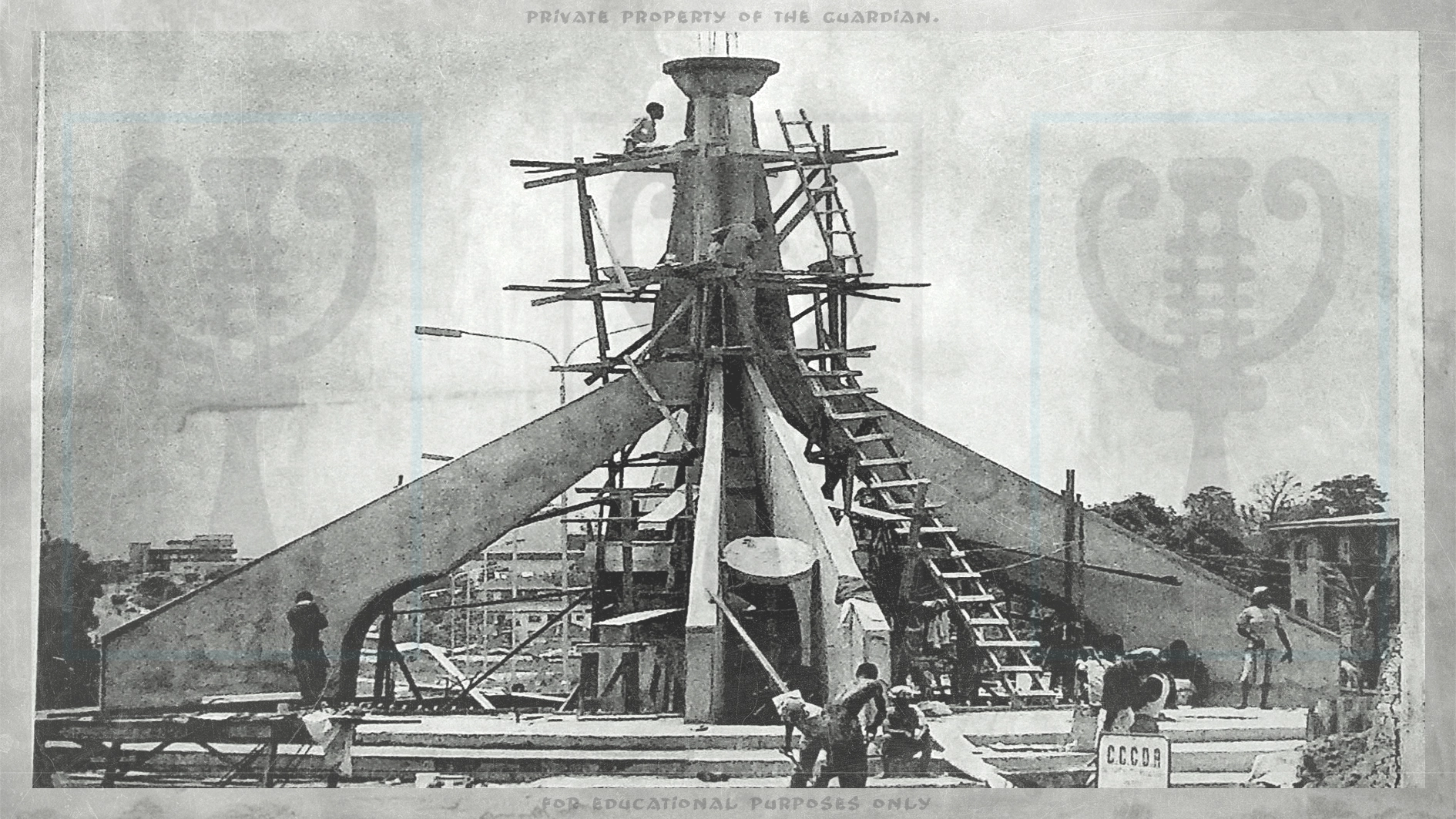
The Mary Slessor Roundabout is a major landmark named after the famous Scottish missionary Mary Slessor, located in Calabar, Cross River State, Nigeria.
Photos from the archive show heavy earth-moving equipment and laborers working on the Mary Slessor Roundabout. The project was being rushed to completion in anticipation of an official presidential visit to the State.
This image records a routine moment of urban road construction. Yet, looking back thirty-five years later, the image captures something far deeper: the intersection of modern infrastructure, civic memory, and one of the most compelling historical legacies in South-South Nigeria.
A Monument Built on Mercy
Long before the bulldozers laid asphalt in 1991, the name Mary Slessor was already etched into the cultural identity of Calabar. Arriving in the region from Scotland in 1876, Slessor spent nearly four decades living, working, and leading within the local Efik and Ibibio communities.
Unlike many European figures of the colonial era, Slessor lived directly among the people. She learned the Efik language fluently, adopted local customs, and wore traditional attire. Her most significant impact was her fearless campaign against the traditional practice of infanticide involving twins. In the late 19th century, local belief held that twins were a dangerous omen. Slessor personally rescued, protected, and raised dozens of abandoned infants in her home, ultimately shifting public opinion and helping to end the practice across the region.
Her influence extended into community leadership and governance. Recognized for her fairness and deep understanding of local laws, she was appointed as the first female Vice-Consul and magistrate in the Okoyong and Itu regions. She presided over customary courts, mediated land disputes, and worked tirelessly to expand access to healthcare and education for women and young girls.
When town planners chose to name a major junction along Marian Road after Mary Slessor, they were doing more than marking a turn in the road; they were anchoring a historic legacy of compassion and public service to the everyday life of the city.
The 1991 construction of the Mary Slessor Roundabout reflects a broader trend in Nigerian urban development during the late 20th century. During the 1980s and 1990s, military and civilian administrations across the country made a conscious effort to name major thoroughfares, bridges, and public squares after prominent historic figures.
In Lagos, Abuja, Enugu, and Calabar, civic monuments were designed to serve two purposes: to modernize public transport networks and to teach national history to everyday citizens. A worker commuting past a roundabout or a student walking along an avenue was constantly reminded of the leaders, reformers, and heroes who shaped their society.
In Calabar, naming the roundabout after Slessor preserved her memory in the daily lives of residents who might never read a formal history book, ensuring her story remained alive across generations.
From Construction Site to Urban Hub
Today, what was once a dusty construction zone ahead of a presidential visit is now a bustling, permanent landmark in central Calabar.
The Mary Slessor Roundabout serves as a crucial transit hub connecting Marian Road to major commercial, educational, and government districts across the city. Daily, thousands of taxis, buses, commuters, and students from the nearby University of Calabar navigate the junction. The area surrounding the roundabout has grown into a vibrant commercial zone, filled with shops, local businesses, and street life.
Despite decades of urban expansion, the roundabout remains a distinct point of reference for residents and visitors alike. It stands as a physical reminder that while cities continuously build, pave, and expand, the values of humanity, courage, and service represented by Mary Slessor remain firmly rooted at the heart of Calabar.
