 Follow Us on Google News
 Follow Us on Google Discover
Long before the modern “alté” movement swept through the Nigerian fashion industry, and decades before global conversations about gender fluidity went popular, there was Charles Chukwuemeka Oputa. Known to millions of Nigerians as Charly Boy, or the “Area Fada,” he remains one of the most talked about and rebellious figures in the history of national pop culture. Our look into the archives this week brings us face-to-face with the imagery that shocked a conservative nation and permanently altered what it means to be a celebrity in Nigeria.
From the Bench to the Bike
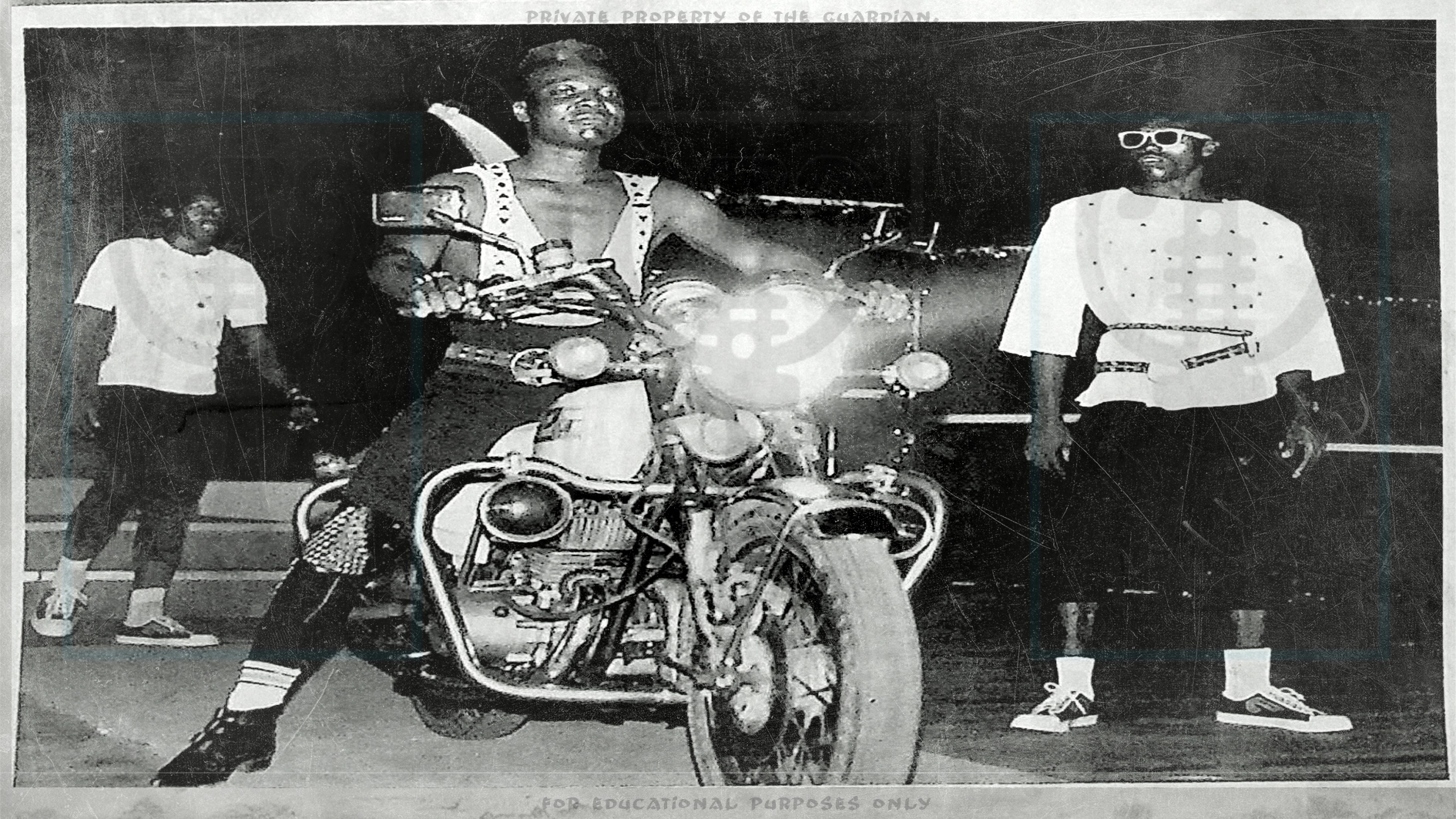
Charly Boy’s emerged in the late 1980s and early 1990s. Born into the highly distinguished and respected Oputa family. His father being the famous Supreme Court Justice Chukwudifu Oputa. Charles was expected to follow a traditional, elite path. He did travel to the United States to study, earning a degree in communications. However, upon his return to Nigeria, he consciously chose to reject the courtroom for something entirely unexpected.
He did not just enter the limelight; he smashed his way into it. Turning his back on a comfortable life in high society, he built an alter ego designed to shock. Through his music, his bold television appearances, and his ability to get people talking, Charly Boy became a household name. He proved that fame in the Nigerian media space did not always require compliance; it could be achieved through rebellion.
Charly Boy’s fashion style was so controversial. His wardrobe was a mix of punk rock and heavy metal aesthetics. He wore heavy leather jackets adorned with metal studs, massive combat boots, and dark sunglasses. It was a look that showed he ruled the streets.
At the same time, Charly Boy was experimenting with fashion in a way Nigeria had never seen before. As captured in the archival portrait, he regularly wore his hair in neat braids, donned heavy eyeliner, and painted his fingernails.
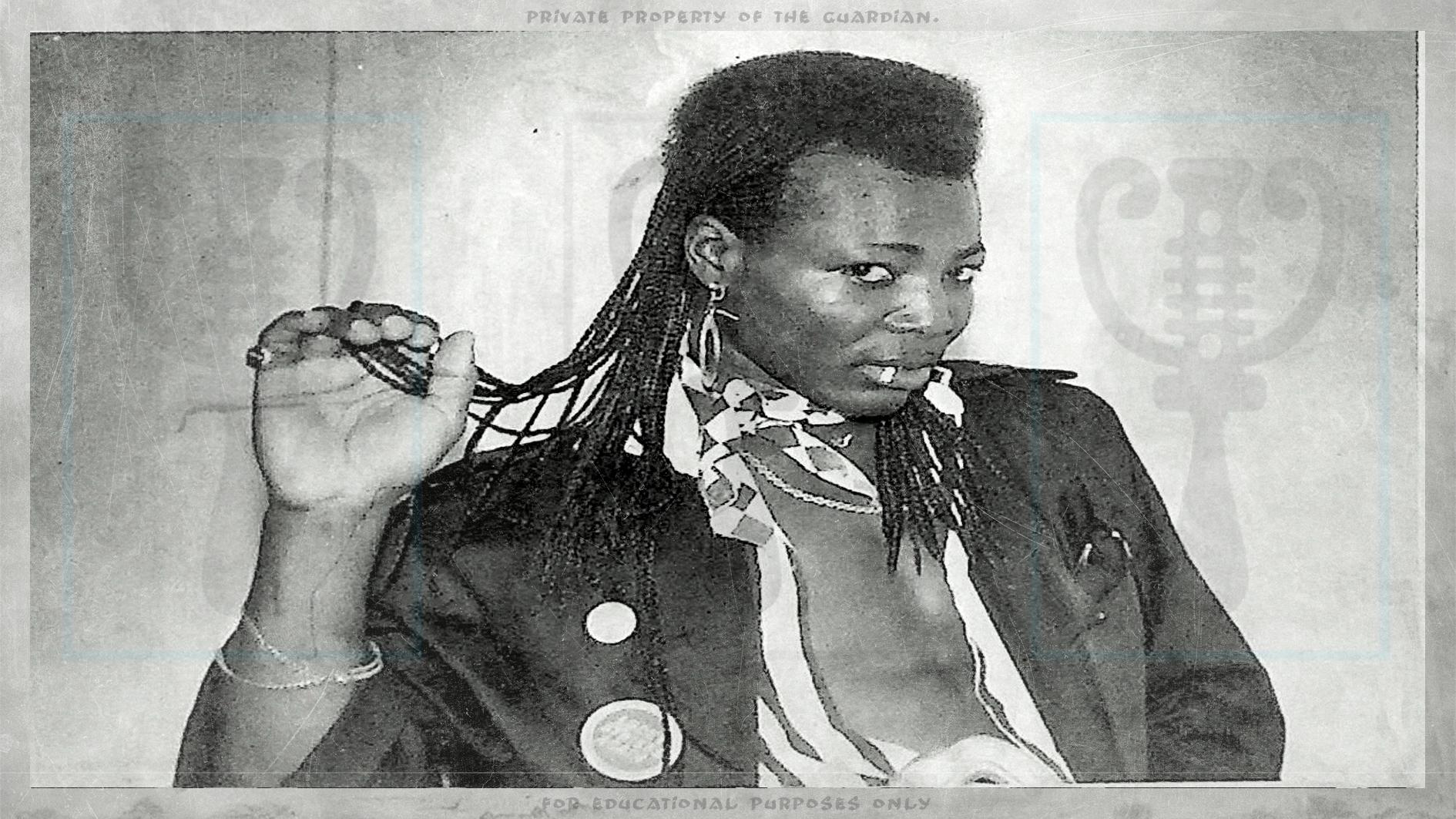
In a society with rigid, traditional definitions of what a man should look like, this was revolutionary. He changed the status quo by demonstrating that a man could embrace makeup and fluid styling without losing his grip on the streets. He did not hide his softer aesthetic choices; he weaponised them, he used it to show that true strength comes from being yourself, not from satisfying society.
Beside Charly Boy was his wife, Diana Oputa, known to the public as Lady Di. Their relationship was not just a marriage; it was a creative partnership that fueled the Charly Boy brand. In an era when women were expected to marry conventional men, Diana embraced the chaos, matching his energy step-for-step with her own bold fashion and punk-inspired presence.
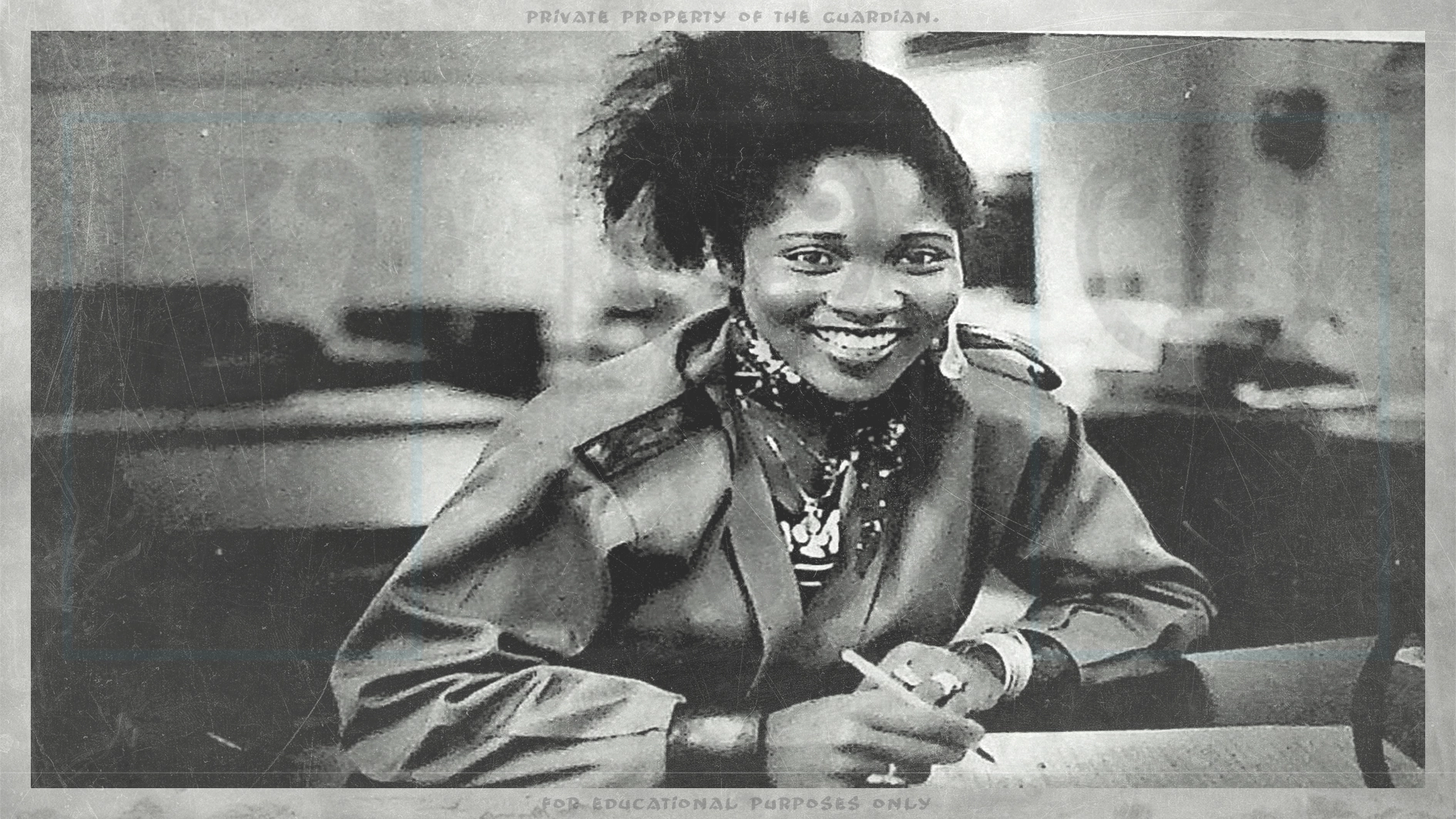
Diana was the anchor behind the scenes and a fierce co-pilot on the streets. Her presence beside him helped the public accept his shocking look, because it showed Nigerians that their wild lifestyle was built on deep love, respect, and a shared artistic vision.
Together, they presented a united front, proving that true partnership meant breaking the rules together.
In the late 80s and 90s, during a time of intense political tension and oppressive military regimes, these heavy motorcycles were far more than expensive toys or performance props. They were symbols of speed, freedom, and raw defiance.
Charly Boy used his heavy-riding persona to become a literal and figurative voice for the voiceless. He rode into the heart of political protests, championed the rights of ordinary citizens, and stood firmly behind the city’s okada (commercial motorcycle) riders. The roaring engine of his bike became a soundtrack for the oppressed.
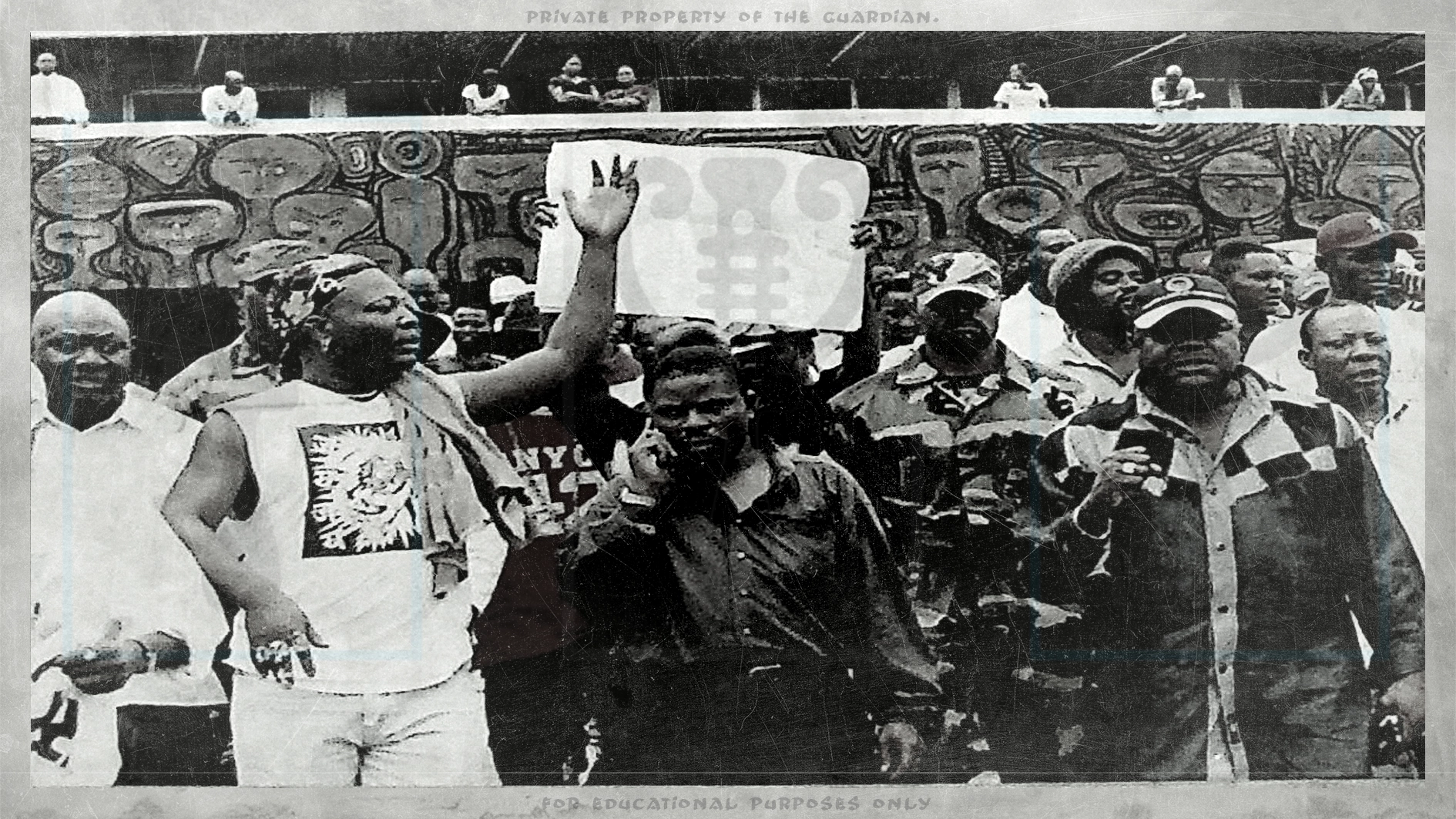
Looking back at these black-and-white archive photos today, we see more than just old entertainment pictures. We see the blueprint of modern Nigerian stardom. Alongside Diana, Charly Boy taught the nation that fashion could be a protest, celebrity could be a shield for the vulnerable, and an individual could completely rewrite the rules of culture simply by refusing to bend.
