 Follow Us on Google News
 Follow Us on Google Discover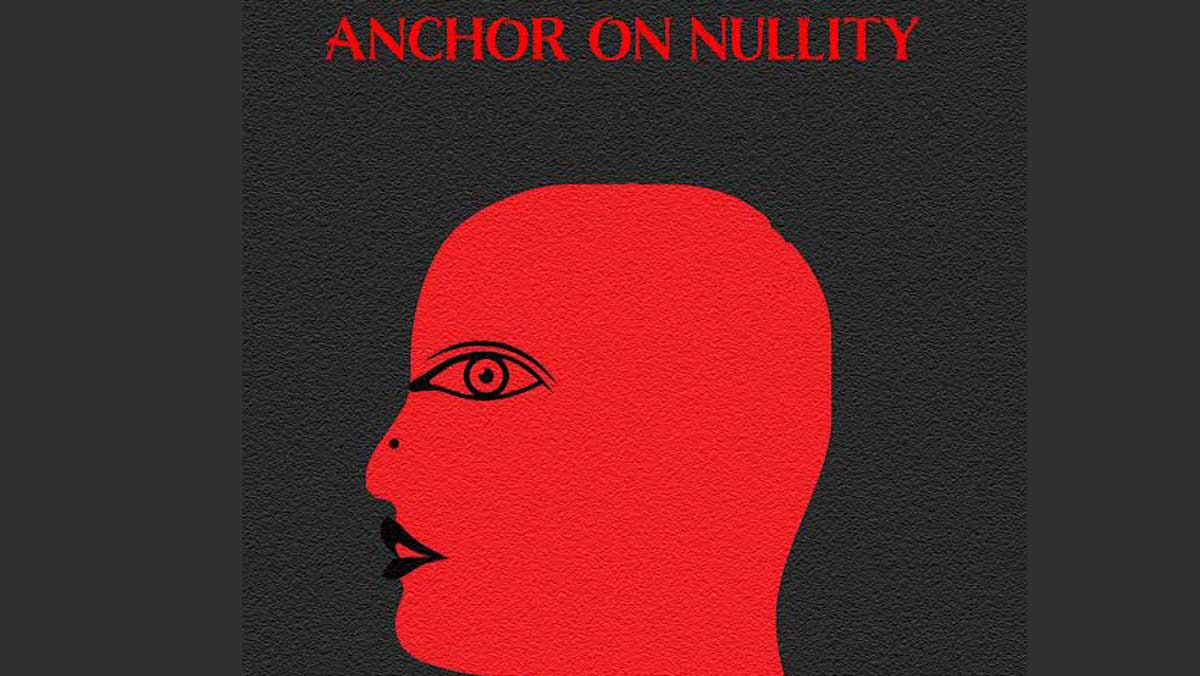

Emmanuel Oke’s new book, Anchor on Nullity, is a collection of short, interesting and unapologetically didactic stories, which deal with a range of themes on the human experience.
From love, romance, betrayals, greed, avarice, delinquency, infantilism, indolence, negligence, false ambitions and other vices, the UK-based literary activist’s latest offering weaves intriguing tales, which teach the moral that there is no alternative to virtuousness, faithfulness, contentment, diligence and integrity!
The author, in 19 disparate narratives, some of them fabulous and others almost blurring the divides between realism and fiction, shows the immutable action and irrevocable effect of the working of the dreaded Law of Karma, whereby the various characters – villains or heroes therein ended up reaping the consequences of their (mis)deeds. Although, it offers great lessons for persons of different ages and pragmatic solutions to family and relationship problems, the anthology is evidently aimed at young people just starting out in life to enable them avoid landmines and make reasonable choices for a happy and fulfilled existence.
[ad]
The theme story, Anchor on Nullity, exemplifies this point. It tells of how Toye, the eldest of a wealthy businessman became disappointed, poor and miserable after his father died, leaving him no inheritance. He alone, of the Agbabiaka’s children, had failed to heed the old man’s admonition to work hard in order to succeed in life. Unlike his father, who, having been orphaned at seven-year-old, had to fend for himself to make it, Toye lived an arrogant, carefree lifestyle of an indulged child of the rich. He realises rather late that success comes with toil and sacrifice, as he lost all, while his other siblings have become established and are making progress in various professional and business careers.
In Nemesis, Chief Benson, an unscrupulous building contractor, paid dearly for habitually profiteering from building substandard structures when, at first, he fell out of favour with a new government, leading to the collapse and ruining of his business.
He was later rendered homeless after an ill-constructed apartment he rented also collapsed, it turned out the house was built by his company.
Contentment is about James, a dutiful civil servant, who, envious of Dare, his below average but apparently well-to-do office colleague, joins the latter in a secret drug trade, the source of the latter’s mysterious wealth. They both were caught and jailed.

In Till Death Do Us Part, the perseverance and steadfast love of Kunle and Titilayo for each other after many years of childless marriage, paid off as Titilayo was eventually blessed with children. The love between the couple had been put to test by a medical report that ruled out the possibility of Titilayo getting pregnant as a result of an accident, which damaged her womb. The doctors’ verdict confronted Kunle, whose education had been sponsored by his wife’s parent because of his poor background, with the typical fight or flee dilemma. But love won, as he sticks to his wife who miraculously conceived and bore him children.
In contrast, Mr. and later Dr. Dennis paid dearly for betraying his wife who encouraged and sacrificed for him to be educated. In Harrowing Reward of Disloyalty, he neglects the woman and engages in infidelity and amorous relationship with other women including his students at the university where he lectures. He soon crashed and fell after being indicted in a sex-for-marks scandal!
[ad]
Kemi, a local sewing mistress who dumps her fiance on the eve of their wedding after being wooed to marry her elderly neighbour’s son, based in Germany, also got rewarded for her unfaithfulness in Greediness. After the wedlock, the reluctant groom abandons her in Nigeria and returns to Germany where he is already engaged to another woman. Kemi practically became a housemaid, running errands and doing all the house chores for her mother-in-law for many years.
Similar theme echoes in Anguish of Betrayal, where two lovers plotted and deceived a rich, young man into marrying the lady in order to fleece him of his wealth. Dumping their initial plan to murder him, they got their victim jailed by framing him up on illicit possession of firearms and drug crimes. But the man returns from prison and shoots them dead after their evil scheme is exposed.
Oke writes in simple, easy to understand English, apparently because of the age of his target audience. In spite of, or perhaps, because of this very factor, the author would do well to review and elevate the quality of expressions and vocabulary beyond the common everyday phraseology in which the book is written. This is necessary not only to add literary value to it but also to help improve the reader’s use of the language – a purpose any good work of literature should serve.
In this connection, the book would also benefit from further editing to clean up some typos. Despite these shortcomings, Anchor on Nullity, is a fascinating panorama of short, crisp and engaging stories, some of them with qualities and plots capable of being developed and adapted into full screen plays.
It underscores Oke’s imaginativeness in using the story telling craft to address social sensitivities and concerns.
[ad]

