 Follow Us on Google News
 Follow Us on Google Discover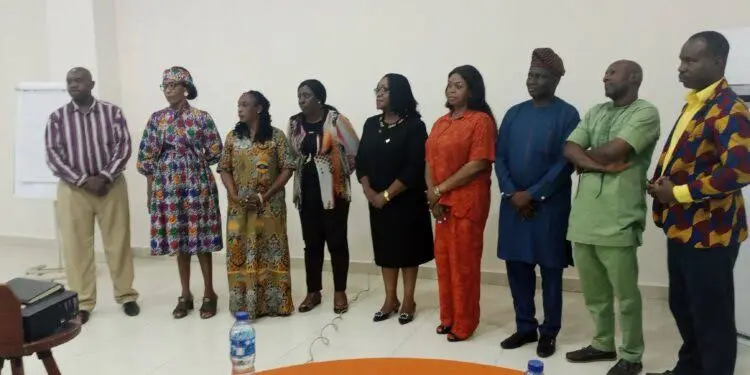
The federal government, through the support of WaterAid Nigeria, has set up a sub-committee to review the Sanitation and Hygiene component in the national Water, Sanitation and Hygiene policy
[ad]
The Director of Water Supply and Support Service Federal Ministry of Water and Sanitation Dr Dumebi Madu while s
Inaugurating the sub committee yesterday in Abuja said the aim was to update the National WASH policy so as to have a robust and comprehensive policy.
The committee members drawn from the federal ministries of Water Resources, Environment and Health are expected to look into the WASH policy and accommodate other components.
The Director who is also the Chairman of the National Development committee on WASH policy noted they have realised the need to bring Sanitation and hygiene to the same level as water supply, saying the global WASH committee had thought it wise to have a sub-committee on sanitation to have additional time to talk more robustly on sanitation and hygiene issues to support the main committee
[ad]
He disclosed that the National WASH Committee is made up of people from MDAs, civil societies, and donor organisations, saying they have ensured that every necessary organisation is brought on board to discuss WASH to ensure that any document developed will benefit all and sundry.
The Director of Water Quality Control, Mrs. Elizabeth Ugo, stated that the subcommittee will specifically deliberate on sanitation and hygiene so as to come up with points that will feed into the WASH policy.
She pointed out that sanitation and hygiene is similar to preventive health, as when one has proper sanitation practises, visits to hospitals will be reduced, the workforce will be ready to work and it it tell on the economic development of the nation.
The head of advocacy, policy and communication at WaterAid Nigeria, Mr Kolawole Banwo maintained that Water sanitation and hygiene are human rights issues and developmental issues, saying WASH is very critical for both water supply, sanitation and hygiene.
[ad]
He said the sub committee is important given that people are more conversant with water supply than sanitation and hygiene, saying people are yet to realise that women cannot use just any toilet as additional resources are need to construct toilets that women can use during their menstrual cycle as well where nursing mothers can effectively change their baby’s diaper
Moreso, toilet built for people with disabilities must be such that they will accommodate their rights, saying the subcommittee is to interrogate such issues so that the national WASH policy being developed properly aggregate those robust issues to be policy issues.
[ad]

