 Follow Us on Google News


 Follow Us on Google Discover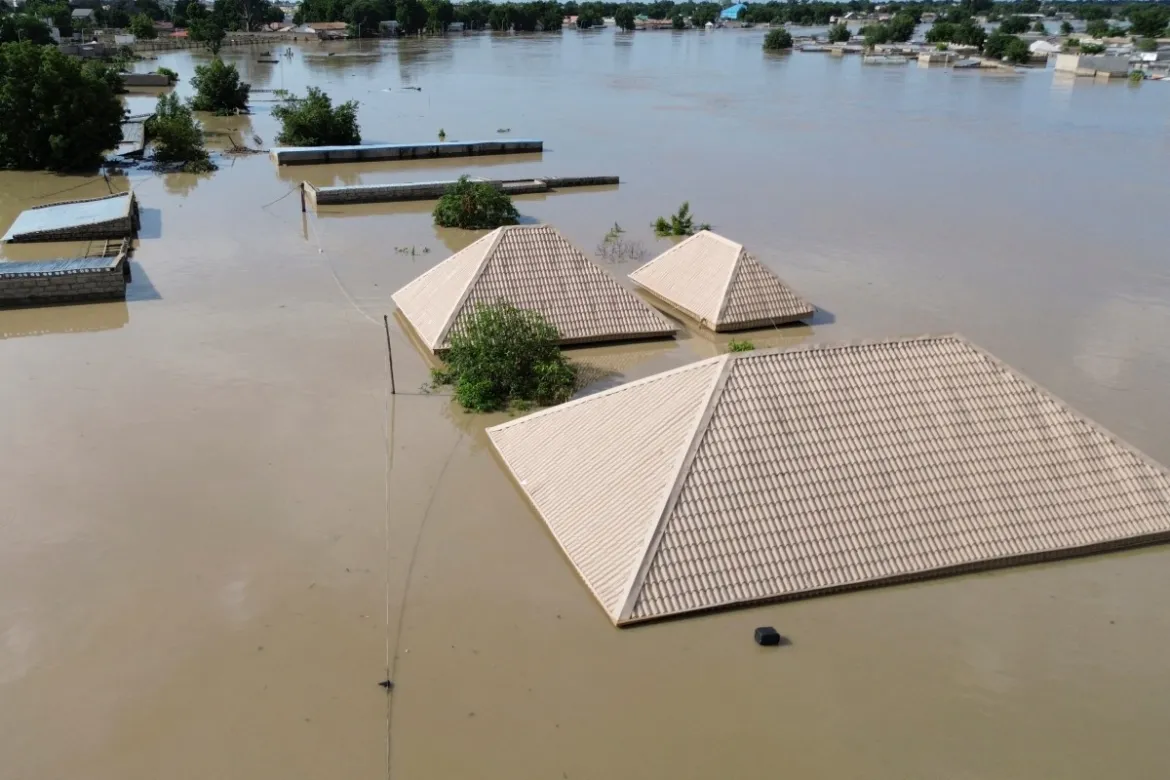
Maiduguri is submerged. Whether the cause was the overflow of the Ngadda River or the collapse of the Alau Dam, what’s clear is that a significant part of the city now lies beneath water.
Amos Alao, a Landscape Architect and Urban Planner noted that vast sections of the city now sit underwater, with many residents stranded on rooftops for days without access to food or clean water. Children suffer from running noses, pneumonia, headaches and the unshakable fear of uncertainty.
[ad]
Septic tanks have spilled into the floodwaters, polluting what little remains of drinkable water. Food stored in silos and warehouses meant for emergencies now lies submerged, rotting beneath the surface. Farmlands, stores, and offices are destroyed, with essential telecommunications and computer hardware ruined beyond repair.
Alao said that Reptiles and rodents that couldn’t escape early have perished, while amphibians, which should thrive in water, now swim in toxic, sewage-infested waters. The ripple effect is staggering—whole colonies of ants, butterflies, caterpillars, and grasshoppers washed away, their ecosystems obliterated.
Valuable property, including cars submerged and wrecked by the rising waters, is gone. Petrol and diesel tanks leak their contents into the currents, contaminating the land and water further. What is most intriguing is how this disaster renders personal wealth useless—money saved in homes and banks is now drenched, money safes proving to be water-resistant, not waterproof.
The urban planner stressed that families displaced by the flood, many with elderly relatives needing care or medication, are now cut off from help and attention. Children are the most vulnerable, facing hunger, disease, and trauma, while the city’s infrastructure crumbles under the weight of water and destruction.
[ad]
In the blink of an eye, entire communities are transformed into internally displaced persons (IDPs), as both the environment and mental health suffer under the pressure of this calamity.
Alao added that Maiduguri is enduring a disaster of colossal proportions, and its impact will be felt for generations to come. This is a stark reminder of the fragility of human and environmental balance—when it breaks, the consequences are harrowing.
[ad]


