 Follow Us on Google News
 Follow Us on Google Discover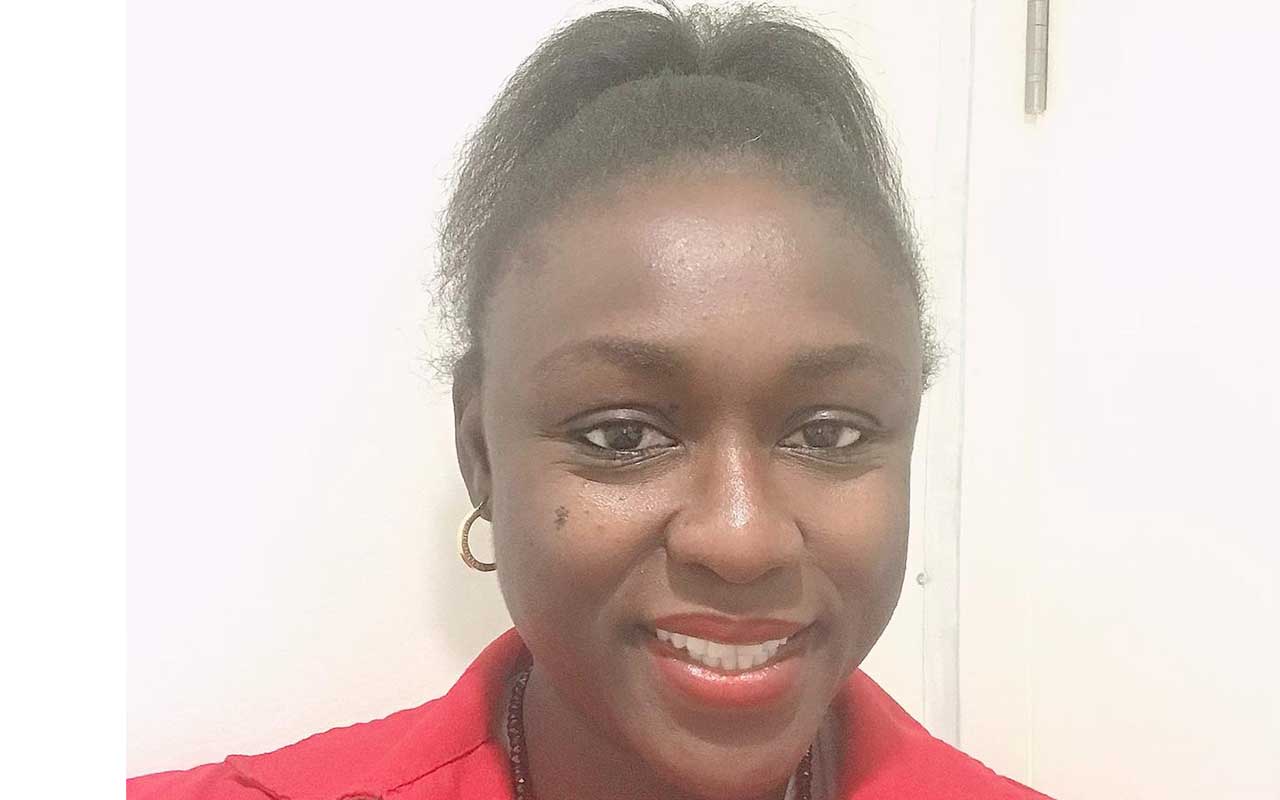
 A highly skilled and visionary engineer with over 10 years of upstream oil and gas experience, Tari Elete has led the Front End and Detailed Design of process automation and control projects, along with commissioning, start-up, and asset reliability/support. She excels in project execution planning, contract and contractor management, and budgetary control, with a meticulous attention to detail. Throughout her career, Tari has consistently demonstrated leadership in complex engineering projects across Nigeria and globally. In this interview, she speaks on her commitment to operational excellence which has enhanced operational performance and production capacity.
You have an impressive career in engineering. What inspired you to pursue this field, and how has your journey shaped your approach to innovation in the oil and gas industry?
My fascination with technology and its potential to solve complex challenges began during my childhood. Growing up, I was always intrigued by how engineering shapes the world around us, particularly in energy and infrastructure. This passion led me to pursue a degree in Electrical Engineering, where I graduated among the top 5% of my class. Over the years, I’ve had the privilege of working on groundbreaking projects at Shell and other organizations, which have honed my ability to identify problems and craft solutions that balance efficiency, safety, and sustainability. My journey has been one of continuous learning, driven by a commitment to push boundaries and redefine what’s possible in energy systems.
Could you share some pivotal projects that defined your career?
One of the most defining projects of my career was leading the commissioning of several Nigeria Liquefied Natural Gas (NLNG) supply projects, contributing to over 1.4 billion cubic feet per day of gas production. This initiative not only addressed Nigeria’s domestic energy needs but also demonstrated the potential of large-scale engineering to drive economic growth. Another highlight was overseeing the Delta V DCS system upgrade, where we achieved significant savings and improved reliability across operations. Additionally, I played a critical role in the turnaround activities at the Shell Pearl Gas-to-Liquid plant in Qatar, as part of the team coordinating 14,000 workers and ensuring over 5,000 scope items were completed flawlessly. These experiences have reinforced the importance of teamwork, technical expertise, and meticulous execution in achieving success.
Can you delve into some strategies you’ve used to achieve operational excellence?
Operational excellence is about aligning processes, technology, and people. For example, during an alarm rationalization project, I worked with my team to optimize over 3,000 tags in just 57 days—well ahead of the 160-day schedule—achieving massive savings. Another area of focus has been leveraging AI and predictive maintenance. By implementing machine learning algorithms to monitor equipment, we reduced compressor downtime by 40% and increased plant reliability significantly. These results are achieved through a combination of data-driven decision-making, effective collaboration, and a relentless focus on safety and quality.
The energy industry is highly dynamic. How have you managed to navigate its complexities and lead teams across different regions?
The energy sector presents unique challenges due to its global nature and the need for precision in high-stakes environments. Having worked in regions like Qatar, Ghana, and the U.S., I’ve learned the importance of cultural awareness, adaptability, and strategic leadership. One key strategy is fostering clear communication and aligning diverse teams toward a common goal. For instance, during Shell’s international projects, I managed multi-disciplinary teams and coordinated with contractors and vendors to ensure seamless execution. These experiences have strengthened my ability to operate under pressure and deliver results while ensuring safety and efficiency.
[ad]
What skills do you believe are essential for excelling as a leader in engineering, particularly in a high-stakes industry like oil and gas?
Leadership in engineering requires a combination of technical acumen and soft skills. Technical skills such as process automation, control system design, commissioning & start up, project management and predictive analytics are crucial for understanding the challenges and opportunities within projects. Equally important are leadership qualities like communication, problem-solving, and adaptability. Throughout my career, I’ve prioritized building strong teams, mentoring younger engineers, and fostering a culture of continuous improvement. Whether managing multi-million-dollar projects or tackling unforeseen challenges, these skills have been instrumental in achieving success.
Your work has been widely recognized. Can you share some of the accolades that mean the most to you?
Recognition for one’s efforts is always gratifying. Among the awards I hold dear is the Silver Award from Shell’s Onshore Asset Brownfield Projects Team for flawless commissioning and start-up. Another significant recognition was the Performance Share Plan and Powering Progress Share Awards, which acknowledged my contributions to operational excellence and Shell’s long-term objectives. Additionally, being a Fellow of the Nigerian Institution of Professional Engineers and Scientists is a personal milestone, reflecting my dedication to advancing the engineering profession.

As the energy sector transitions toward sustainability, how do you see technology shaping the industry’s future?
Technology is at the heart of the energy sector’s evolution. From automation to data analytics, advancements in technology enable us to enhance efficiency, reduce costs, and minimize environmental impact. For example, I’ve worked on projects integrating IoT and AI to monitor energy infrastructure, which has proven transformative in predictive maintenance and operational optimization. As we look ahead, the focus will be on developing smart, interconnected systems that not only meet energy demands but do so sustainably. My goal is to remain at the forefront of this transition, leveraging technology to create lasting value.
Sustainability is a pressing issue for the energy sector. What steps have you taken to integrate sustainable practices into your work?
Sustainability is a critical consideration in every project I undertake. At Shell, I championed initiatives to optimize resource use and reduce waste, such as designing more efficient automation systems that cut down on unnecessary instrumentation. Beyond technical solutions, I’ve also emphasized the importance of fostering a safety-first culture, ensuring projects are completed without compromising the environment. By aligning operations with sustainability goals, we can drive long-term value for both businesses and communities.
[ad]
How do mentorship and collaboration factor into your approach to engineering?
Mentorship and collaboration are vital to engineering success. I have always believed in investing in the next generation of engineers, providing guidance and sharing knowledge to help them navigate challenges. Collaboration is equally important, as it allows us to harness diverse perspectives and skill sets. During major projects, such as the commissioning of downstream facilities, teamwork was instrumental in ensuring flawless execution and cost efficiency. By fostering a culture of collaboration, we create an environment where everyone can contribute to the best of their abilities.
What’s next for you, and how do you envision your contributions shaping the future of the energy industry?
The energy sector is at a turning point, and I’m excited to be part of this transformative era. My focus is on advancing digital transformation and sustainability in energy operations. I plan to continue developing innovative solutions that optimize processes, reduce costs, and drive environmental stewardship. Additionally, I aim to mentor aspiring engineers and contribute to research that addresses the sector’s evolving challenges. My ultimate goal is to help build a resilient, sustainable energy future that benefits society as a whole.
[ad]

