 Follow Us on Google News


 Follow Us on Google Discover
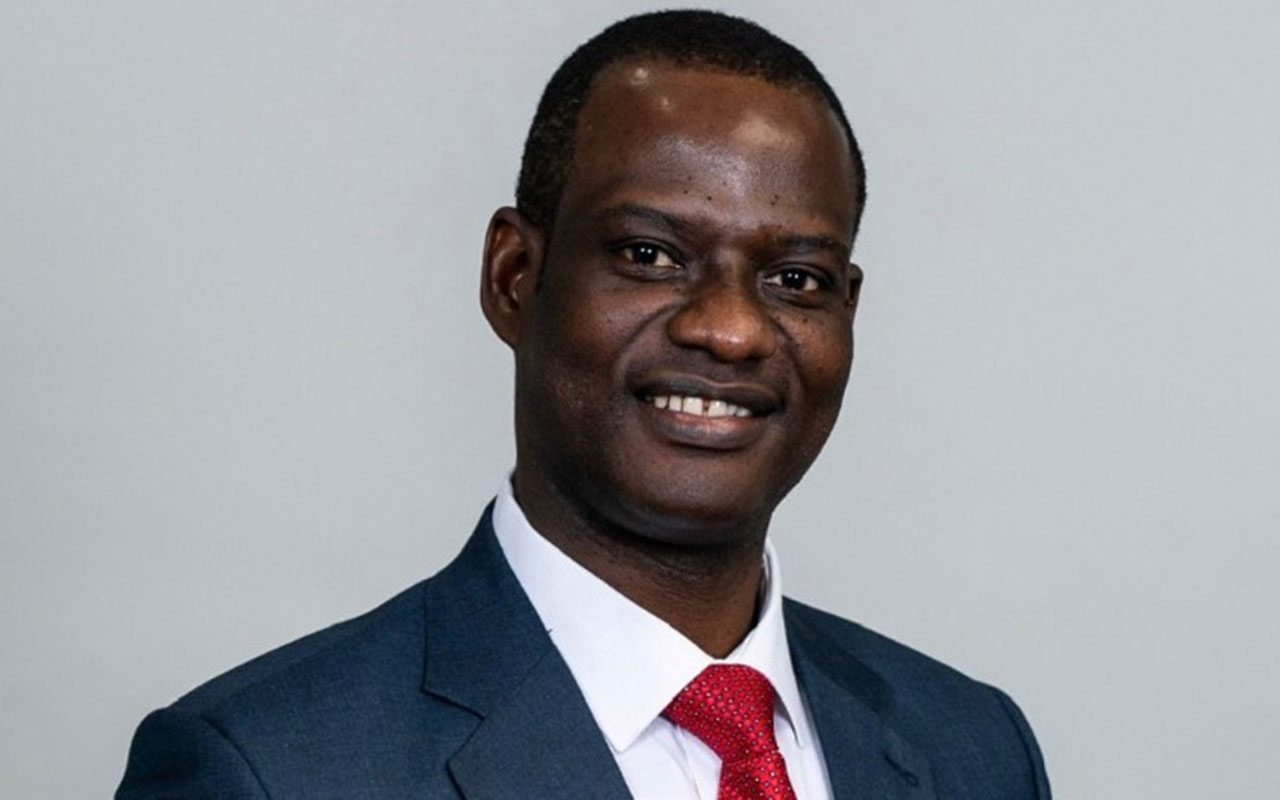
The Chairman of the Presidential Fiscal Policy and Tax Reforms Committee, Taiwo Oyedele has called for the implementation of the tax reform bills by mid-2025, noting that the current system is holding the country hostage and needs to be fixed.
[ad]
He also stressed the need for inclusive policies that address disparities in inflation and income, ensuring that all Nigerians feel the impact of the reform.
Oyedele stated this at the Annual Roundtable Summit organised by the CEO’s Group of the Covenant Community Groups held at the weekend in Lagos.
Giving his keynote presentation titled: ‘May Nigeria Work for Me’, Oyedele also highlighted the potential of human capital development through initiatives like interest-free education loans, consumer credit systems loans, skills development programmes and tax policies to drive Nigeria’s economic growth and stability.
Oyedele warned against the perils of economic mismanagement, drawing parallels to Zimbabwe’s hyperinflation crisis.
He recounted how subsidy policies drained national resources, emphasising the importance of timely reforms to avert economic collapse.
“The NNPC had used up Nigeria’s entitlements, including equity crude, profit oil and tax oil, to fund subsidies. This left the country on the brink of an economic meltdown.
“Our current tax system is like running a race in a 1960s car against Ferraris. It’s holding us back, and we need to fix it,” Oyedele stated.

Oyedele expressed optimism, forecasting economic stabilisation and growth.
He predicted reduced inflation, stable exchange rates, and increased industrial output, driven by reforms in key sectors.
Oyedele challenged both the public and private sectors to curb discretionary and illicit demands for foreign exchange.
He called for a shift from speculative behaviour to productive investment, urging Nigerians to build value rather than exploit loopholes.
“Our reforms are designed to reduce pressure on monetary authorities and ensure stability. We are turning the corner, and 2025 will mark the beginning of a new era,” he concluded.
Oyedele further stressed the importance of making education accessible and relevant.
He proposed interest-free student loans and stipends to support students from underprivileged backgrounds, ensuring hope and inclusivity.
[ad]
He also emphasised redirecting students toward degrees with practical applications, criticising the current educational focus for its lack of relevance to societal needs.
“The reality is that many parents cannot afford to send their children to school. With interest-free loans and stipends, students can focus on their studies without the immediate burden of repayment,” Oyedele said.
He also lamented the meagre salaries paid to Nigerian professors, contrasting them with the significantly higher wages earned by their counterparts in developed nations.
“A professor earning N400,000 a month cannot focus entirely on education. If we don’t attract the right lecturers, our education system cannot develop,” he added.
Addressing the credit system, Oyedele advocated for consumer loans that promote local economic development.
He suggested offering credit to support the purchase of locally manufactured goods, such as vehicles, to boost domestic industries.
“Why work for 35 years to build a house when consumer credit can allow you to live in one and pay over time? This is how we grow an economy,” Oyedele noted.
[ad]

