 Follow Us on Google News
 Follow Us on Google Discover
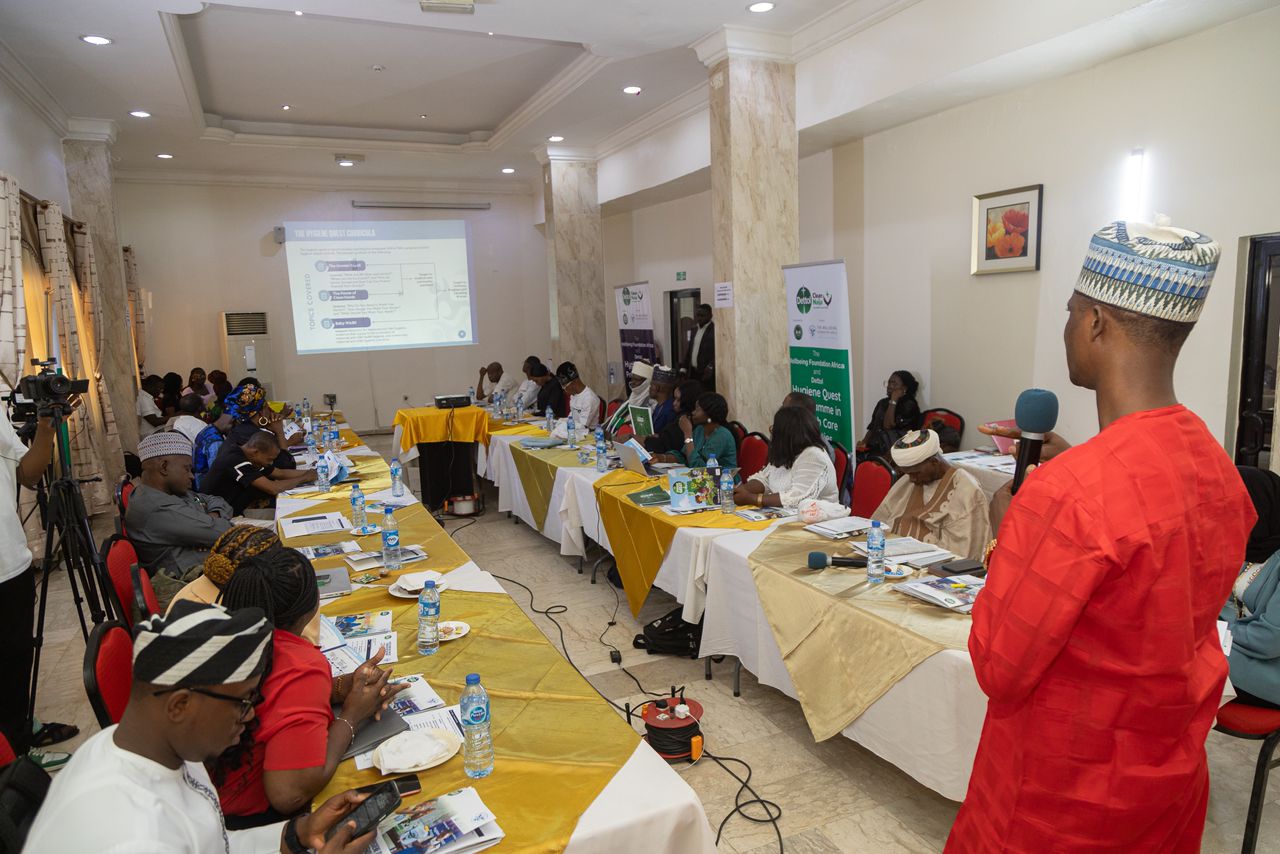 Stakeholders in public health and education have emphasized hygiene in public health and education, positing that hygiene ought to be in the nation’s curriculum.
The position, reached at a stakeholders’ meeting attended by government officials, community leaders, and health advocates, was held in Abuja to discuss the crucial role of hygiene in public health and education.
Speaking at the meeting, jointly hosted by the Wellbeing Foundation Africa (WBFA) and Reckitt, the Director of Programmes and Reporting of WBFA, Williams Awotunde, said that the issue of hygiene is not just about teaching children how to wash their hands. “It’s about instilling life-saving practices, empowering individuals, and creating a cultural shift towards health and hygiene.
“The role of education in this is irreplaceable, and by making hygiene part of the national curriculum, we can ensure that every child, in every classroom, learns the importance of good hygiene as part of their daily routine,” he said.
He also said that the stakeholders’ meeting was to assess the progress, impact, and updates of the Dettol Hygiene Quest (DHQ) Programme across Lagos, Abuja, and Kwara.
The programme, an extension of Reckitt’s Dettol Clean Naija Initiative, is part of its broader mission to make access to quality hygiene, wellness, and nourishment a right, not a privilege.
In his speech, the Lagos State Commissioner for Basic and Secondary Education, Mr. Jamiu Tolani, praised the Hygiene Quest Project for fostering improved sanitation in schools. He advocated for the inclusion of hygiene education in the national curriculum, emphasizing its potential to reduce absenteeism and enhance academic performance.
The Deputy Director of the Kwara State Ministry of Education and Human Capital Development, Mr. Odedeji Taye, also supported this, noting that by July 2023, the programme had reached 56,000 students, nearly half of whom were girls. He projected an expansion to 200 schools by the end of 2024, reinforcing gender equality and improving school attendance.
Traditional and community leaders shared testimonies of the positive impact of hygiene education in their communities, fostering hygiene practices and encouraging greater cooperation between communities and stakeholders to drive behavioral change.
Mr. Kehinde Akinsola, National Programme Manager of the Wellbeing Foundation Africa, provided an overview of the Dettol Hygiene Quest since its launch. He highlighted its impact through school and community engagement, strategic partnerships, and sustainability efforts.
Also speaking, Mrs. Cassandra Uzo-Ogbuh, representing Reckitt Nigeria, reaffirmed the company’s commitment to public health through initiatives like the Dettol School Programme, which she said had educated over five million children in Nigeria over the past 12 years.
She emphasized that hygiene should be taken more critically and adopted as a lifestyle, saying “Now, more than ever before, good hygiene and sanitation practices have become very important and should be adopted as a daily lifestyle to prevent the spread of diseases. Many of these diseases, like diarrhoea and the flu, can be prevented by proper hand washing habits and widespread hygiene education.”

