 Follow Us on Google News
 Follow Us on Google Discover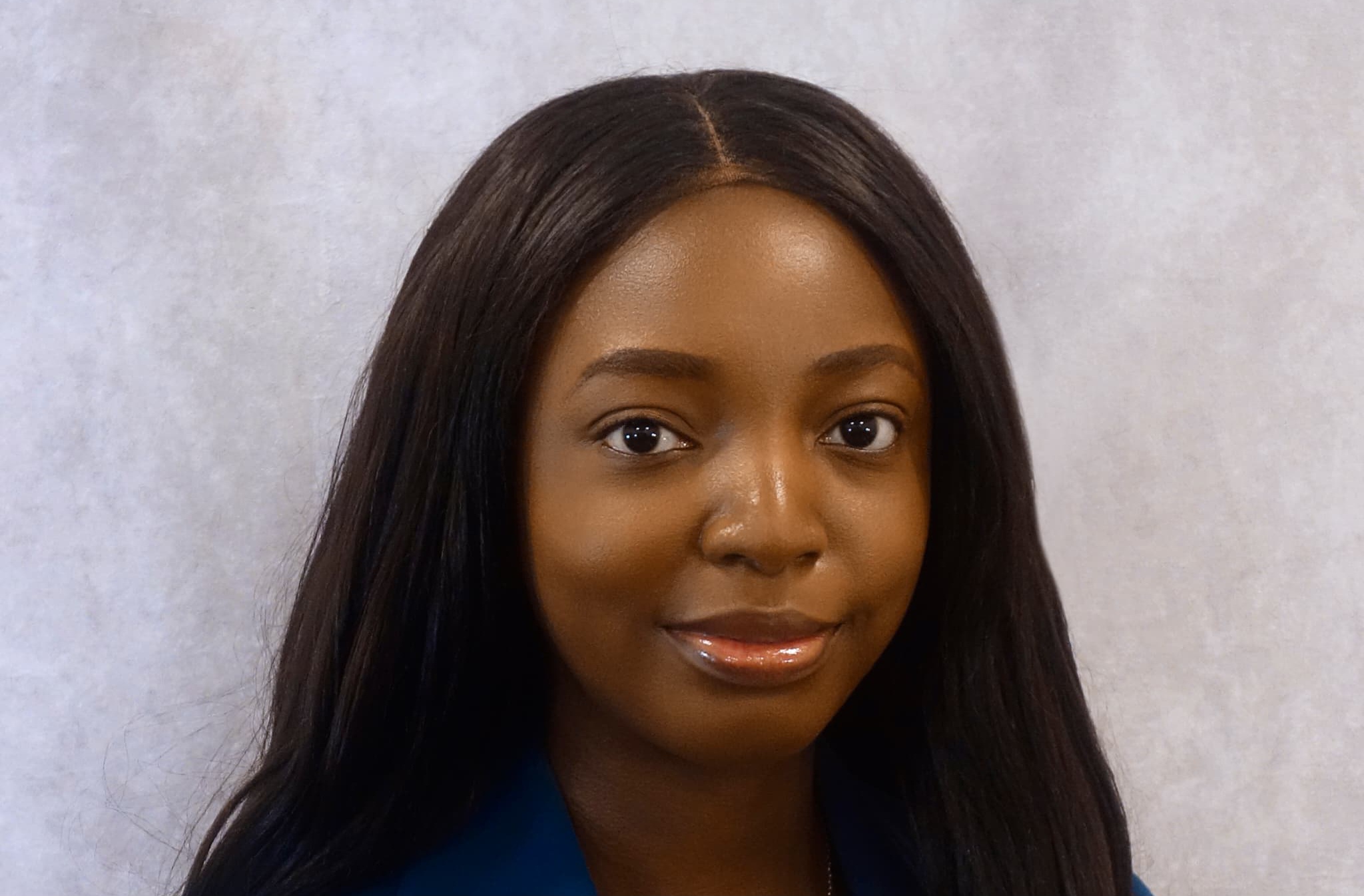
As the global community aims to mitigate the devastating effects of climate change, an expert in environmental health and pediatric public health, Dr. Angelina Uzor, has spotlighted an urgent gap in Nigeria’s approach to protecting its most vulnerable population — children.
In a study titled “Climate Literacy and Children’s Health in Nigeria: Integrating Climate Literacy to Address Children’s Environmental Health Disparities,” Dr. Uzor and her co-authors stressed the pressing need for climate education as a strategy to combat worsening health disparities among children.
In a paper she made available to this news platform, Dr. Uzor pointed out the dangerous intersection between low climate literacy and poor health outcomes for children, particularly in rural and underserved communities. “Climate change is not just an environmental issue,” she wrote.
“It’s a public health emergency, especially for children whose immune systems are underdeveloped and who are most affected by food insecurity, waterborne diseases, and heat stress.”
The research draws attention to how climate change — through droughts, floods, and heatwaves — exacerbates malnutrition, weakens immunity, and drives disease among children. These environmental stressors, Dr. Uzor argues, contribute to a vicious cycle of poverty and poor health that many Nigerian children struggle to escape.
Yet, while the threats are mounting, awareness remains alarmingly low.

To assess the state of climate literacy in Nigeria, the study analyzed data from the 2022 Afrobarometer survey, which covered all 36 states and the Federal Capital Territory.
The survey employed face-to-face interviews in local languages to ensure inclusive participation across different socio-demographic groups. Out of 1,600 respondents, only 29.8% reported awareness of climate change, while 67.5% had never heard of it, and 2.7% were unsure.
Among those who were aware, the majority acknowledged the negative impacts of climate change. Specifically, 39.62% said it was making Nigeria “somewhat worse,” and 26.21% said it had made the country “much worse.” Notably, 75.89% believed the government bears the primary responsibility for addressing climate change, while 51.5% recognized a role for individual citizens.
Dr. Uzor believes this knowledge gap is a significant barrier to progress. “Without climate literacy, people can neither prepare for climate-related disasters nor demand accountability from leaders,” she said. “Empowering citizens with accurate, culturally relevant climate information can transform entire communities and save children’s lives.”
She emphasizes that integrating climate education into the national school curriculum could be a powerful first step. By equipping students with knowledge about climate change, adaptive behaviors like climate-smart agriculture, and disaster preparedness, Nigeria can raise a generation that not only understands the challenges but is also prepared to address them.
The paper also highlighted how a climate-literate population can support the implementation of climate-resilient policies. According to Dr. Uzor, informed citizens are better able to demand sustainable urban planning, support reforestation programs, advocate for clean energy, and pollution control. These actions can significantly reduce children’s exposure to harmful environmental conditions.
Climate literacy, the study argues, should be viewed as a core public health intervention. It’s not merely about education but about survival — especially for children in fragile ecosystems and impoverished communities. “When communities understand climate change,” Dr. Uzor said, “they are more likely to take ownership of local adaptation strategies and engage with policymakers.”
Throughout her career, Dr. Uzor has worked across sectors — from hospitals in Nigeria to environmental health labs in Tennessee — combining clinical knowledge with public health advocacy. Her unique perspective reinforces the idea that environmental health must be integrated into national health agendas.
In addition to research, Dr. Uzor has led environmental risk assessments, participated in public hearings, and collaborated with agencies such as the Tennessee Department of Environment and Conservation. Her experience, both in the U.S. and in Nigeria, informs her call for inclusive, data-driven, and actionable solutions to protect children from the adverse effects of climate change.
The study concludes with a call for a multifaceted approach involving the government, civil society, schools, and the media. Dr. Uzor proposes nationwide climate awareness campaigns, teacher training programs, and partnerships between public health agencies and educational institutions. “The time to act is now,” she asserts. “The cost of inaction is a future where millions of children suffer the consequences of a crisis they did not create.”
Ultimately, “Climate Literacy and Children’s Health in Nigeria” is more than a research paper — it is a call to action, rooted in compassion, science, and an unwavering commitment to the well-being of children.

