 Follow Us on Google News
 Follow Us on Google Discover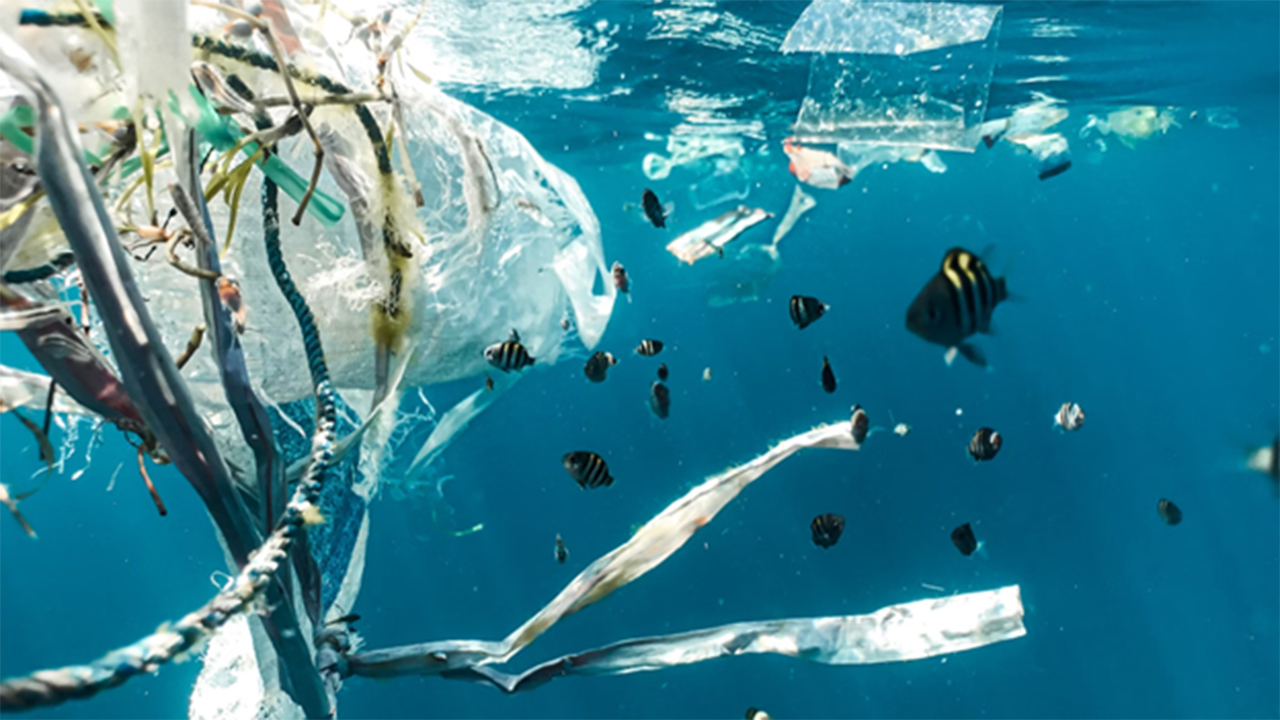
Imagine if your favorite soccer ball, basketball shoes, or cycling helmet not only improved your game but also helped the planet. It’s not a wish anymore; it’s a reality. Sports brands like Adidas, Nike, Wilson, and many more are using new technologies to make their equipment more sustainable and still high-performing. The world of sports is undergoing a green revolution that includes 3D printing and foam derived from algae. Let us explore how the future of sports gear is being rewritten today!
The Rise of Eco-Friendly Sports Gear
Sports have operated on petroleum-based plastics, high waste production, and toxic dyes for as long as we can remember. Now? Everything is being centered on eco-friendliness. Adidas, for example, has sold over 30 million pairs of sneakers made from ocean plastic. Wilson, which is known for its dominance in tennis, designed the Triniti tennis ball with the sole purpose of lowering waste and increasing durability.
Now everything is different. Your idols go out on the field equipped with advanced green technologies that are faster, more accurate, and stronger. And you? You can not only watch them but feel every move, every hit, every second of tension! With MelBet download APK, you can be even closer to the game and place bets more conveniently, faster, and in one touch—exactly at the moment when everything is decided. Sports are evolving. They have become smarter, more dynamic, and more accessible, and your way of following them has, too.
But why is everyone so worried about ecology? In fact, studies indicate that the traditional method of manufacturing sports gear contributes to 5 million tons of CO₂ emissions every year. With the use of bio-based materials, companies have started implementing closed-loop recycling and AI-powered production systems, allowing them to achieve greater waste reduction and innovation than ever before.
Sustainable Materials in Equipment Production
The era of petroleum-based plastics and synthetic rubber is coming to an end. There is a shift occurring as advanced materials engineering focuses on new-age materials with low environmental impact while still maintaining high performance. Let’s explore some of the remarkable innovations:
- Bio-Based Polyurethane: Nike has once again proved to be an innovator with its Algae Foam, which is used in the Air Zoom Alphafly NEXT%. It significantly lowers the consumption of fossil fuels.
- Algae-Based Materials: Bloom Foam collaborates with Adidas and Speedo to transform harmful algae blooms into high-quality shoe soles and swimwear.
- Mycelium Leather: Bolt Threads is developing mushrooms into leather with Adidas for their sustainable cleats.
- Hemp and Organic Cotton: Patagonia has been leading the transition by replacing synthetic fibers with textiles that are renewable and biodegradable.
These materials are not only eco-friendly, they are also lighter and stronger. In many instances, they are superior to traditional alternatives. And this is just the beginning. By subscribing to Instagram MelBet, you will be able to learn about new and innovative sports technologies. After all, every year, new things appear that we never even dreamed of before, and in this group, they will be among the first to write about them!
Recycled Plastics in Sports Manufacturing
Now, recycling is part of changing sports equipment rather than just dealing with plastic bottles. It is no secret that companies are transforming waste into top-tier material, mitigating dumping sites, and still providing elite performance.
For instance, look at the Triniti tennis ball by Wilson. It features a PET felt cover made from 100% recycled materials, which enhances durability and decreases waste. Also, Adidas’ running shoes and jerseys feature Primeblue and Primegreen materials made from plastic—that’s right, 100% ocean-recycled plastic.
Speedo is now using ECONYL®, a nylon made from discarded fishing nets. With this, they show that sustainability and good athletic wear can go hand in hand. Additionally, let’s talk about Nike’s Flyknit technology. It has helped divert over 182 million plastic bottles from being dumped into landfills by transforming them into high-quality fabric. And it’s all wonderful!
3D Printing for Reduced Waste
Printed, not manufactured, is the slogan for the coming age of sustainable sports gear. 3D printing removes excess waste and uses material only when needed, leading to no excess or scraps.
Adidas’ Futurecraft 4D sneakers utilize Digital Light Synthesis to craft perfectly calculated, engineered midsoles, leading to 40% less waste compared to traditional production. A cycling helmet company named HEXR prints custom-fit helmets out of recyclable nylon, greatly decreasing waste while maximizing safety. And Wilson’s Airless Prototype basketball—an unreleased 3D-printed ball—exemplifies how this modern manufacturing approach can change even the most classic athletic equipment.
Energy-Efficient Production Techniques
Constructing sustainable gear requires much more than just the materials. It also necessitates the method of construction. Brands are now improving their factories by adding emission-reducing CapEx technology to their production lines. Let’s see how:
| Technique | Impact | Example |
| Solar-Powered Factories | Cuts energy consumption by 60% | Nike’s Laakdal facility in Belgium |
| Waterless Dyeing | Saves 20 billion liters of water yearly | Adidas’ DryDye tech eliminates dye waste |
| Cold-Press Manufacturing | Reduces CO₂ emissions by 35% | Under Armour’s HOVR sneakers |
| Upcycled Waste Products | Prevents tons of waste from landfills | Reebok’s Cotton + Corn shoes |
| Smart Supply Chains | Cuts transport emissions by 30% | Decathlon’s localized production hubs |
The industry is now not only cutting waste but also ever-changing the paradigm of sports gear into something far more advanced. The techniques being employed will ensure the amount of waste produced is negligible.
Biodegradable and Renewable Materials
Imagine running shoes that would disintegrate after their lifecycle instead of adding to a landfill for hundreds of years. That’s the direction where sports gear is headed. Let’s examine the materials that are leading the charge:
- PLA (Polylactic Acid): A corn-starch PLA-based cleat and a biodegradable golf tee are in the works.
- Natural Latex: Manduka’s yoga mats replace synthetic rubbers with sustainable latex. The mats are also FSC-certified.
- Bamboo Composites: Skateboard decks and surfboards made using a very strong and light bamboo ply are in the works.
- Castor Oil-Based Polymers: Asics is making GEL-Nimbus Lite sneakers with bio-based foams instead of petroleum-based EVA.
The end results are high-performance sports gear that pollutes less, wastes less, and enables athletes to reach new heights.
Smart Tech for Equipment Longevity
Durability plays an important role in sustainability. The longer a sports product lasts, the lower the waste produced. This is why brands add smart technology to ensure the longer upkeep of their sports products.
Nike basketball shoes Adapt BB have laces that tighten themselves and are capable of updating their firmware, which prevents wear and tear. The GarminSmartwatch is powered by solar energy and eliminates the need for battery replacements. Wilson’s smart tennis rackets, which monitor swing data, enable players to improve their techniques while minimizing the need for constant replacements.
It’s not only about extending the lifetime of the product but also making it smarter.
Brands Leading the Green Revolution
Some companies are not just focusing on the sustainability trend—they are the ones starting these trends. Check out the brands that have enhanced eco-friendliness in sports as their targeted initiative:
- Adidas: The company will make over 90% of its products out of recycled or sustainable materials by 2025.
- Nike: By 2030, they aim to become waste-free and carbon-neutral under Move to Zero.
- Patagonia: The first-ever eco-friendly sportswear brand using 100% reclaimed and organic materials.
- Wilson: Innovating with Triniti tennis balls and 3D-printed basketballs that generate less waste.
Unlike others, these brands don’t just talk about sustainability initiatives. They actively lead the march.
Beyond Performance: The Future of Sustainable Sports Gear
The revolution is underway. With AI-enabled factories, zero-waste production technologies, and the invention of eco-friendly materials, the sports industry is changing for the better. Adidas, Nike, and Wilson are examples of modern brands proving that high-performance quality and sustainability can coexist. The only question remains: how soon will everyone else adapt to this change?

