 Follow Us on Google News
 Follow Us on Google Discover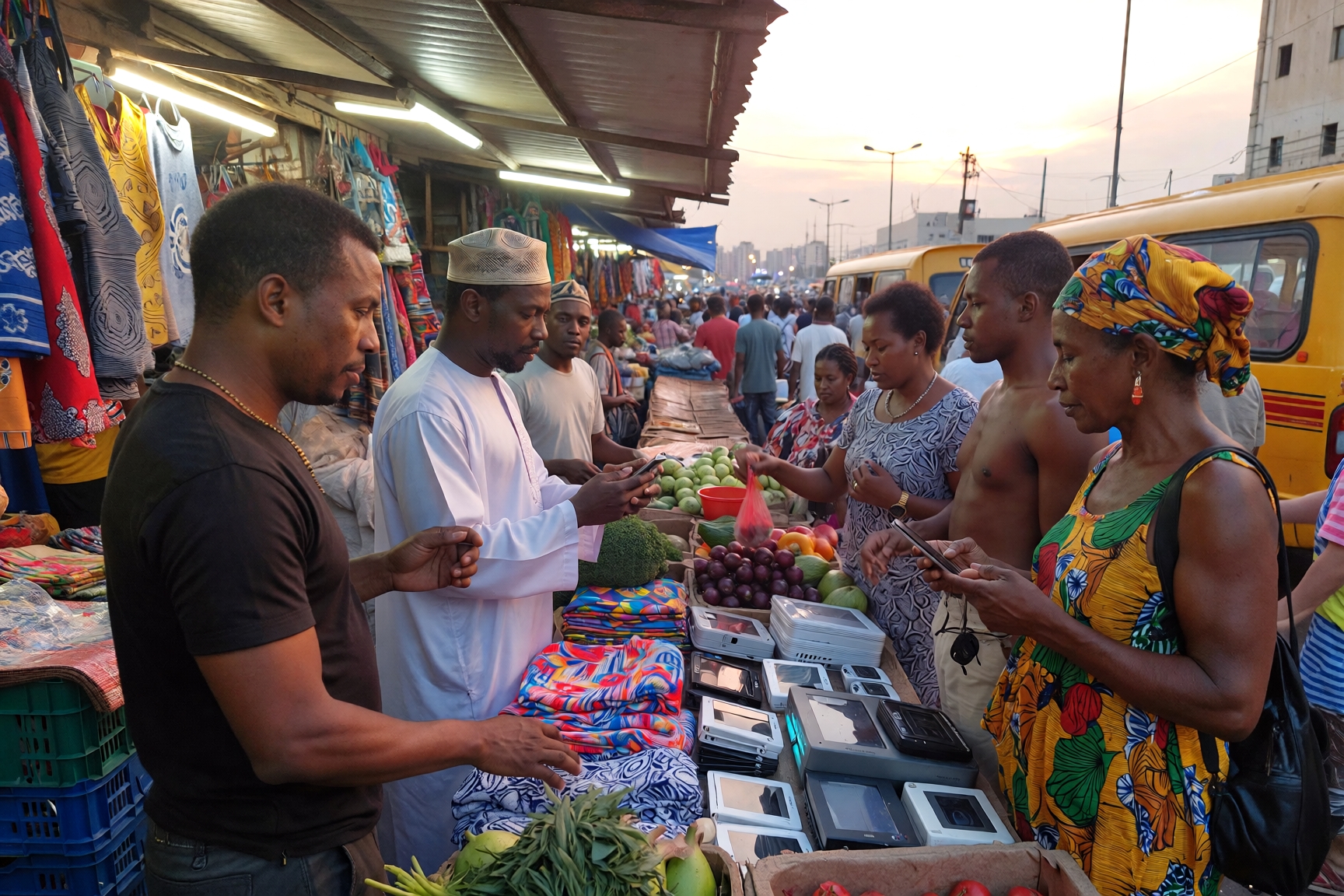
Hello there, friend. I need to share something with you that represents months of careful research and years of experience documenting Nigeria’s extraordinary demographic landscape. When people ask me what is the dominant race in Nigeria, I always take a moment to clarify what they’re really asking about. Nigeria doesn’t have distinct “races” in the biological sense, but rather ethnic groups or nationalities. The three largest ethnic groups are the Hausa-Fulani (approximately 29% of the population), the Yoruba (about 21%), and the Igbo (roughly 18%). Together, these three groups represent about 68% of Nigeria’s population, whilst the remaining 32% comprises 368 other ethnic groups speaking over 500 languages.
The question itself reveals something fascinating about how we perceive Nigeria.
Most Nigerians don’t think in terms of race but rather ethnicity, language, and region. When someone from Lagos talks about demographic diversity, they’re referencing the Yoruba, Igbo, Hausa, Ijaw, and dozens of other groups living side by side in Africa’s largest city. This distinction matters because treating Nigeria as racially homogenous whilst ethnically diverse more accurately captures our national reality.
I remember my first demographic research trip to Taraba State, often called Nigeria’s most ethnically diverse state with approximately 80 different groups within its borders. Walking through local markets, I heard conversations in languages I couldn’t identify, saw traditional attire from communities I’d never encountered in Lagos, and witnessed cultural practices that defied the simple “big three” narrative most people use to describe Nigeria. That experience fundamentally changed how I understand Nigerian identity. According to the National Bureau of Statistics demographic bulletins, Nigeria’s population exceeded 223 million people as of 2023, making us Africa’s most populous nation and one of the world’s most ethnically complex countries.
What is the Main Ethnic Group in Nigeria?
The Hausa-Fulani constitute Nigeria’s largest ethnic group, representing approximately 29% of the total population.
This percentage translates to roughly 65 to 67 million people concentrated primarily in Northern Nigeria’s states including Sokoto, Kano, Kaduna, Katsina, Jigawa, and Zamfara. What makes the Hausa-Fulani particularly significant isn’t just their numerical advantage but their historical political influence since Nigeria’s independence in 1960.

The term “Hausa-Fulani” itself represents a fusion of two originally distinct groups. The Hausa people built ancient city-states like Kano, Katsina, and Zaria, creating sophisticated urban centres with documented histories stretching back a thousand years. The Fulani, originally nomadic pastoralists, gradually settled among the Hausa through the 18th and 19th centuries, particularly following the Usman dan Fodio jihad of 1804. Intermarriage, shared Islamic faith, and adoption of the Hausa language by many Fulani created what we now call the Hausa-Fulani cultural bloc.
But here’s something that often surprises people from outside Nigeria.
Being “dominant” in population doesn’t automatically translate to dominance in every sphere of national life. The Igbo, for instance, dominate significant sectors of Nigeria’s commercial economy despite representing only 18% of the population. The Ministry of Foreign Affairs notes that “the largest groups are the Hausa in the north, the Yoruba in the southwest and the Igbo (or Ibo) in the southeast, who account for around a fifth of the population each.” This demographic distribution has profoundly shaped Nigeria’s political structure, leading to constitutional provisions for “federal character” to ensure all regions and ethnic groups have representation in government.
The Yoruba people, approximately 21% of Nigeria’s population, occupy the southwestern states of Lagos, Ogun, Oyo, Osun, Ondo, and Ekiti. Yoruba culture has given Nigeria some of its most enduring cultural exports, from the talking drums and Gelede masquerades to contemporary Afrobeats music. What’s rather remarkable about the Yoruba is their historical urbanisation. Cities like Ibadan, Ile-Ife, and Lagos developed as significant population centres long before European colonisation, making Yoruba society one of Africa’s most historically urbanised cultures.
The Igbo, roughly 18% of Nigeria’s population, primarily inhabit the southeastern states of Abia, Anambra, Ebonyi, Enugu, and Imo. The Igbo are known for their enterprising spirit and republican political traditions (historically, the Igbo had no centralised kingdoms, preferring village-level democratic assemblies). This cultural disposition towards individual achievement and commercial success has made the Igbo particularly visible in Nigeria’s business landscape, far beyond their demographic proportion.
Understanding Nigeria’s Demographic Complexity: A Seven-Step Guide
Navigating Nigeria’s ethnic landscape requires more than memorising the “big three.” Let me walk you through a systematic approach I’ve developed after years of demographic research.
- Distinguish Between Race, Ethnicity, and Nationality
Start by understanding that Nigeria’s diversity is ethnic and linguistic, not racial. West African Negroid ancestry forms the baseline throughout most of Nigeria, with Mediterranean-extracted Fulani being the main exception. When Nigerians discuss identity, we reference ethnic groups (Yoruba, Igbo, Hausa), not races in the way the concept is used in multicultural Western societies.
The colonial British imposed racial categorisations that didn’t match Nigerian self-understanding. We think in terms of our ethnic group, state of origin, and local government area, not racial categories.
- Recognise the “Big Three” Whilst Acknowledging the Other 368
Yes, Hausa-Fulani, Yoruba, and Igbo collectively dominate numerically. But treating the remaining 368 ethnic groups as statistical footnotes erases the lived reality of over 70 million Nigerians. The Ijaw in the Niger Delta number over 14 million people. That’s more than the entire population of Benin Republic!
The Tiv, Kanuri, Ibibio, Edo, Nupe, and dozens of others each number in the millions.
Nigeria’s unity in diversity requires acknowledging these communities as full participants in national life, not as afterthoughts to the major groups.
- Understand Regional Distribution Patterns
Nigeria’s ethnic groups concentrate regionally rather than scattering randomly. Northern Nigeria is predominantly Hausa-Fulani and Kanuri. Southwestern Nigeria is overwhelmingly Yoruba. Southeastern Nigeria is primarily Igbo. The Middle Belt (Benue, Plateau, Kogi, Nasarawa, Niger, and Kwara states) hosts Nigeria’s greatest ethnic diversity, with dozens of groups including Tiv, Nupe, Igala, Idoma, and Berom.
This regional concentration has political implications. Nigeria’s federal structure balances regional interests through zoning arrangements for political offices, ensuring no single region monopolises power.
- Appreciate Linguistic Diversity
Nigeria’s 500-plus languages belong to three major African language families. The Niger-Congo family includes Yoruba, Igbo, Ijaw, and most southern languages. The Afroasiatic family includes Hausa, Kanuri, and related northern languages. English serves as the lingua franca, but Hausa, Yoruba, and Igbo function as major indigenous languages with tens of millions of speakers each.
Nigerian Pidgin English, particularly common in southern cities, has evolved into a genuine contact language that crosses ethnic boundaries. In markets from Warri to Lagos to Port Harcourt, you’ll hear Pidgin facilitating communication between people who share no common indigenous language.
- Examine Historical Context
British colonial administration created Nigeria by amalgamating the Northern and Southern Protectorates in 1914. This arbitrary merging of distinct ethnic territories under one political entity has shaped every aspect of Nigerian national life since then. The ethnic groups didn’t choose to be one country; they were made one by external forces pursuing colonial economic interests.
Understanding this history helps explain why ethnic identity remains so salient in Nigerian politics.
We’re still negotiating what it means to be “Nigerian” whilst maintaining distinct ethnic identities. Many scholars and commentators argue that Nigeria’s true challenge isn’t ethnic diversity itself but rather the failure to create equitable political and economic structures that give all groups a genuine stake in national unity.
- Recognise Religious Patterns
Religion intersects with ethnicity in complex ways. The Hausa-Fulani are predominantly Muslim, as are the Kanuri. The Igbo are overwhelmingly Christian. The Yoruba split roughly evenly between Islam and Christianity, with traditional religious practitioners maintaining significant influence as well. The Middle Belt divides between Christian and Muslim communities, with these religious lines sometimes overlapping with ethnic boundaries and sometimes cutting across them.
Religious identity has become increasingly politically salient in recent decades, adding another layer to Nigeria’s demographic complexity.
- Study Contemporary Demographic Shifts
Nigeria’s population isn’t static. Urbanisation has created ethnically mixed cities where the “indigene versus settler” distinction matters more than in the past. Lagos, despite being in Yoruba territory, houses significant populations of every major Nigerian ethnic group. Kano, the Hausa heartland, has substantial Igbo and Yoruba commercial communities. According to National Bureau of Statistics data, Nigeria’s population remains predominantly young, with 61.22% under the age of 25, suggesting future demographic shifts as this generation defines Nigerian identity in new ways.
Nigeria’s Major Ethnic Groups by Population Distribution
| Ethnic Group | Approximate Population | Percentage of Total | Primary States | Primary Religion |
|---|---|---|---|---|
| Hausa-Fulani | 65-67 million | 29% | Sokoto, Kano, Katsina, Kaduna, Jigawa, Zamfara | Islam |
| Yoruba | 47-49 million | 21% | Lagos, Ogun, Oyo, Osun, Ondo, Ekiti | Islam and Christianity |
| Igbo | 40-42 million | 18% | Abia, Anambra, Ebonyi, Enugu, Imo | Christianity |
| Ijaw | 14-16 million | 6-7% | Bayelsa, Delta, Rivers | Christianity |
| Kanuri | 10-12 million | 4-5% | Borno, Yobe | Islam |
| Ibibio | 8-10 million | 3.5-4% | Akwa Ibom | Christianity |
| Tiv | 7-8 million | 3% | Benue, Taraba | Christianity |
| Edo | 4-5 million | 2% | Edo | Christianity |
The table reveals something crucial about Nigeria’s demographic reality. Whilst the big three dominate numerically, several other groups have populations comparable to entire nations elsewhere in Africa. The combined populations of the Ijaw, Kanuri, Ibibio, Tiv, and Edo exceed 45 million people. That’s larger than the populations of Ghana, Cote d’Ivoire, or Cameroon. This depth of diversity makes Nigeria unique even by African standards.
Which Ethnic Group Truly Dominates Nigeria?
After all this demographic analysis, let me return to the original question with a more nuanced answer.
No single ethnic group truly dominates Nigeria in all spheres simultaneously.
The Hausa-Fulani dominate in population (29%) and have historically wielded significant political power, particularly during Nigeria’s various military regimes when northern officers held power. The Igbo, despite representing only 18% of the population, arguably dominate Nigeria’s commercial economy, owning significant portions of businesses across all regions. The Yoruba balance between these extremes, with substantial political influence (Lagos is Nigeria’s commercial capital, after all) and significant commercial presence.
Rather like a three-legged stool, Nigeria’s stability depends on all three major groups feeling they have adequate representation and access to national resources. When any one group feels marginalised (whether by population, politics, or economics), national tensions rise. The Nigerian Civil War (1967-1970) erupted partly because the Igbo felt politically excluded and economically threatened following the 1966 military coups.
But focusing exclusively on the big three distorts our understanding of Nigerian society. The marginalisation of “minority” ethnic groups, collectively representing over 70 million Nigerians, has created its own set of tensions. The Niger Delta militancy of the early 2000s stemmed partly from Ijaw, Ogoni, Itsekiri, and other oil-producing communities feeling their resources were being exploited without adequate compensation or representation.
Economic power in Nigeria distributes differently from population size, creating fascinating misalignments. Lagos State, predominantly Yoruba, generates approximately 35% of Nigeria’s GDP despite holding perhaps 8% of the population. Kano State, the Hausa heartland, has substantial commercial activity but less relative economic weight than its population might suggest. The oil-producing states of the Niger Delta, despite smaller populations, contribute massively to national revenues through petroleum exports.
The City That Never Sleeps in Nigeria
Since you asked about which city never sleeps in Nigeria, let me tell you about Lagos.
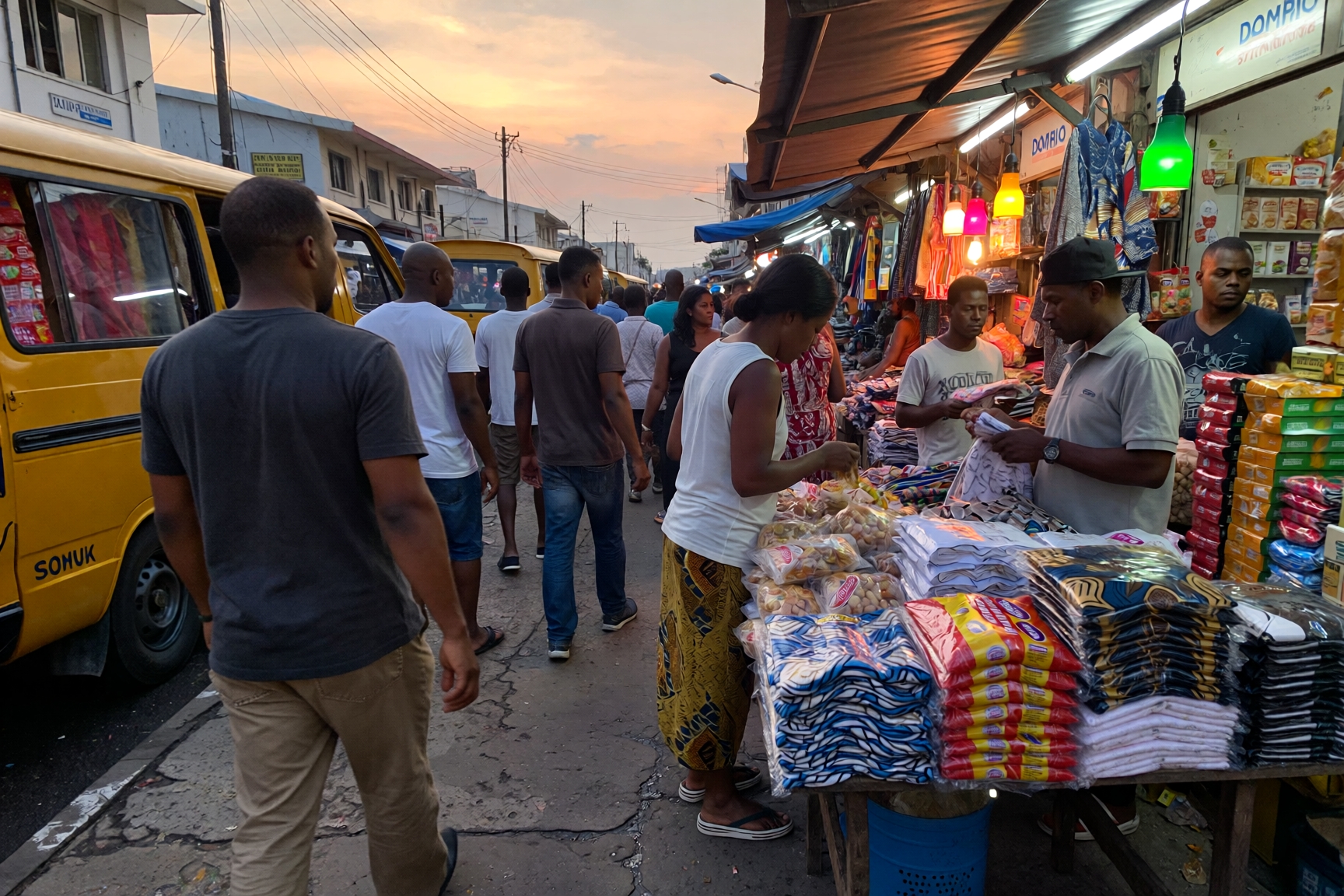
Lagos, Nigeria’s commercial capital, truly deserves the “city that never sleeps” designation. With an estimated population exceeding 15 million people (some unofficial estimates suggest 20+ million), Lagos operates 24 hours a day across multiple dimensions. The Apapa and Tin Can Island ports run continuous shifts. The Murtala Muhammed International Airport processes flights around the clock. Markets like Idumota and Balogun have traders working until late evening, whilst night markets in areas like Ajah and Lekki operate after dark.
Lagos Island’s financial district buzzes with banking operations, tech startups, and international businesses that maintain connections with global markets across time zones. The city’s famous traffic congestion (popularly called “go-slow”) continues well past midnight on major routes like the Third Mainland Bridge.
Entertainment venues in Victoria Island, Ikoyi, and Lekki stay open until the early morning hours. I’ve attended events in Lagos that started at 11 PM and ran until 5 AM, perfectly normal for the city’s social scene. The rise of Lagos’s tech ecosystem, with startups operating on international timelines to coordinate with investors and partners in Europe, America, and Asia, has only reinforced the city’s 24-hour character.
But Lagos isn’t alone. Port Harcourt, Abuja, and Kano have their own versions of constant activity, particularly in commercial districts, though perhaps not quite at Lagos’s intensity.
What Sells Very Fast in Nigeria?
Since you’re curious about Nigeria’s commercial dynamics, let me share what moves quickly in our markets.
Food items sell fastest because Nigeria’s population needs to eat daily. Rice (both local and imported), garri (cassava flakes), yam, beans, tomatoes, peppers, onions, and palm oil move constantly. I’ve watched market women in Mile 12 Market (Lagos) sell entire lorries of tomatoes and peppers within hours of arrival. Perishable proteins like fresh fish, chicken, and beef sell rapidly, particularly on weekends when families shop for Sunday meals.
Telecommunications airtime and data bundles sell incredibly fast. Nigeria has over 200 million active mobile phone lines, and nearly everyone needs regular top-ups. Small shops and kiosks selling MTN, Airtel, Glo, and 9mobile recharge cards do brisk business throughout the day.
Fuel and petrol, despite Nigeria’s status as an oil producer, sell quickly whenever available at official prices. Queues at filling stations can stretch for kilometres when supplies tighten. Generator fuel sells constantly because irregular electricity supply means many households and businesses run generators daily.
Fashion items, particularly clothing, shoes, and accessories, move very quickly in Nigeria’s fashion-conscious urban markets. Balogun Market in Lagos, Ariaria Market in Aba, and similar commercial centres see massive daily turnover in apparel. Electronics, especially mobile phones and their accessories, sell rapidly as Nigerians upgrade devices regularly.
Building materials like cement, rods, and roofing sheets sell fast in urban areas where construction continues constantly. Beauty products, cosmetics, and hair care items move quickly, particularly in women-dominated markets. Pharmaceuticals and health products sell rapidly, though unfortunately both legitimate and counterfeit products circulate widely.
What is the Dominant Race in Nigeria: The Complete Picture
Let me bring all this together into a coherent understanding of Nigerian demographics.
Nigeria has no dominant “race” in the biological sense that term is typically used. We are a West African nation where virtually the entire population shares broad genetic ancestry, with the exception of Mediterranean-extracted Fulani admixture in northern populations. What Nigeria has is extraordinary ethnic and linguistic diversity, with 371 recognised ethnic groups speaking over 500 languages across the nation’s 923,768 square kilometres.
The three largest ethnic groups (Hausa-Fulani, Yoruba, and Igbo) collectively represent about 68% of Nigeria’s population, with no single group holding an absolute majority. The remaining 32% comprises hundreds of other ethnic groups, many numbering in the millions. This demographic reality has profoundly shaped Nigeria’s political structure, constitutional arrangements, and social dynamics since independence in 1960.
Dominance in Nigeria is multifaceted and contested. The Hausa-Fulani numerically dominate and have historically held significant political power. The Igbo dominate substantial commercial sectors despite smaller population percentages. The Yoruba balance between political influence and economic activity. Meanwhile, “minority” groups collectively outnumber any single major group and increasingly assert their political and economic interests.
Understanding what is the dominant race in Nigeria requires moving beyond simplistic narratives. Nigeria’s true character emerges from the complex interplay of ethnic identities, regional differences, religious affiliations, economic interests, and historical grievances that collectively shape our national life. We’re not a nation where one group simply dominates; we’re a nation perpetually negotiating the terms of coexistence among hundreds of distinct communities.
Moving Forward: Embracing Nigeria’s Diversity
After months researching Nigeria’s demographic landscape, I’ve reached some conclusions.
Nigeria’s ethnic diversity isn’t our problem. It’s actually our greatest potential asset. Countries like Switzerland and Singapore have built prosperity on managing diversity effectively. Nigeria can do the same if we create equitable political and economic structures that give all groups genuine stakes in national unity.
The challenge lies not in which group dominates but in ensuring no group feels systematically excluded from political power, economic opportunities, or social recognition. When the big three negotiate among themselves whilst ignoring the other 368 groups, they sow seeds of resentment. When any region monopolises federal appointments or resources, others feel marginalised. When economic development concentrates in a few states whilst others languish, national cohesion weakens.
Nigeria’s future depends on embracing complexity. We need to move beyond colonial-era categorisations that reduced our diversity into manageable administrative units. We need educational curricula that teach children about all of Nigeria’s ethnic groups, not just the big three. We need media representation that showcases minority cultures alongside major groups. We need economic policies that develop all regions, not just commercially dominant centres.
Most importantly, we need political leadership that views ethnic diversity as strength rather than threat. The countries that thrive in our globalised world are those that leverage diversity for innovation, creativity, and adaptability. Nigeria has the raw demographic material; we need the institutional structures and leadership vision to transform it into national advantage.
Key Takeaways:
- Nigeria has no single dominant race but rather 371 ethnic groups, with Hausa-Fulani (29%), Yoruba (21%), and Igbo (18%) being the three largest
- Dominance in Nigeria is multifaceted: the Hausa-Fulani dominate numerically, the Igbo economically, and the Yoruba balance both, whilst “minority” groups collectively outnumber any single major group
- Nigeria’s demographic complexity requires moving beyond simple narratives to embrace institutional structures that give all ethnic groups genuine stakes in national unity and prosperity
Related Articles on Nigerian Demographics and Society
For deeper insights into Nigeria’s demographic landscape, explore these related pieces on our site. How Many Ethnic Groups Are in Nigeria? provides a comprehensive breakdown of all 371 officially recognised ethnic groups and their geographic distribution across Nigeria’s six geopolitical zones. What is the Largest Tribe in Nigeria? examines the Hausa-Fulani demographic dominance, exploring how population size interacts with political power and economic influence in contemporary Nigerian society.
Frequently Asked Questions About Nigeria’s Dominant Race
What is the dominant race in Nigeria?
Nigeria has no dominant race in the biological sense; instead, the country comprises 371 ethnic groups with shared West African ancestry. The three largest ethnic groups are Hausa-Fulani (29%), Yoruba (21%), and Igbo (18%), collectively representing about 68% of the population.
What is the main race in Nigeria?
The concept of “race” doesn’t accurately describe Nigeria’s demographic reality, which is better understood through ethnicity and language. The Hausa-Fulani people constitute the numerically largest ethnic group at approximately 29% of Nigeria’s population, concentrated primarily in northern states.
Who is the dominant race in Africa?
Africa has no dominant race as the continent contains extraordinary genetic, ethnic, and cultural diversity across 54 countries. Broad racial categories like “Black African” or “West African” encompass hundreds of distinct ethnic groups with different languages, cultures, and histories.
Are Yoruba, Igbo, and Hausa different races?
No, Yoruba, Igbo, and Hausa are different ethnic groups, not races, as they share broad West African genetic ancestry. They differ in language, culture, traditional governance systems, and historical development, but these differences are ethnic and cultural rather than racial.
What percentage of Nigeria does the Hausa-Fulani represent?
The Hausa-Fulani represent approximately 29% of Nigeria’s total population, translating to roughly 65 to 67 million people. They are concentrated primarily in northern states including Sokoto, Kano, Kaduna, Katsina, Jigawa, Katsina, and Zamfara.
How many ethnic groups are in Nigeria?
Nigeria has 371 officially recognised ethnic groups, making it one of the world’s most ethnically diverse nations. These groups speak over 500 distinct languages belonging to three major African language families: Niger-Congo, Afroasiatic, and a small Nilo-Saharan presence.
What is Nigeria’s most diverse state?
Taraba State holds the distinction of being Nigeria’s most ethnically diverse state, hosting approximately 80 different ethnic groups within its borders. This extraordinary concentration stems from Taraba’s geographical position in Nigeria’s Middle Belt, where northern savanna meets southern forest zone.
Do the three major ethnic groups dominate all aspects of Nigerian life?
No, dominance in Nigeria is multifaceted and contested across different spheres of national life. The Hausa-Fulani dominate numerically and politically, the Igbo dominate significant commercial sectors, and the Yoruba balance between political influence and economic activity.
What language do most Nigerians speak?
English serves as Nigeria’s official language and lingua franca, particularly in cities and formal settings. However, Hausa, Yoruba, and Igbo are major indigenous languages with tens of millions of speakers each, whilst Nigerian Pidgin English functions as a common contact language in southern urban areas.
How does Nigeria manage ethnic diversity politically?
Nigeria employs a federal system with constitutional provisions for “federal character” to ensure all states and regions have representation in government. Political offices often follow zoning arrangements that balance North-South, Muslim-Christian, and major ethnic group representation.
Are there tensions between Nigeria’s ethnic groups?
Yes, ethnic tensions have periodically erupted into conflict throughout Nigeria’s history, including the Civil War (1967-1970) and ongoing disputes over resource allocation and political representation. However, millions of Nigerians live peacefully across ethnic lines in mixed cities like Lagos, Port Harcourt, and Abuja.
Which Nigerian city never sleeps?
Lagos, Nigeria’s commercial capital with an estimated population exceeding 15 million people, truly operates 24 hours a day. Ports run continuous shifts, financial districts maintain international business hours, markets operate late into the evening, and entertainment venues stay open until early morning hours.

