 Follow Us on Google News
 Follow Us on Google Discover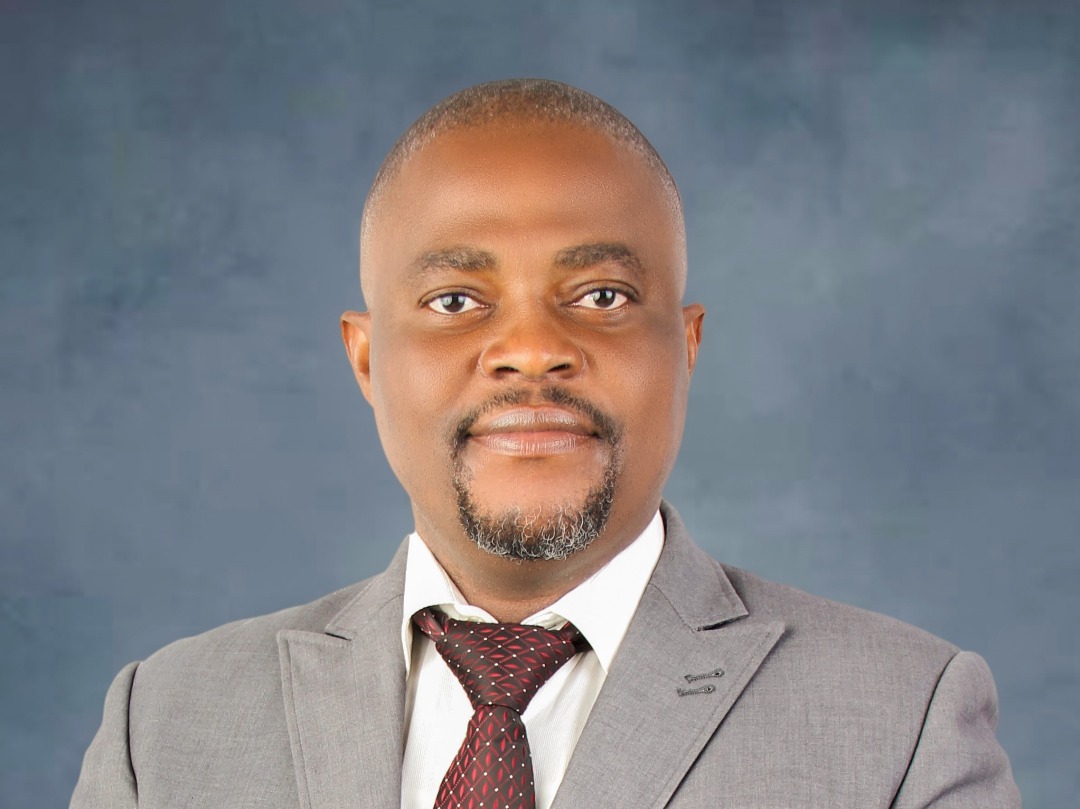
Ernest Eleodinmuo is the Chief Executive Officer of NNORUKA ELEODINMUO GLOBAL SERVICES LTD, a leading haulage and freight forwarding company based in Lagos, Nigeria. With over a decade of hands-on experience navigating Nigeria’s logistics terrain, Mr. Eleodinmuo offers a rare perspective into the country’s freight future, infrastructure bottlenecks, and policy gaps. In this exclusive interview, he speaks on building a competitive logistics firm, the promise of AfCFTA, and how technology and sustainability will shape the next decade of Nigerian transport. Excerpts.
You’ve been in the logistics and freight forwarding business for over a decade. How would you describe the current state of Nigeria’s freight and haulage industry?
The Nigerian haulage and freight industry is growing, but not without friction. There’s demand across manufacturing, retail, and agriculture, but the infrastructure is severely stretched. Roads are dilapidated, ports are congested, and the cost of transport continues to rise due to insecurity and diesel costs. Still, there’s opportunity. As an operator, you learn to innovate around some of these constraints.
What are the biggest infrastructural challenges logistics operators like yours face daily, particularly in port access and interstate haulage?
Port access is a nightmare. Truck queues in Apapa can last for days, which affects delivery time and increases cost. Outside the ports, poor roads in interstate routes like Lagos-Benin and Lokoja-Abuja corridors result in truck breakdowns and delays. These issues add up and impact Nigeria’s entire value chain.
With the African Continental Free Trade Agreement (AfCFTA) gradually reshaping trade across Africa, what role do you see Nigerian logistics firms playing in cross-border freight movement?
AfCFTA is a huge opportunity. But Nigerian logistics firms must upgrade capacity—digitally and structurally—to compete. We need regional transport corridors that are secure, efficient, and standardised. If we get our house in order—border policy, customs harmonisation, and truck reliability—Nigeria can become West Africa’s trade and logistics hub.
There have been recurring concerns about the cost and delays associated with customs clearance and port congestion in Nigeria. What reforms would you propose to improve efficiency?
We need a complete overhaul of port administration. Single-window customs clearance should be enforced. Agencies need to integrate data and reduce manual processes. Also, we need to decentralise cargo handling. Why must over 70% of imports pass through Lagos? Other ports like Calabar and Warri should be optimised.
Technology is transforming logistics globally. How is your company adapting to innovations such as fleet tracking, route optimisation, and digital freight matching?
Technology is non-negotiable. We’ve integrated GPS tracking into our fleet to monitor routes and optimise fuel use. We also use route-mapping tools to avoid high-risk areas and reduce delivery time. We are currently working on a client dashboard to allow cargo tracking in real time. It’s about staying competitive.
We invest in driver training—both technical and behavioural. We also provide incentives, structured rest hours, and emergency support. Logistics is a human business, and our drivers are our brand ambassadors. When you treat your staff well, they deliver with pride and responsibility.
Regulatory inconsistencies and multiple taxation have been identified as bottlenecks. How have these issues affected your operations, and what kind of policy reforms would create a more enabling environment?
Multiple checkpoints and levies increase delivery costs by up to 20%. Different states impose arbitrary charges, and there’s little harmonisation. I advocate for a unified transport policy that reduces taxation layers and supports the formalisation of transport operators. The government should see us as economic enablers, not cash cows.
Environmental sustainability is a growing priority worldwide. Do you see green logistics—such as CNG-powered trucks or low-emission transport—as a viable future for Nigerian haulage?
Absolutely. It’s not a question of if, but when. CNG trucks can reduce fuel costs by up to 50%. I’ve seen case studies where companies transitioned entire fleets to alternative fuels and benefited immensely. We’re exploring similar partnerships, but we need government incentives and refuelling infrastructure.
From your vantage point, what partnerships (public or private) are essential to building a more resilient logistics sector in Nigeria?
Public-private partnerships (PPPs) are critical. The government cannot do it alone. Infrastructure concessions, truck financing schemes, and logistics hubs can be developed through collaboration. Even digital freight solutions need partnerships with telcos and fintechs. Stakeholder synergy is the future of logistics.
Finally, as a thought leader and founder, what’s your long-term vision for NNORUKA ELEODINMUO GLOBAL SERVICES LTD and for Nigeria’s place in Africa’s freight and logistics future?
Our vision is to become a Pan-African freight enabler, offering end-to-end logistics solutions that are efficient, affordable, and environmentally responsible. We’re investing in fleet expansion, green technology, and tech integration. Nigeria must lead Africa’s logistics transformation—and we intend to be part of that leadership story.

