 Follow Us on Google News
 Follow Us on Google Discover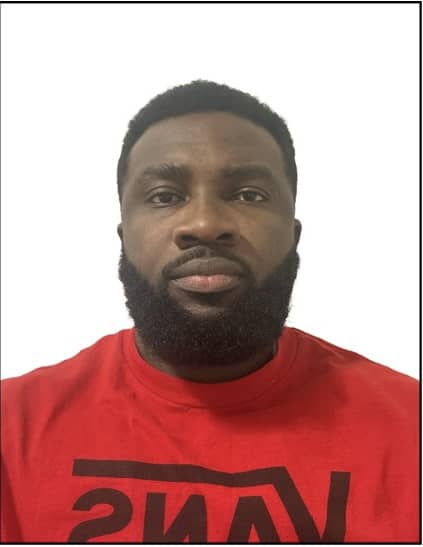
As Nigeria races toward rapid urbanisation, a silent crisis is unfolding beneath the surface of its most vital ecosystems. Dr. Richard Ita, an Ecologist and leading researcher on wetland contamination, has uncovered alarming levels of toxic metals in the wetlands of Akwa Ibom State. In a groundbreaking study, Dr. Ita found lead concentrations up to 20 times above safety limits in water bodies where local women fetch water and children play. The findings shed light on a growing environmental catastrophe with serious public health implications. In this exclusive interview, Dr. Ita explains the science behind the data, the human toll of wetland pollution, and what must be done to prevent irreversible ecological collapse across Nigeria.
You found shocking levels of lead and other metals in Akwa Ibom’s wetlands. Walk us through what you discovered.
1 tested two wetlands – one rural, one urban – and the results kept me up at night. In Udo Udoma, the urban site, lead levels were nearly 20 times higher than safe limits. Zinc contamination was so severe that it could disrupt entire aquatic food chains. What shocked me most? These are wetlands where children play, and women fetch water daily.
Why is the urban wetland so much worse off than the rural one?
Picture this: The urban wetland sits surrounded by auto shops, construction sites, and homes dumping waste directly into the water. Meanwhile, the rural wetland mainly deals with farm runoff. Our cluster analysis confirmed that most contamination comes from human activity – improper waste disposal, industrial runoff, and urban sprawl choking these vital ecosystems.
You mentioned women and children using these wetlands. What health risks are we looking at?
Let me put it plainly: A mother cooking fish from these waters might be serving her family a side of heavy metals. Lead exposure causes developmental issues in children. Cadmium accumulates in the kidneys. These aren’t hypothetical risks – we’re seeing contamination levels that would trigger immediate action in other countries.
Your study used terms like “geo-accumulation index.” Break it down – how bad is the pollution?
Imagine taking all the natural metal content in wetland soil, then multiplying it by 20-40 times – that’s what our contamination factors showed. The urban wetland scored 39.08 on our contamination scale; anything above 24 is considered ‘very high.’ These ecosystems aren’t just polluted – they’re in critical condition.
What’s being done right now to protect these wetlands?
Honestly? Not enough. There are policies, but enforcement is weak. I found pollution levels that violate FME standards, yet businesses keep dumping, construction continues, and wetlands keep shrinking. The community knows there’s a problem, but without government backing, they’re fighting an uphill battle.
You’re saying this isn’t just an Akwa Ibom problem?
Not at all. What we’re seeing here mirrors wetland crises across Nigeria. Urbanisation is outpacing environmental protections nationwide. The specific metals might differ – maybe more oil pollution in the Delta, more industrial waste in Lagos – but the pattern is the same: wetlands being loved to death by development.
Is there any hopeful news from your research?
Here’s the hopeful part: Wetlands are resilient. Even our most contaminated sites still support life. With proper management – regulating polluters, restoring buffer zones, and community education, we could turn this around. But it requires treating wetlands like the vital organs they are, not just vacant land waiting to be developed.
What’s one concrete action you wish people would take today?
Start seeing wetlands as life support systems. If you live near one, report dumping, plant native vegetation, and teach your kids its value. To policymakers, our data provides evidence; now we need enforcement. To everyone else, next time you hear ‘just a swamp,’ remember that the swamp might be filtering your future drinking water.
Your study found something surprising about nickel – it was higher in rural areas. How does that change our understanding of wetland pollution?
This was our ‘aha!’ moment. While lead and zinc spiked in urban areas, nickel peaked in rural wetlands, nearly 3 times background levels. Why? We traced it to agricultural runoff: fertilisers, pesticides, and even detergent waste from village washing activities. It shatters the myth that rural means ‘pristine.’ Both landscapes face threats, just different ones. The takeaway? We need tailored solutions. Urban areas need industrial regulation, while rural areas require sustainable farming education.
Your study used four different pollution indices. What story did they tell collectively that surprised you?
When I compiled the enrichment factors, geo-accumulation indices, contamination factors, and degree of contamination, their consistency shocked me. All four methods independently confirmed the same horrifying truth: lead and zinc pollution in these wetlands isn’t just occasional, it’s systematic and severe. My contamination degree values weren’t just numbers; they were proof that both wetlands have crossed into ‘very high contamination’ territory. The most chilling part? These indices all pointed to human activity as the dominant source, not natural processes.
What final message can you give to the public concerning your findings?
My message is simple: Wetlands are not wastelands; they are essential to our survival. What I found in Akwa Ibom is not just about toxic metals in water; it’s about the air we breathe, the food we eat, and the future we’re handing to our children. The pollution is real, it’s human-made, and it’s preventable. We all have a role to play in reporting illegal dumping, demanding stronger environmental enforcement, supporting sustainable farming, and most importantly, seeing wetlands for what they truly are: life-support systems. If we continue to treat them like dumping grounds, we’re poisoning not just the land, but ourselves. But if we act now, we can still protect them, and in doing so, protect our communities for generations to come.

