 Follow Us on Google News
 Follow Us on Google Discover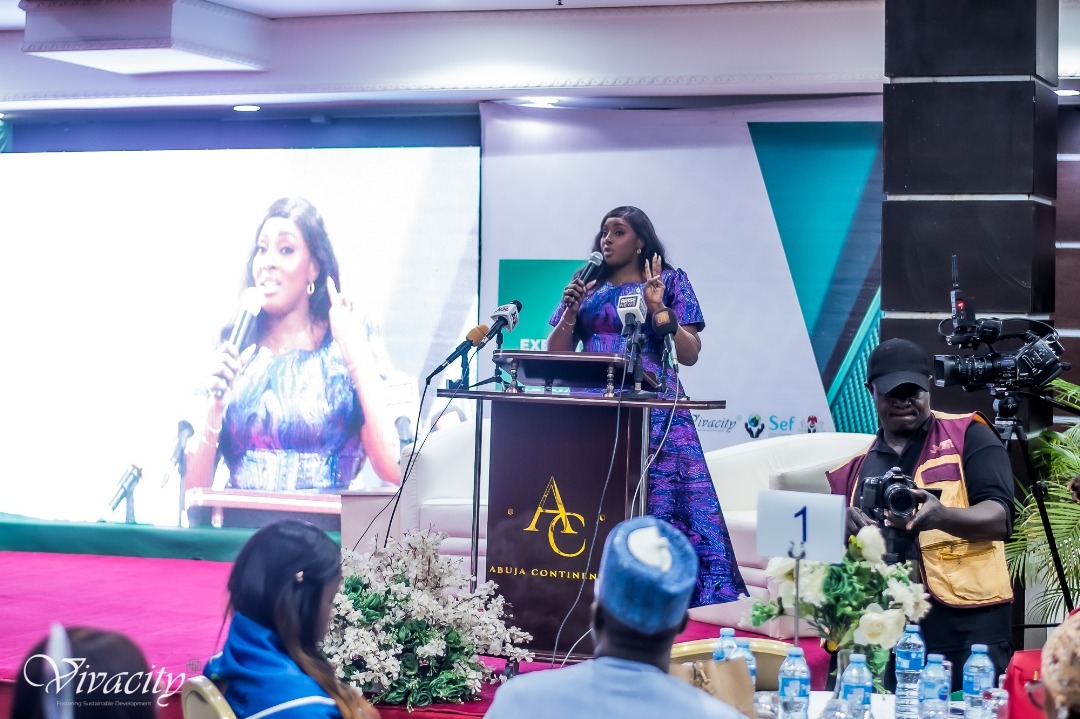
In a powerful convening on July 17, 2025, over 150 thought leaders, government officials, industry experts, and youth advocates gathered at the Abuja Continental Hotel for the Executive Consultation on the Future of Work, hosted by Vivacity Development and the Sam Empowerment Foundation (SEF). The event, part of the landmark NigeriaWorks 2030 Initiative, charted a bold new path for Nigeria’s workforce and economic development over the next decade.
With the urgent theme of preparing for a future where over 92 million jobs may be at risk of automation or redundancy, the consultation spotlighted the critical need for inclusive, skills-driven, and future-proof policies to safeguard Nigeria’s current and next-generation workforce.
A National Call to Action
In her opening remarks, Ms. Kiema, Program Director at SEF, emphasised the importance of integrating vulnerable communities—particularly youth, women, and the underserved—into future-of-work strategies. She highlighted a recent SEF initiative in Kuchingoro that upskilled over 60 children in trauma resilience and creative arts for sustainable income generation.
Delivering a compelling keynote address, Mr. Apera Iorwakwagh, CEO of the Global Strategic Business Alliance, stressed that poverty, unemployment, and digital exclusion remain key obstacles to progress. He called on the government to lead the charge in owning and scaling the NigeriaWorks 2030 agenda, citing data from the World Bank that reveals 130 million Nigerians—75% of the population—live in poverty, with a significant rural impact.
Introducing NigeriaWorks 2030
Engr. Oluwakemi Areola, CEO of Vivacity Development, unveiled the NigeriaWorks 2030 initiative—a multi-phase plan designed to drive a future-ready workforce, reduce illegal migration, and position Nigeria as a global outsourcing hub.
Phase 1: Awareness creation
Phase 2: Upskilling, university curriculum reform, and partnerships
Phase 3: Wealth creation and scale-up of decent jobs and SME engagement
Areola also referenced international dialogues already held in Dubai, Azerbaijan, and the USA, and upcoming convenings in Brazil and the UK, as part of a broader effort to align Nigeria’s future-of-work vision with global trends and opportunities.
Driving Real Conversations and Practical Solutions
The panel session, titled “Skills Gaps, Green Jobs, and the Digital Economy,” brought together experts from AREAi, the tech sector, and government to discuss bridging Nigeria’s skills divide, incorporating underserved populations through digital literacy, eco-smart training, and gig economy readiness.
A strong goodwill message from the Federal Ministry of Women Affairs reinforced the link between gender equity, skills development, and economic inclusion. The ministry also highlighted the graduation of 50 female mechanics in Edo State and the expansion of the Renewed Hope initiative to empower women and families.
Dr. Aisha Achimugu, Director and Executive Officer of FELAK Concept Group, delivered a stirring charge to stakeholders, urging Nigerians to go beyond aspirations and rhetoric.
“This is where you clap for yourself—for being Nigerian,” she declared, emphasising the strength and potential within the country’s own people.
She called for harnessing local talent to meet industry demands and reduce the growing trend of youth migration. She further emphasised the need to transform Nigeria’s Vision 2030 from just a plan into a blueprint with strategic intent, translating it into measurable performance and tangible results.
A dynamic debate session moderated by Fife Banks and Ebaide Omiunu surfaced urgent priorities for digital inclusion, AI adoption, cybersecurity, and labour policy reform.
Recommendations for Action
Breakout groups and stakeholder interventions led to actionable recommendations, including:
- Establishing a centralised workforce database
- Expanding rural internet access and digital infrastructure
- Redesigning labour classifications to include emerging roles
- Building cyber resilience and protecting local AI ecosystems
- Integrating change management frameworks for quick adoption
The Road Ahead
The Executive Consultation laid the groundwork for deeper collaboration, with a clear commitment to reskilling Nigeria’s labour force, improving data-driven policy, and embedding equity at the heart of economic planning.
The next phase of the NigeriaWorks 2030 Initiative will take place in London at Imperial College in September, continuing the conversation globally and strengthening Nigeria’s presence in shaping the future of work.
Event Sponsors: Halogen Security, DSTV, and Wastecare Solutions & Resources Management Limited

