 Follow Us on Google News
 Follow Us on Google Discover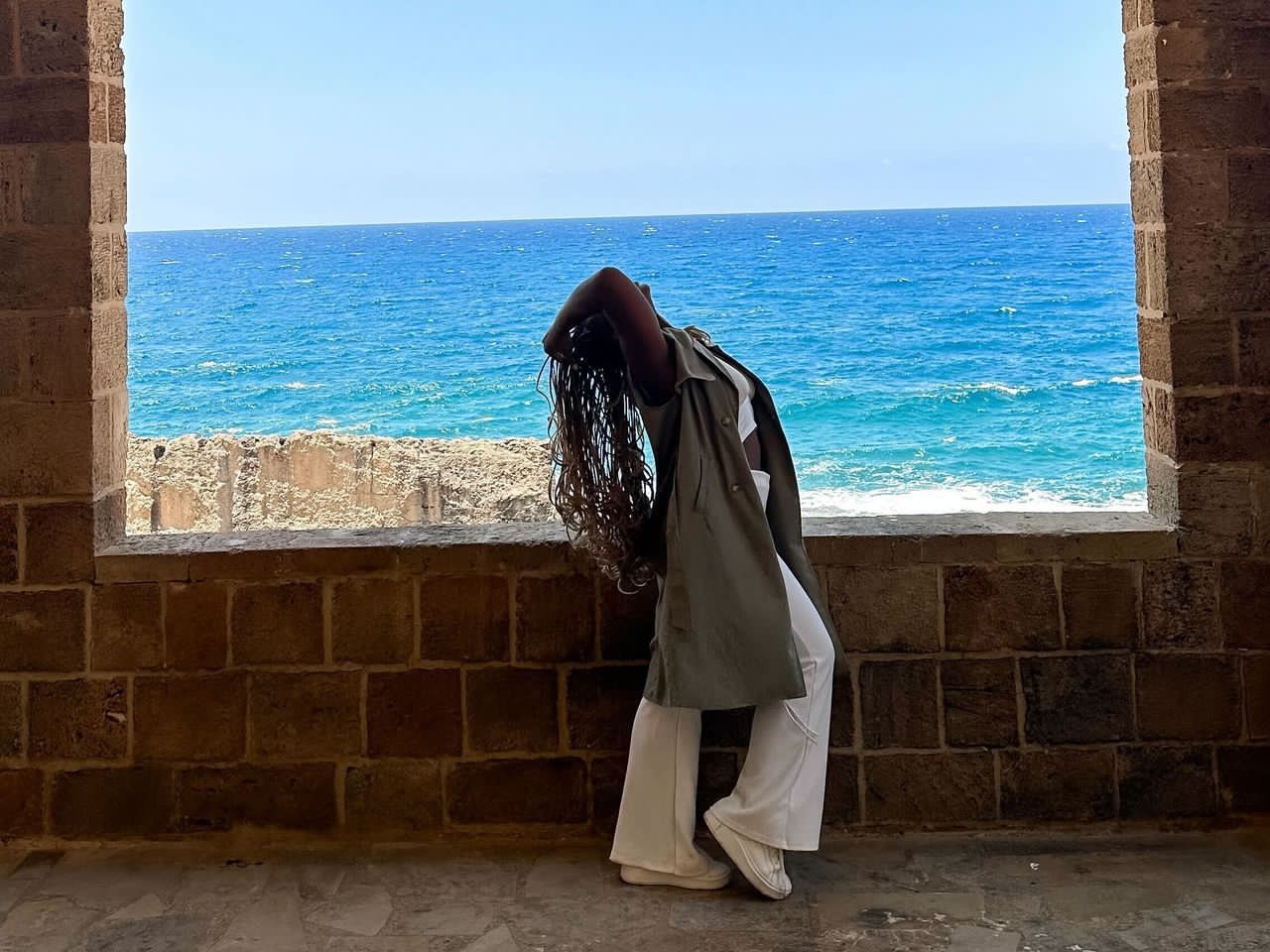
In early 2025, Chiamaka Amaku packed three suitcases, grabbed her passport, and boarded a flight that marked the start of a nine-country tour across Europe.
It wasn’t a honeymoon or a sabbatical. It was a reset. Everything familiar, work, routine, community, had begun to shift. So she moved.
Through airports, train stations, unfamiliar cities, alleyways she’d only seen on Pinterest.
“I needed new air. And moving made sense, she declared.
For Amaka and others like her,
movement has become more than wanderlust. It’s a way to process change, recover from burnout, and rediscover clarity.
Choosing motion over map pins; success used to be measured by how far you could get from home. But younger Nigerians are now crafting more fluid paths. From Lagos to Accra to Lisbon and back, they are building hybrid lives, where travel is not a gateway but an extension of the self.
The idea of settling no longer holds the same weight it once did. For many, travel offers the distance needed to hear oneself with clarity. It brings perspective, fresh energy, and sometimes, a gentle pause.

Amaku’s tour across Europe wasn’t extravagant. It was strategic. Budget airlines, shared
Airbnbs, and careful planning helped her visit 13 cities in 9 countries, all while working remotely and managing her businesses. She didn’t move because she had money. She moved because
she had to.
“I travel because I want to. The desire comes first. The planning comes after.
There’s something deeply relatable in that. For many young Africans, the urge to move is not always about adventure. Sometimes it is about recovery – from burnout, from heartbreak,
from feeling stuck.
The business of moving was a big factor a as she is not just a traveller. She is a businesswoman. She runs a wig brand, a retail shop, and a travel business that helps others plan trips like hers.
She is part of a growing class of African entrepreneurs building brands that live online and move with them. These businesses are light on location, heavy on internet connection. Their HQ is a WhatsApp group. Their storefront is Instagram. Business payments happen across borders via platforms like Flutterwave. Movement fuels both the work and the brand.
The Role of Tech: A life in motion is powered by more than willpower. It is made possible by digital tools.
Platforms such as Google Sheets help plan multi-city routes. Online communities offer tips on flights
and visas. Fintech tools handle the logistics. Services like Send App by Flutterwave quietly support this lifestyle. They help travellers like Amaka stay connected to home, send money to loved ones, or receive support while abroad.
In a world where income might be earned in London but rent is due in Lagos, seamless cross-border finance is not a luxury. It is a necessity.
Becoming in Motion
What is most striking about stories like Amaku’s is the transformation that comes with them.
For this generation, movement is about possibility. It is about reclaiming agency and finding clarity in motion. It is not always glamorous. It’s often messy, but always real.
As Amaka said, “It’s never
about the country. It’s about coming home to yourself, just in a different place.
”In a world where permanence feels outdated, many young Nigerians are choosing to move. Being able to make simple, stress-free payments gives travellers like Amaku an inner peace that supports their traveling desires

