 Follow Us on Google News
 Follow Us on Google Discover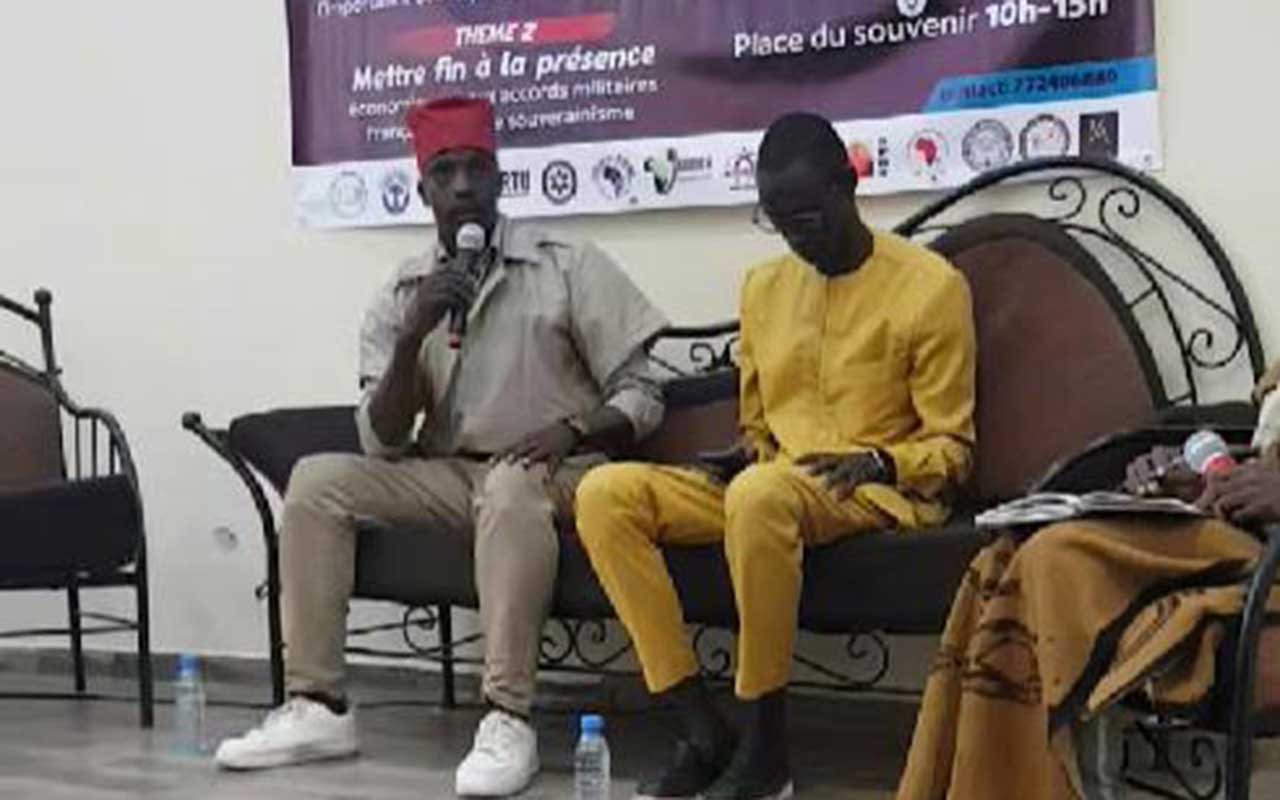
France’s colonial past has faced renewed scrutiny as prominent pan-African activists, historians, and journalists convened in Dakar to demand reparations and structural reform from the former colonial power.
The event focused on two pressing demands: formal reparations for colonial-era abuses and a total overhaul of economic and military arrangements that activists say reinforce France’s lingering control in the region.
Representing Thiaroye 44 Movement, a coalition representing descendants of the Senegalese tirailleurs (African soldiers conscripted into French service), Babacar Dioh, said, that the time for symbolic gestures is over. “We are now filing an official reparations claim and taking concrete steps to hold France accountable,” he added.
Leader of JIF’AFRIK, Souleymane Diallo, called for the dismantling of what he described as neocolonial frameworks that continue to undermine African sovereignty. “We must renegotiate the terms of our military presence, our trade relationships, and confront the ecological and social scars left behind,” he said.
Speakers also criticised the continued operation of French military bases in the region and the CFA franc monetary system, which many argue limits economic independence. Discussions underscored how colonial-era structures have evolved into modern instruments of dependency.
Held at the symbolic African Memorial Square, the roundtable drew participants from civil society organisations including the Association of Descendants of Senegalese Soldiers, the Front for the Withdrawal of French Military Bases (GASSI), and JIF’AFRIK. United under a shared call for justice, participants urged France to fully acknowledge and atone for its colonial legacy in Senegal and the broader West African region.
The roundtable marked a significant moment in Senegal’s growing role as a hub for Africa-wide reparatory justice advocacy. Activists emphasised that reparations are not solely financial, but must include recognition, restitution, and institutional reforms aimed at redressing centuries of exploitation.

