Follow Us on Google News


 Follow Us on Google Discover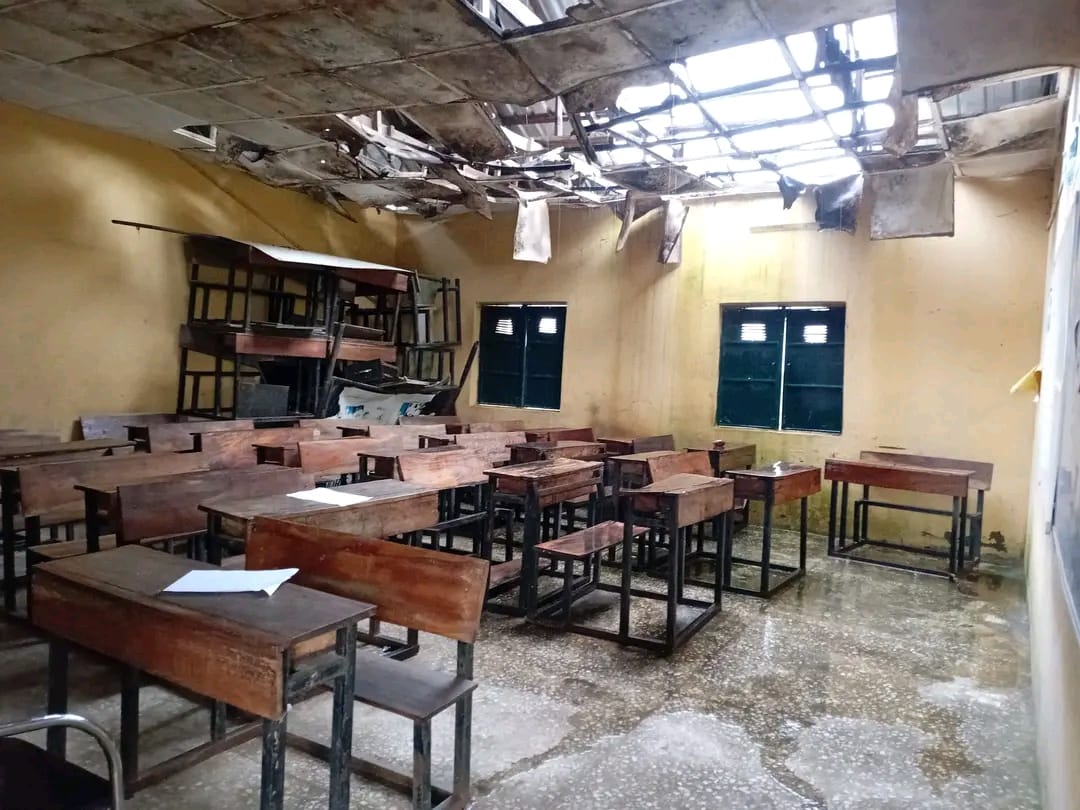
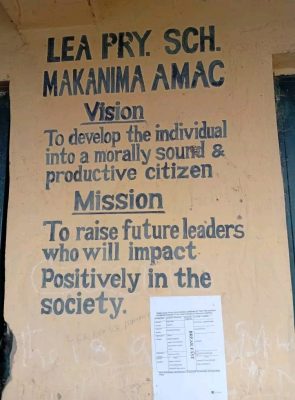
As the LEA Primary School Makanima in Abuja Municipal suffers neglect and is left in ruins, hundreds of pupils have dropped out, and some have turned to farming.
This was revealed in a statement released by a civil society organisation (CSO), after a recent visit to the Abuja school.
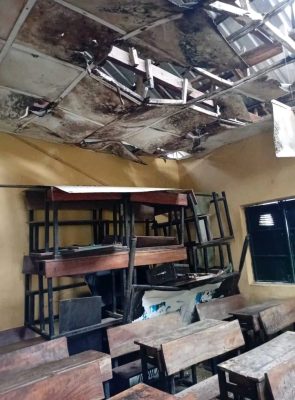
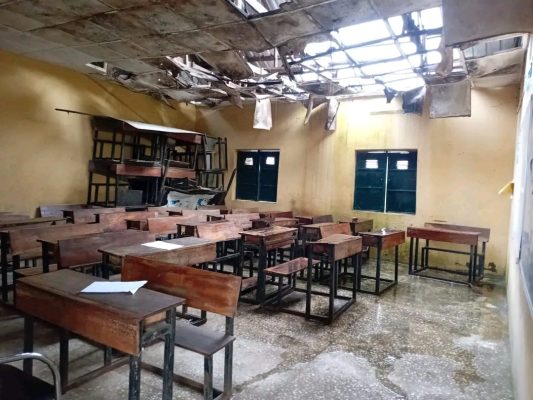
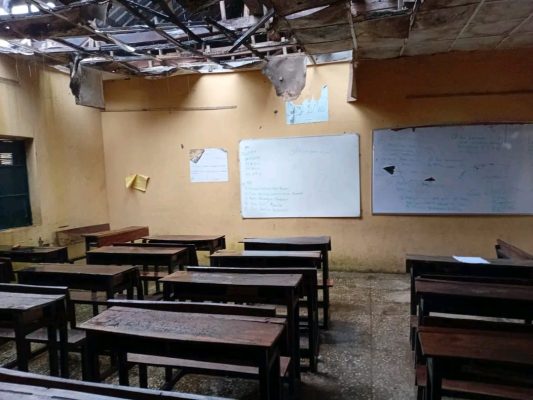
According to MonITNG, the classroom walls are cracked, the ceilings have collapsed, the furniture is broken, and weeds are taking over the institution of learning.
“For the children of this community, education has become a luxury. Hundreds of pupils have stopped going to school because there are no classrooms left for them to learn.
“Their laughter, once heard in the playground, has been replaced with silence. For many of them, the dream of becoming doctors, engineers, or teachers is slowly fading,” the CSO noted.
The CSO added that parents who can afford to enrol their children in private schools have done so, while others who are unable to afford an alternative have resigned to fate.

“Many children have now turned to farming, their little hands carrying hoes instead of books, while their peers in the city enjoy quality education,” it added.
With no classroom to teach in, teachers have resorted to gathering the pupils under the trees for lessons.
The CSO questioned why the LEA Primary School Makanima is in this pitiful condition despite the ₦121 billion UBEC funds released to 27 states, including the FCT.
“In 2024 alone, ₦121 billion UBEC funds were released to 27 states , including the FCT, yet communities like Makanima have seen no change. Where is the money? Why should underserved children continue to suffer because leaders have failed to prioritise them?” it questioned.
MonITNG also slammed Federal Capital Territory (FCT) Senator Ireti Kingibe for neglecting the school and focusing instead on projects like health facilities that lie abandoned and overgrown by weeds.
“The FCT Minister, while commended for road construction, must remember that children cannot learn on roads. Classrooms are equally important as highways.
“The billions set aside for massive city-centre projects like the ICC could also transform schools across satellite communities. A true capital city is not measured only by skyscrapers and highways but by how it treats its most vulnerable citizens, its children.”