 Follow Us on Google News
 Follow Us on Google Discover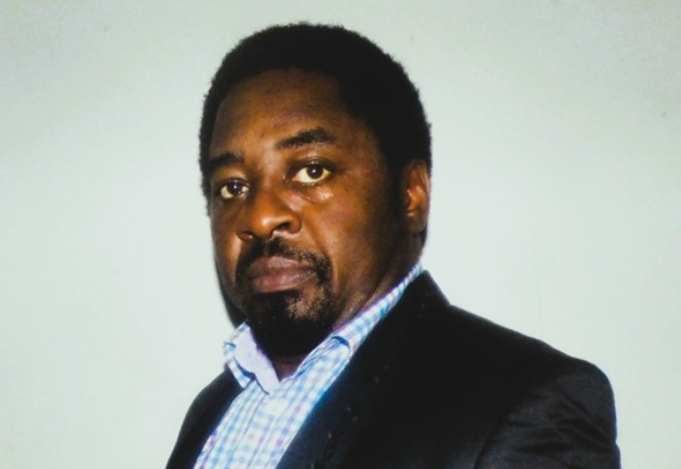
Nigeria’s energy story is often told in numbers of the barrels of oil produced, revenues earned, or reserves discovered. But those statistics overlook the people whose expertise keeps offshore projects running. Among them is Chidi Ezenwe, a subsea engineer whose work has placed him at the heart of some of the country’s most demanding offshore developments.
In an interview with Ezenwe, a subsea engineering expert, the conversation quickly turns to the challenges of working far beneath the ocean surface. “Delivering large-scale subsea projects requires precise coordination across diverse technical teams,” he says.
“Each phase presents unique challenges, from navigating the harsh underwater environment to integrating advanced control systems. Innovation and collaboration are the only ways forward.”
Ezenwe is part of a generation of engineers tasked with maintaining the intricate systems that transport oil and gas from offshore fields to onshore facilities. “Delivering large-scale subsea projects requires precise coordination across diverse technical teams,” he says.
“Each phase presents unique challenges, from navigating the harsh underwater environment to integrating advanced control systems. Innovation and collaboration are the ways forward.”
Ezenwe’s role has included overseeing upgrades and refurbishments to offshore systems, work aimed at reducing downtime and ensuring operations remain reliable. Yet he is quick to stress that this is not just about efficiency.

“Every inspection, every repair isn’t just technical,” he notes. “It’s about keeping Nigeria’s production stable and showing that our engineering capabilities can stand side by side with the best in the world.”
Safety, however, remains a constant concern in offshore work. Ezenwe has been part of teams responsible for technical reviews, hazard identification workshops, and the resolution of engineering non-conformities.
These efforts, he explains, are less about statistics and more about trust. “These aren’t just checklists,” he insists. “They are lifelines. Offshore crews trust us to make sure the systems they work with will bring them back home safely.”
Industry observers point out that Nigeria’s offshore sector sits at a crossroads. On one hand, offshore oil is still the backbone of government revenue and a key source of jobs for skilled and semi-skilled workers; on the other, global debates about energy transition are pressing the country to rethink its long-term dependence. Communities along the Niger Delta and coastal areas also watch closely, as offshore operations bring both economic opportunities and environmental risks.
For Ezenwe, this makes the development of local expertise all the more important. “Ultimately, it’s about building infrastructure that stands the test of time,” he reflects. “Nigeria cannot afford short-term fixes. We must build systems that support sustainable energy production, attract investment, and give the next generation confidence that this sector can deliver.”
For all the technicalities, his story points to something larger: Nigeria’s energy future depends as much on human skill as it does on natural resources. Beneath the waves, far from the public eye, engineers like Ezenwe are shaping the systems that keep the nation’s economy afloat, while carrying the responsibility of ensuring that offshore oil contributes not only to government coffers, but also to safer workplaces, stronger communities, and a more resilient future.

