 Follow Us on Google News
 Follow Us on Google Discover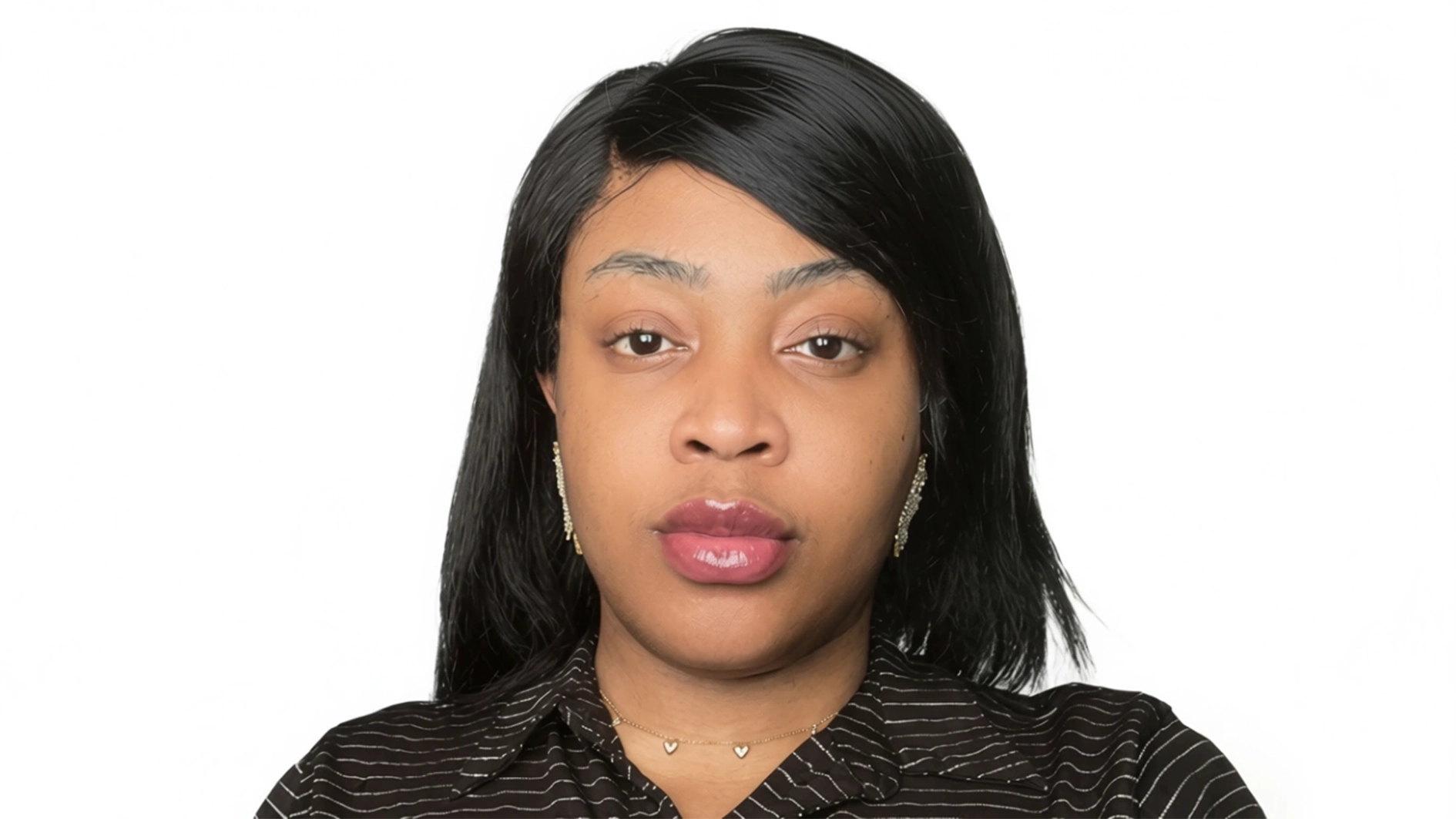
Nigeria has marked World AIDS Day by recognising the work of public-health data specialist Chinedum Favour Ajala, whose contributions to HIV surveillance and community-level monitoring have helped improve the country’s epidemic-response infrastructure.
Ajala, a field epidemiology practitioner, has played a central role in strengthening HIV case-surveillance systems, modernising digital reporting tools, and improving data governance structures used to guide national planning. Officials say her work has reinforced critical elements of the country’s HIV-response framework, including facility-level monitoring, linkage-to-care tracking and viral-suppression reporting.
In several high-burden states, Ajala led efforts to deploy digital tools that improved the accuracy and timeliness of HIV testing and case reporting. These tools enhanced documentation workflows connecting HIV screening to treatment enrolment and retention, while new field-level systems gave programme managers real-time visibility on testing performance, hotspot trends and coverage gaps. Health experts say the shift from manual reporting has reduced inconsistencies that once undermined national epidemic-control strategies.
A senior HIV programme coordinator described her work as “a catalyst for stronger surveillance integrity”, adding that the digital improvements had strengthened coordination between community testing teams, health facilities and state reporting units.
Her role also extends to national structures, where she has supported the introduction of data-verification protocols and quality-assessment procedures across states. Ajala has trained field testers, data clerks and surveillance officers on WHO-aligned standards, helping reduce discrepancies between facility and state databases. These improvements have given policymakers more reliable information about high-risk groups, testing coverage, PMTCT gaps and treatment-support needs.
Ajala has also supported efforts to make HIV surveillance more inclusive. Her work has expanded monitoring among hard-to-reach groups, improved visibility for adolescents and young people often missing in traditional reporting, and strengthened capacity among community-level outreach teams. A technical advisor working on the national response described her as part of a “new generation of digital public-health leaders” skilled in both data governance and community engagement.

Officials say her contributions support progress towards the UNAIDS 95-95-95 targets by improving case detection, strengthening tracking of treatment linkage, and ensuring more reliable viral-suppression data for national planning. The reforms also contribute to broader epidemic-readiness efforts as Nigeria works toward its 2030 control goals.

