 Follow Us on Google News
 Follow Us on Google Discover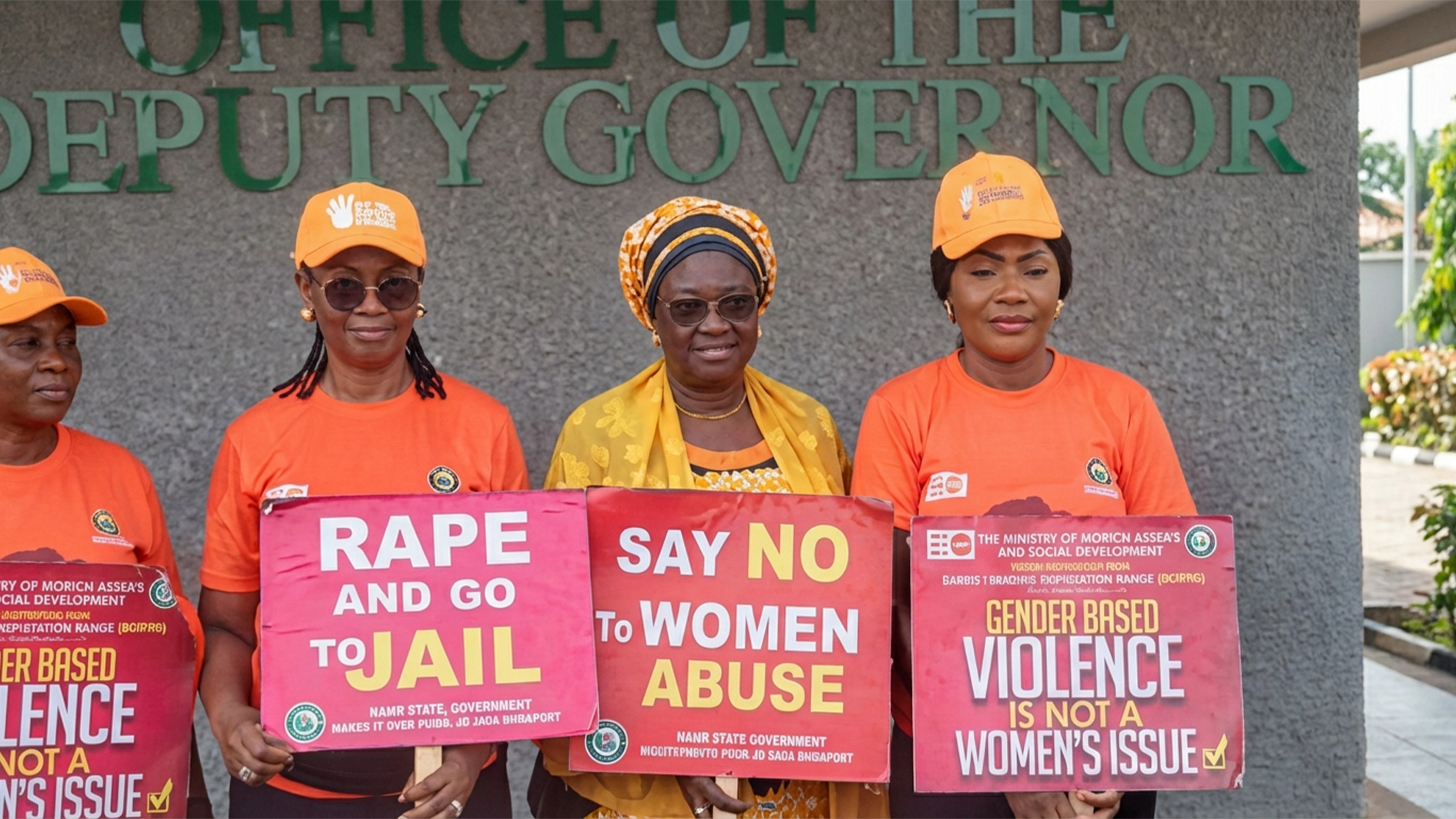
Ogun State Commissioner for Women Affairs and Social Development, Hon. Adijat Adeleye, has called on the State House of Assembly to enact stronger legislation to curb Gender-Based Violence (GBV) and protect the girl child, women, and other vulnerable groups.
Adeleye made the appeal yesterday shortly after an advocacy walk held in Abeokuta to mark the 2025 Sixteen Days of Activism Against GBV.
The First Lady, Mrs. Bamidele Abiodun, led the walk alongside members of the Spouses of Government Functionaries Association (SOGSFA), and other stakeholders. This year’s campaign is themed “Unite to End Digital Violence Against Women and Girls.”
She disclosed that the state recorded 502 cases of GBV between January and November 2025, describing the figure as alarming.
Of these, 120 cases were reported at the state’s Sexual Assault Referral Centres (SARCs), while the rest were documented through area offices and partner organisations. Adeleye noted that many more cases remain unreported due to fear, stigma, and social pressure.
The Commissioner listed sexual assault, domestic abuse, child molestation, digital harassment, and intimate partner violence as the most common forms of GBV.

She urged lawmakers to enact laws that not only punish offenders but also strengthen institutions responsible for supporting survivors.
Adeleye said the increase in reported cases reflects both the persistence of violence and improved reporting mechanisms.
She identified digital-related abuse—including cyberbullying, online harassment, sextortion, and impersonation—as emerging threats, warning that technology has created new avenues for anonymous and remote abuse. She advocated the establishment of a special court for GBV cases.
She highlighted ongoing state-wide sensitisation efforts targeting rural and urban communities, traditional institutions, religious organisations, and schools. These initiatives aim to dismantle harmful cultural norms and promote Comprehensive Sexuality Education (CSE) to help young people understand consent, personal safety, and digital responsibility.
Adeleye also identified slow judicial processes, family interference, underfunded survivor support services, and poor inter-agency coordination as key challenges slowing progress.
She cited a recent defilement case involving two minors, where the suspect remains at large despite medical evidence, as an example of systemic failures.
She called on parents, teachers, digital platforms, and community leaders to do more to safeguard children, and encouraged men to serve as allies in advocating a violence-free society.
The Commissioner reaffirmed the government’s commitment to strengthening its toll-free reporting lines, shelters, and referral centres, stressing that combating GBV requires sustained effort, stronger laws, and firm accountability.
She further outlined interventions implemented by the ministry in partnership with the Ogun State Economic Transformation Project and the UN Population Fund (UNFPA), including strengthening SARCs, expanding temporary shelters, and building capacity for law enforcement officers, teachers, health workers, and social workers on digital safety and GBV response.

