 Follow Us on Google News
 Follow Us on Google Discover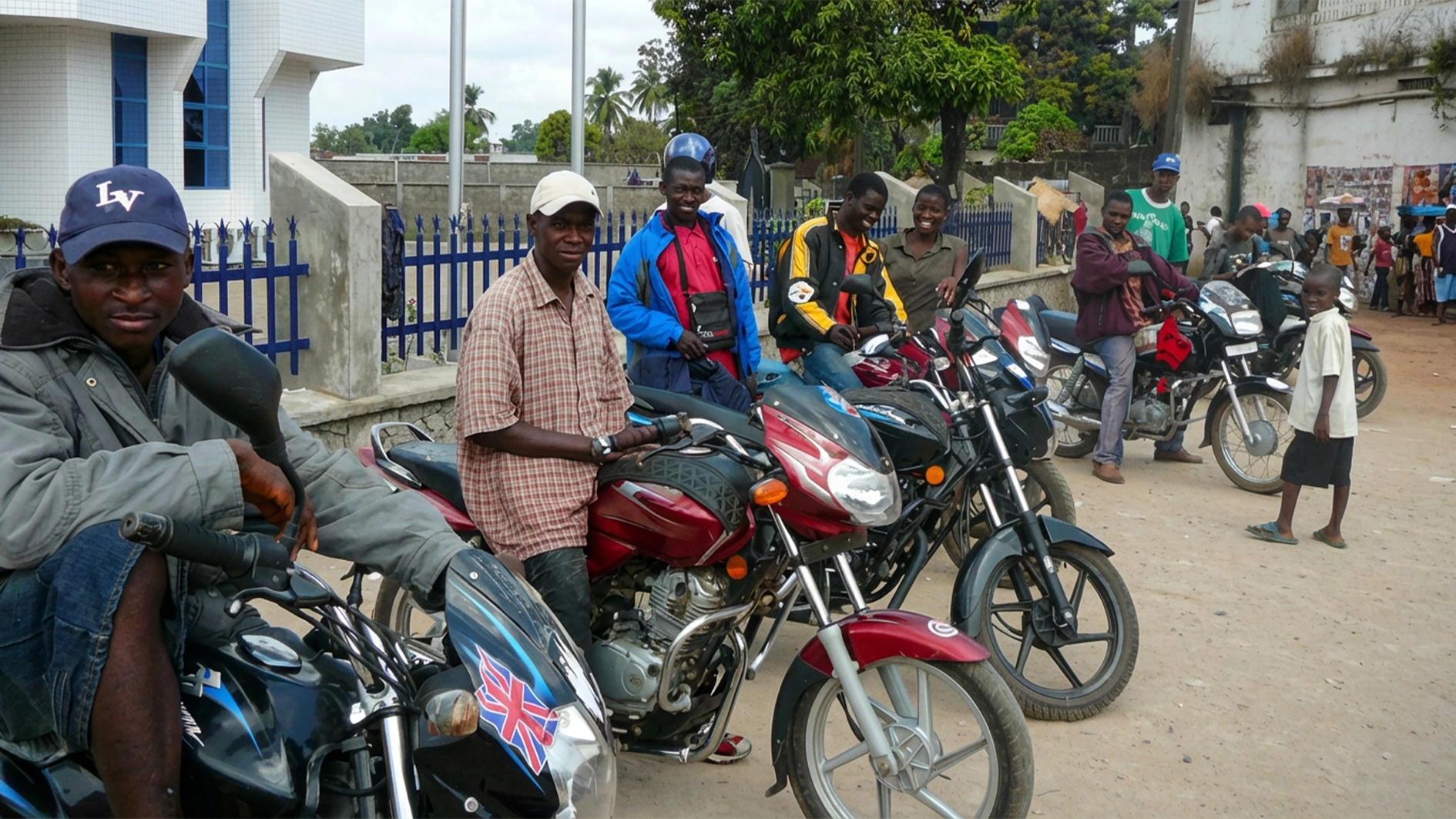
• Union, councils clash over sharing formula
Commercial motorcyclists, also known as Okada, in Ogun State have kicked against the daily N200 fee for insurance by the authorities of Abeokuta South and North local councils’ chairmen.
They described the move as an attempt to exploit the riders despite the N800 daily ticket collected by the unions.
Chairmen of Abeokuta South Local Council, Afeez Balogun, and his Abeokuta North counterpart, Lanre Sodipo, recently met with the leadership of the unions on the charge for daily premium ticket collection for the insurance scheme whose engagement deadlocked.
The two chairmen, during a briefing at the Nigeria Union of Journalists (NUJ) Secretariat, Abeokuta, accused the leadership of the unions of sabotaging the councils’ efforts to insure the riders with a proposed N300 as a daily payment for the premium to cover medical expenses in accidents.
The unions are Motorcycle Owners and Riders Association (MORA) of Ogun State, Amalgamated Commercial Motorcycle, Tricycle, Repairers Association of Nigeria (ACOMORAN), Articulated Motorcycle Owners and Riders Association of Nigeria (AMORAN) and Riders and Owners of Motorcycle Organisations (ROMO).
The Guardian learnt that the unions kicked against the premium because the council authorities refused to let their officials collect a ticket for the premium from the riders owing to a sharing formula between the duo.

An insider from the Ministry of Transport stated that the state government might wade into the matter and find a way to settle issues about the premium ticket between the unions and councils or bury the idea.
However, in separate interviews, the riders operating across the two councils argued that collecting N200 daily (about N6,000 monthly) as a premium ticket was another way the authorities wanted to rob them of their hard-earned money despite their sufferings necessitated by the economic hardship in the country.
A rider, Taiwo Oladeji, said the N200 daily insurance premium was a ploy by the councils’ administrations to exploit the riders and place another fee burden on them despite the N800 daily ticket collected by the union leadership.
Oladeji, who said he had been a rider for the past 10 years without involvement in an accident, said he needed no insurance scheme because his faith would always protect him and the passengers from mishaps.
He said, “I don’t think the card is feasible. I think they just want to exploit the Okada riders. So if an Okada man had an accident, to which hospital are they taking him? As an individual, I think I have the right to buy insurance policy on my own.”
“So, it is not the local council that will tell me that I should go for insurance. Since over 10 years that I have been riding my Okada, I have not had an accident. No Okada rider will pray for an accident. Calculate N200 daily from each Okada rider, how much will that be, because I know not all Okada riders will be involved in an everyday.”
A rider from the North, Habba Sani, described the daily premium as a form of exploitation, explaining that the ticket of N300 premium was first introduced to the riders, but was later slashed to N200, stressing that collecting N200 premium with the N800 union’s ticket everyday was a big burden on the motorcyclists.
He said, “Hausa Okada riders have stopped paying the N200 daily collection for the insurance scheme because whenever anyone of us had an accident, Abeokuta North council health centres would refuse to pick up our calls, so we too stopped paying for the scheme. We can’t continue to pay for the insurance scheme because the N1,000 daily ticket the union collects from added to the N200 is too much. I think this is another way of exploitation.”
But Balogun said the insurance scheme was not a ploy to exploit the riders but to bring the Ogun State Health Insurance Scheme to the doorsteps of the riders for financial protection against unforeseen circumstances such as sickness or accidents.
The council boss wondered why the riders’ unions, despite N800 daily ticket fees they collect from the riders, would be against the N300 proposed daily premium, which was later reduced to N200 by the two councils, to cover financial protection of the riders’ healthcare and mitigate against damages whenever they engaged in an crash.
The insurance scheme, the council chairman said, was another way the two local councils could support the good work of Governor Dapo Abiodun, urging the leadership of the unions to take a critical look at the insurance scheme and allow both parties to work amicably for the health and safety of the riders in the councils.
“We come up with insurance as a means of welfare back to our citizens and riders as well because it is not just accident insurance but a regular insurance that covers your everyday sickness like malaria, hepatitis, typhoid, diabetes, high blood pressure, hypertension, operations to mention a few. Have they ever received that from their unions? Have passengers ever received free accident care? Maybe they get injured from bike accidents and get treated at state hospitals or at Federal Medical Centre (FMC).
“So we are giving you value for your money versus no value. What value are they getting from other payments they make to the unions? Governor Abiodun has come out with a very robust welfare package that covers insurance, drug availability and sustainability of the system,” he added.

