 Follow Us on Google News
 Follow Us on Google Discover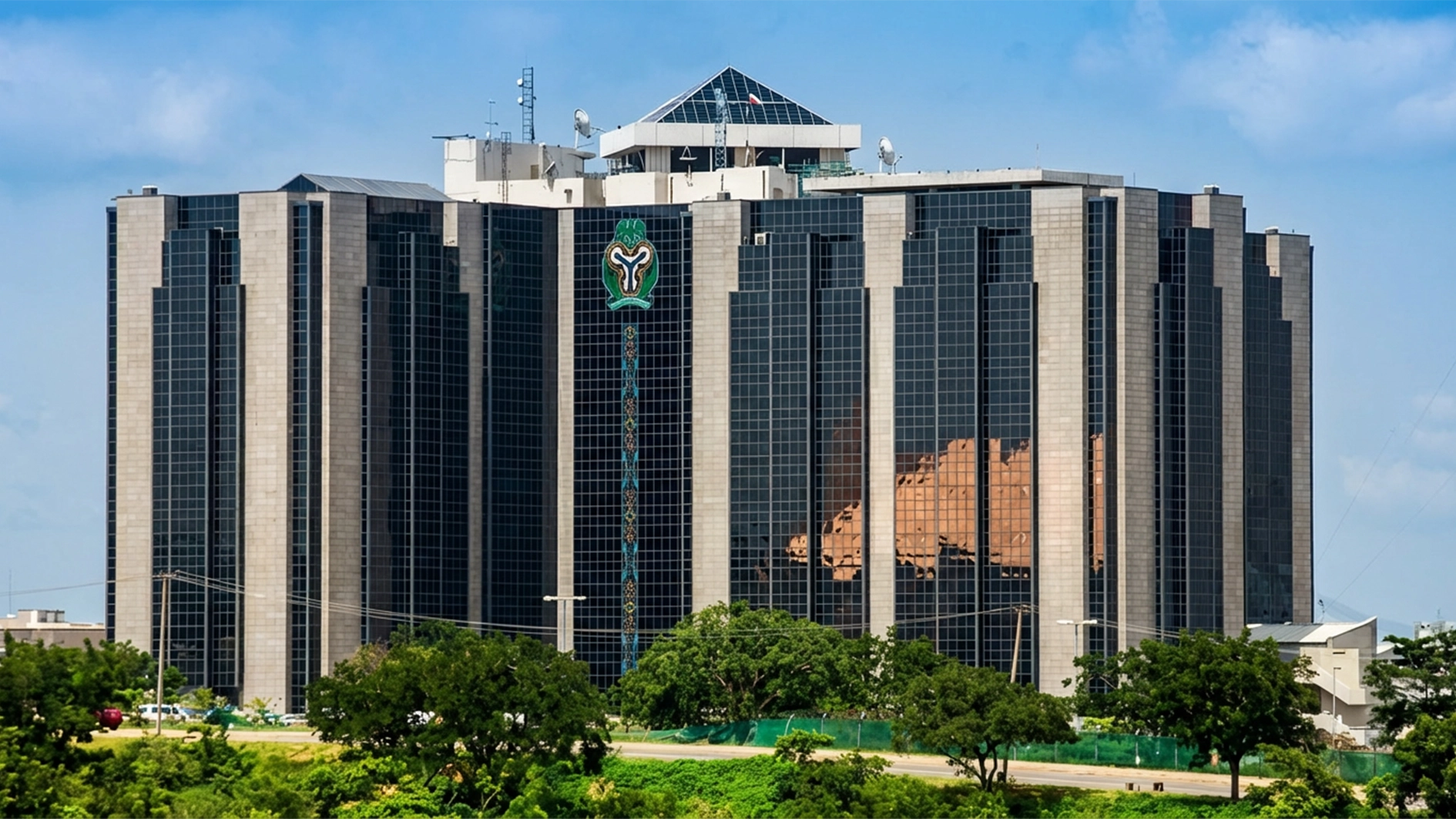
As Nigeria edges toward a pre-election year, a report has warned against aggressive expansionary fiscal spending, urging the government to adopt innovative financing strategies to sustain the country’s fragile economic recovery.
In the Economic Outlook Report 2026, titled ‘Hope and the Politics of Economic Recovery’, Proshare analysts said a critical option lies in the financialisation of idle public assets. Not through outright divestment, but by listing minority equity stakes on the capital market to unlock value and fund revenue-generating projects.
The analysts argued that the proposed listings and concessions involving the Nigerian National Petroleum Company Limited and other state-owned enterprises, as outlined by the Bureau of Public Enterprises (BPE), could play a transformative role by attracting investment, strengthening external reserves and supporting medium-term growth projections.
They pointed out that the current administration would need to pursue a more vertical, data-driven growth strategy focused on creating new economic value rather than simply extending existing policy frameworks.
The analysts noted that Nigeria was beginning to show early signs of economic recovery, driven by recent macroeconomic policy adjustments that are gradually placing the economy on a more favourable growth path.
However, they cautioned that its durability will depend largely on domestic interest rate conditions and the scale of the fiscal deficit.
In addition, they pointed out that the Central Bank of Nigeria’s (CBN) Monetary Policy Committee held the benchmark interest rate at 27 per cent for the rest of the year, a decision that would continue to influence borrowing costs, liquidity conditions and investment appetite.
Looking ahead to 2026, the report expects the apex bank to remain cautious and resist the use of ways and means (M&M) financing to accommodate higher government spending, despite the political pressures typically associated with a pre-election year.
They explained that this conservative monetary stance would shift more responsibility to fiscal authorities to raise funding through the treasury bills and bonds market.
Proshare analysts added that a sustained moderation in inflation would be essential to enable the government to issue debt at lower incremental yields, thereby preventing a sharp escalation in the debt service burden.
On price stability, the analysts projected that domestic inflation could ease to the upper single-digit range in 2026, but cautioned that this outcome would be heavily dependent on a steady appreciation of the naira against the US dollar.
The report also anticipated a shift toward stronger subnational economic regionalism in 2026, driven by newly established regional development commissions.
Proshare analysts identified the South West as a potential catalyst, citing its stronger internally generated revenue base and lower dependence on federal allocations.
They said increased competition among regions could lift national productivity and echo the economic dynamism recorded in Nigeria’s early post-independence years.

