 Follow Us on Google News
 Follow Us on Google Discover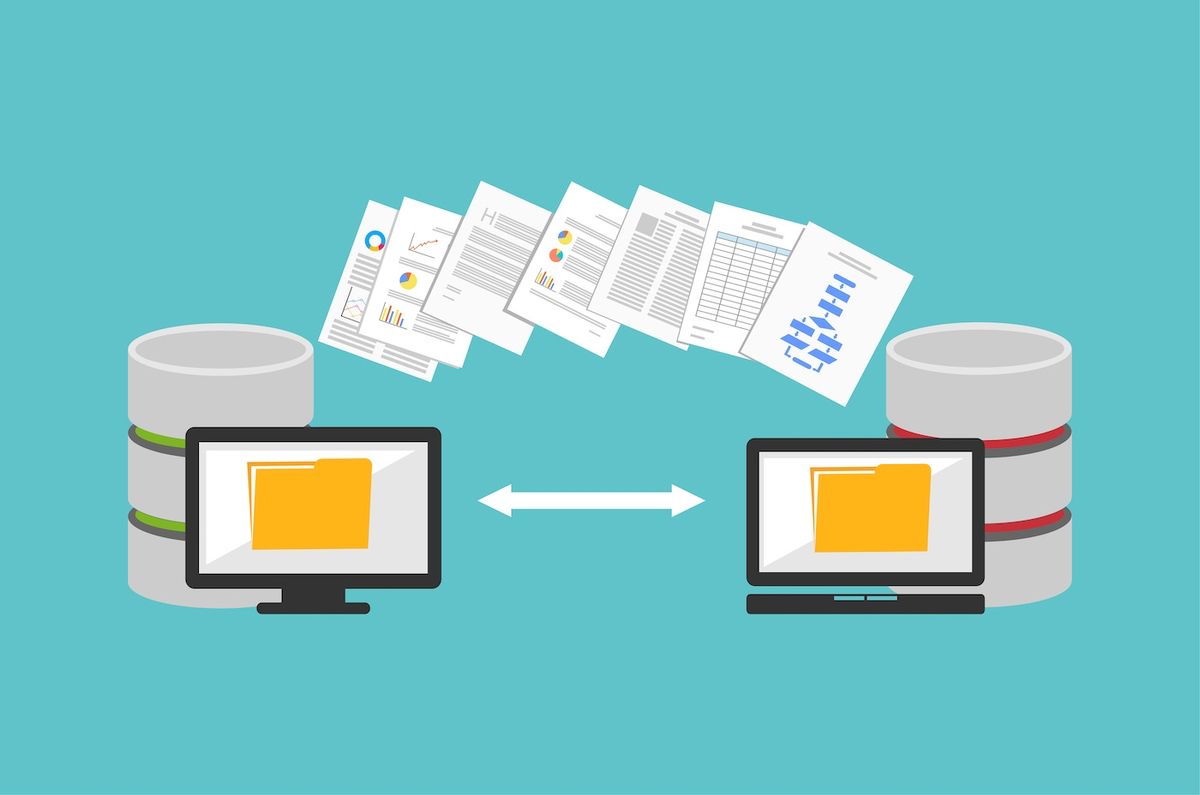
The migration of enterprise data records from the legacy systems to the cutting-edge data technology platform has been at the centre of business and customer domain operations. This monumental shift, completed amid Nigeria’s bustling e-commerce boom, promises faster data processing, enhanced scalability, and cost savings that could reshape how businesses handle customer insights in an increasingly competitive market. Industry experts hail the development as a game-changer for local enterprises grappling with data overload in the post-pandemic era.
As Nigeria navigates persistent economic headwinds, particularly the soaring inflation that compels consumers to seek smarter spending options, the timing of this data migration couldn’t be more pivotal. Recent data from Jumia, a leading player in Africa’s e-commerce landscape, highlight a growing shift among Nigerians towards digital shopping to maximise their naira as living costs continue to escalate.
With inflation biting hard and projected to hover around double digits through much of 2025, online shopping has become not just a convenience but a necessity for managing household budgets. This data migration, with its robust handling of large-scale datasets, enables retailers to analyse customer behaviours in real time, enabling them to provide tailored offers that resonate with the current trend of frugality.
Take the logistics giant FedEx, a cornerstone of American commerce that moves over $2 trillion worth of goods each year. Within this dynamic environment, a Programmer Analyst like Chinelo Okonkwo takes the lead in tailoring tools such as Planview Portfolios. By designing intuitive dashboards and workflows, she enhances project management while ensuring seamless integration with other systems through APIs.
Programmer Analysts like Okonkwo in the IT Effectiveness/Governance Department at FedEx Services are crucial to the organisation, ensuring that IT systems operate smoothly and efficiently, upholding governance, compliance, and optimising overall IT performance.
This process entails examining business needs from different stakeholders, crafting and developing tailored software solutions, and ensuring that application systems are in harmony with the company’s strategic objectives.
For example, there is an emphasis on tools such as Planview Portfolios, where customisation of dashboards, workflows, and reports is key to optimising project portfolio management. Additionally, these systems are integrated with other enterprise platforms via APIs to facilitate a smooth and efficient data exchange.
Each day involves engaging in coding across a variety of languages such as Java, C#, Python, SQL, and JavaScript; troubleshooting system issues to ensure and maintain reliability; developing sophisticated analytics to support decision-making; and collaborating with project managers, business analysts, and end-users to gather feedback and deliver solutions on time.
Professionals like Okonkwo play a crucial role in helping companies respond swiftly to changes, minimising risks and enhancing decision-making in an industry where speed and dependability are essential.
The impact of her work extends far beyond immediate boundaries. With an anticipated nine per cent growth of computer systems analyst positions in the United States from 2024 to 2034, outpacing many other professions, individuals like Okonkwo are at the forefront of innovation across various sectors, including e-commerce and manufacturing.
She is transforming what could be chaotic environments in tech-driven companies into efficient operations that save millions and generate high-paying jobs. For Nigeria, this is a source of immense pride. Diaspora talents like Okonkwo are not just participating but contributing in America’s $2.7 trillion tech spending arena.
As Okonkwo and her peers work diligently behind their keyboards, they remind us that, in today’s connected world, sound IT governance is not merely an option; it is the backbone keeping America’s industries competitive and resilient.
Similarly, Nigeria’s e-commerce landscape is surging, driven by a remarkable 103 million internet users and cutting-edge payment solutions like Buy Now Pay Later (BNPL) schemes, which are projected to reach a market value of $2.61 billion this year.
Major players like Jumia and Konga are experiencing phenomenal growth, with Jumia’s second-quarter (Q2) earnings indicating a 25 per cent year-on-year surge in orders and a 36 per cent increase in gross merchandise value, especially in neglected rural and semi-urban regions where e-commerce is closing access gaps. In this context, the shift from legacy systems to data is not just technical; it is a strategic move that allows retailers to scale their operations more efficiently.
By harnessing data technology, businesses can now handle and process billions of records without the bottlenecks of traditional systems, ensuring seamless integration with AI-powered tools that are becoming increasingly common in payments and customer service.
Experts are shining a light on the far-reaching consequences for Nigeria’s digital economy. Dr Aisha Bello, a Lagos-based digital transformation consultant, notes, “This migration exemplifies how local businesses are adopting global tech standards to thrive in a cashless society.”
With e-payment transactions expected to soar to NGN 284.9 trillion in Q1 2025, the urgency for an agile data infrastructure has never been clearer. As the continent sets its sights on exceeding half a billion e-commerce users by the end of the year, Nigeria’s retail sector is strategically positioning itself to lead the way, turning data overload into insightful, actionable intelligence.
As we look to the future, this initiative has the potential to spark similar enhancements across various sectors, strengthening Nigeria’s vision of becoming the tech powerhouse of Africa. In a year characterised by remarkable e-commerce growth in Q4, fuelled by holiday shopping and mobile-first innovations, these advancements highlight an unwavering spirit in the face of challenges. They affirm that, when leveraged effectively, data is the new oil powering Nigeria’s economic progress.

