 Follow Us on Google News


 Follow Us on Google Discover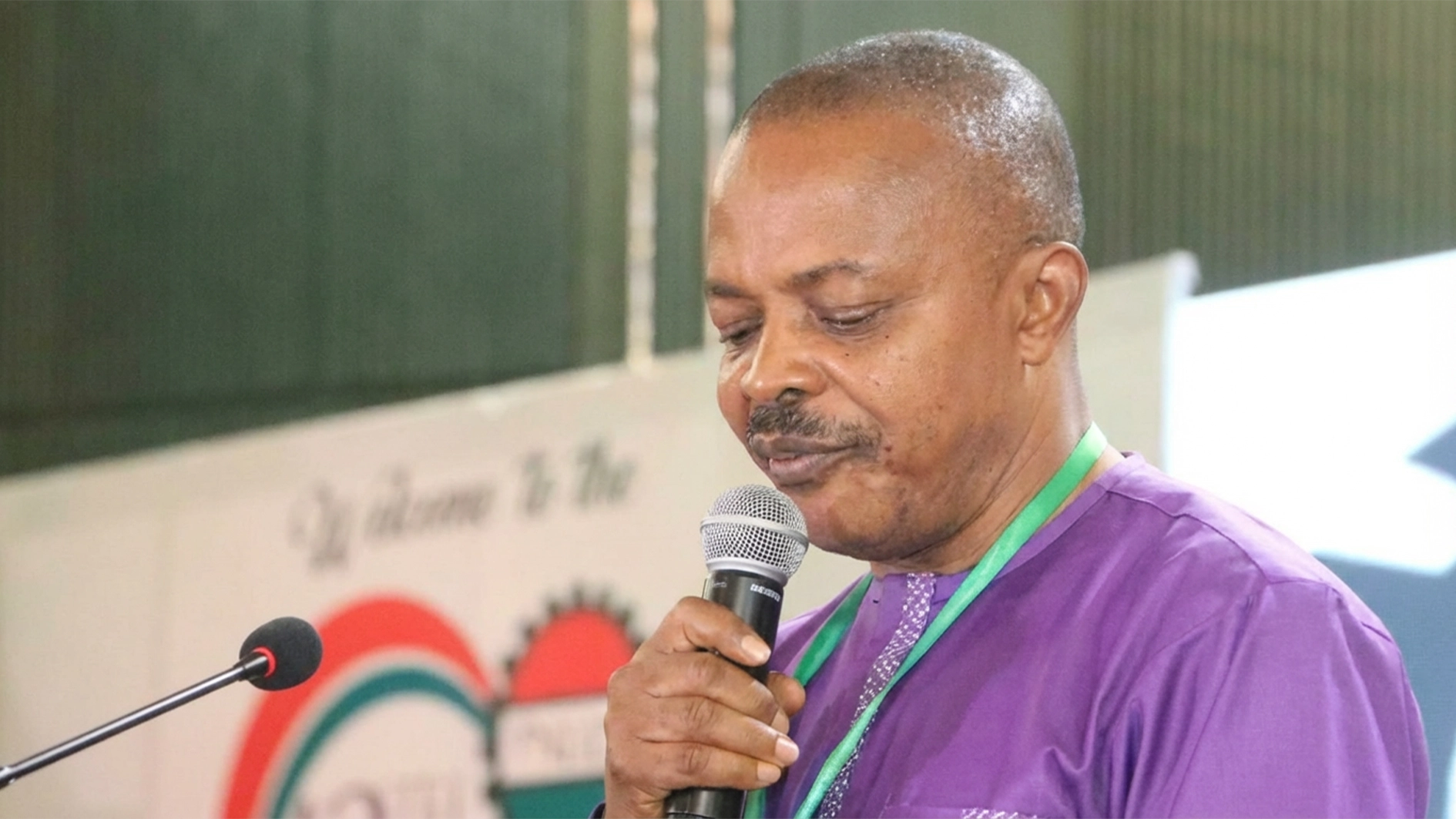
Ahead of the January 1, 2026, implementation of the Federal Government’s new tax reforms, the Nigeria Labour Congress (NLC) has vowed to reject any tax system it described as distorted, falsified, and unjust.
The Congress also warned that workers would resist laws that exclude them from the process of formulation and passage. The NLC said any tax framework that fails to carry workers along remains fundamentally unjust and risks deepening inequality and social tension.
Speaking on the reforms, NLC President, Joe Ajaero, cautioned the Federal Government against rushing into the implementation of tax laws allegedly riddled with errors and political manipulation, urging a more inclusive, transparent and consultative approach.
According to him, it is better for the government to patiently craft tax laws that are broadly co-created and widely owned by stakeholders than to push through reforms that could undermine public trust.
Ajaero stressed that taxation must be anchored on social justice, noting that citizens are entitled to dignity, access to quality healthcare and education, and an equitable economic system.
“Any tax system that does not include workers in its formulation and passage into law remains an unjust tax,” he said. Calling for tax justice, the NLC president said the burden of taxation must be fairly distributed, with the wealthy paying their fair share and all forms of regressive taxation removed.
“Together, in this yuletide season and beyond, we must insist on tax justice where the rich pay their fair share and all forms of regressive taxation are removed,” Ajaero said.

He further called for greater equity for workers, stressing the need for fair wages, respect for labour rights, and safe working conditions.
He also underscored the importance of national security, saying Nigerians must be able to go about their lawful activities without fear or intimidation.
Beyond fiscal policy, Ajaero urged citizens to embrace what he described as ‘self-love’ as a collective responsibility, noting that genuine national progress requires confronting corruption, exploitation, injustice, insecurity, and poor governance.
“This self-love is not selfish; it is strategic. It is shown in our determination to build ourselves into a strong, disciplined collective to protect our interests, our wages, our pensions, and our dignity,” he said.
According to him, only through such collective resolve can Nigeria build a society where justice, equity, and shared prosperity prevail.

