 Follow Us on Google News
 Follow Us on Google Discover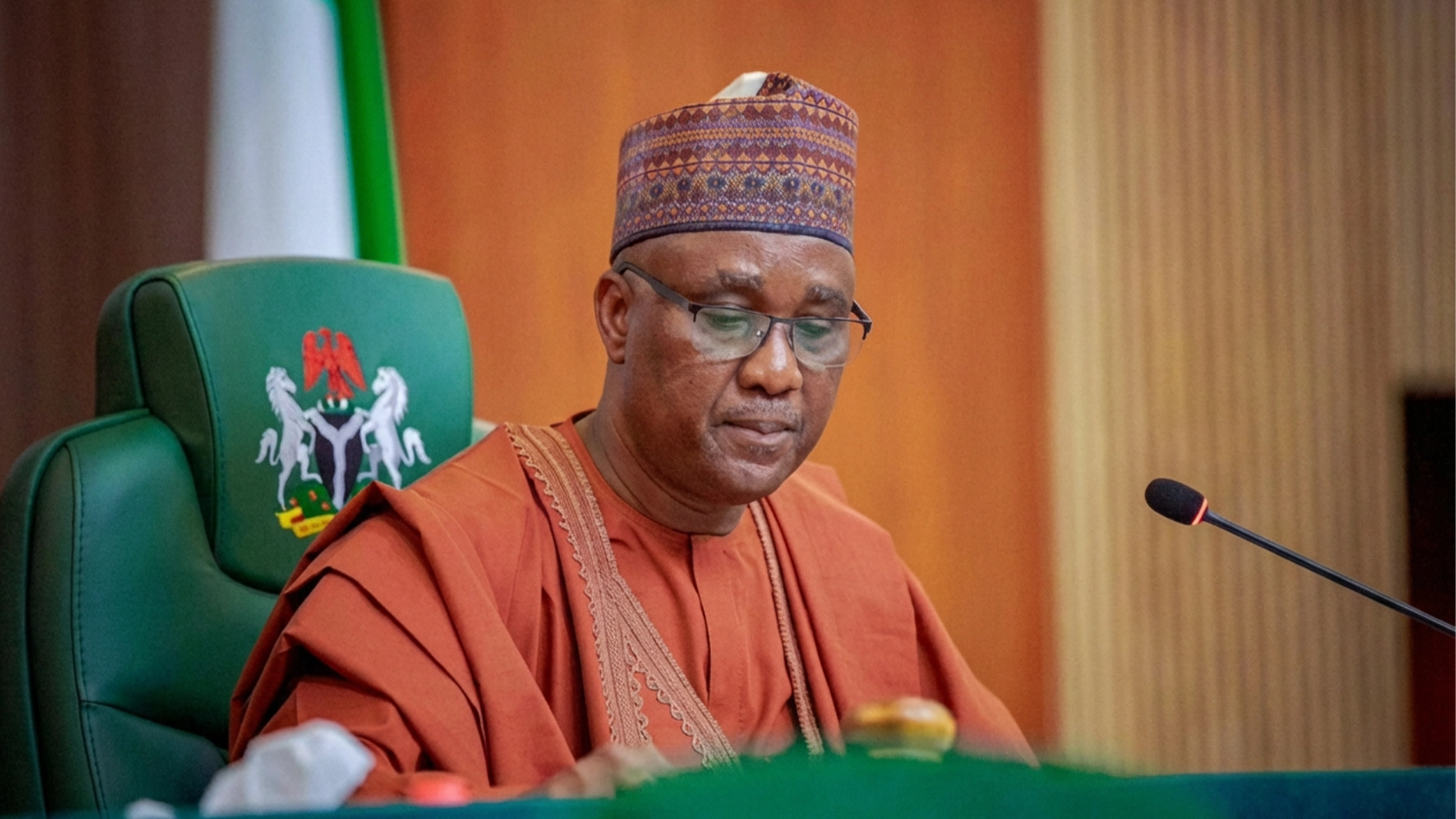
The controversy surrounding alleged discrepancies in Nigeria’s newly gazetted tax laws was one of the major leadership tests faced by the Speaker of the House of Representatives, Abbas Tajudeen, in 2025, the Deputy Spokesperson of the House, Rep. Philip Agbese, has said.
Speaking in an interview on Wednesday, Agbese said the dispute—triggered by claims that the gazetted tax laws differed from versions passed by the National Assembly—placed the 10th House under intense public scrutiny and raised questions about the legislative process.
According to him, the manner in which the House leadership responded to the issue helped prevent it from escalating into a broader institutional crisis.
“The tax law issue was a serious test. It attracted public attention and could have destabilised the House. The leadership ensured it was handled within parliamentary rules and procedures,” Agbese said.
The controversy was formally raised on the floor of the House by Hon. Abdulsammad Dasuki, prompting debate among lawmakers and concern outside the legislature.
In response, Agbese said the House leadership set up a seven-member ad hoc committee to investigate the alleged discrepancies and report back to the House.

He added that the Speaker also directed the Clerk to the National Assembly to commence the process of re-gazetting the tax laws to ensure they reflected what was approved by lawmakers.
Agbese said the approach adopted by the leadership was aimed at resolving the matter through established legislative mechanisms rather than political exchanges.
Beyond the tax bill dispute, Agbese said the House also faced other internal pressures during the year, including tensions over recruitment into the National Assembly Service Commission (NASC).
“The NASC recruitment issue created tension within the parliament, but the leadership encouraged dialogue and due process to prevent disruption of legislative work,” he said.
He also noted that concerns raised by lawmakers over welfare matters and constituency projects continued to generate friction, though he said these were managed through consultations between members and the House leadership.
Agbese further cited the House’s consideration of the declaration of a state of emergency in Rivers State as another sensitive moment, stressing that deliberations were guided by constitutional provisions and the Standing Orders.
“Emotions were high, but the House followed laid-down procedures, which helped limit divisions,” he said.
According to Agbese, despite the challenges, the House of Representatives continued its legislative work throughout the year.
“As we move into 2026, the expectation is that the House will strengthen its internal processes, having drawn lessons from the controversies of the past year,” he added.

