 Follow Us on Google News
 Follow Us on Google Discover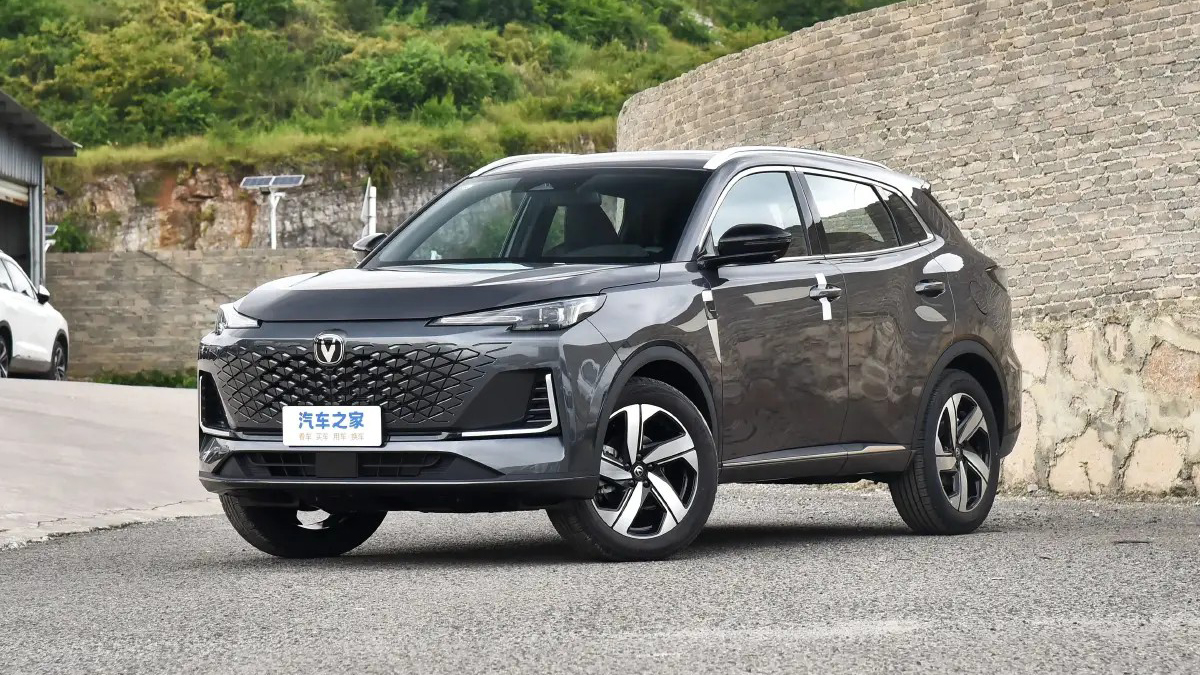
Changan CS55 and Kia Seltos clinched top honours at the 2025 Nigeria Auto Journalists Association (NAJA) International Auto Awards, winning ‘Midsize Sports Utility Vehicle (SUV) of the Year’ and ‘Compact SUV of the Year’, respectively.
The winners were unveiled at the 18th edition of the awards ceremony, which brought together key stakeholders across Nigeria’s automotive value chain to celebrate excellence, resilience and innovation in the industry.
Changan CS55’s latest recognition came after its impressive performance at the 17th edition of the awards, where it was crowned Nigeria’s ‘New Car of the Year.’
At the 2025 ceremony, the compact crossover SUV edged out strong contenders such as the Kia Sonet and Chery Tiggo to secure the title. Changan vehicles are marketed and assembled in Nigeria by Mikano Motors, reinforcing the growing impact of local assembly in the country’s automotive sector.
In the Compact SUV category, Kia Seltos emerged as the winner, beating notable competitors such as the Toyota Prado, Changan CS55 and Chery Tiggo.
Industry analysts described Seltos as a compelling blend of practicality and style, lauding its bold design, versatility and appeal to modern drivers.

Other winners at the event were the Mikano Group, which was named ‘Auto Company of the Year’; Iron Products Industries (IPI) Limited, honoured as ‘Truck Assembler/Body Builder of the Year’; Lanre Shittu Motors (JAC), awarded ‘Truck Plant of the Year’ and Innoson Vehicle Manufacturing (IVM), which won ‘Passenger Car Assembly Plant of the Year’
The recognitions highlighted the depth and growing strength of indigenous participation in Nigeria’s automotive market. Speaking at the ceremony, the Director-General of the National Automotive Design and Development Council (NADDC), Otunba Joseph Osanipin, commended NAJA for sustaining the credible platform that promotes excellence and accountability in the sector.
NAJA Chairman Theodore Opara, described the awards as a benchmark for performance in Nigeria’s evolving automotive ecosystem. He noted that the industry continued to adapt amid policy reforms, technological advancements and changing consumer expectations.

