 Follow Us on Google News
 Follow Us on Google Discover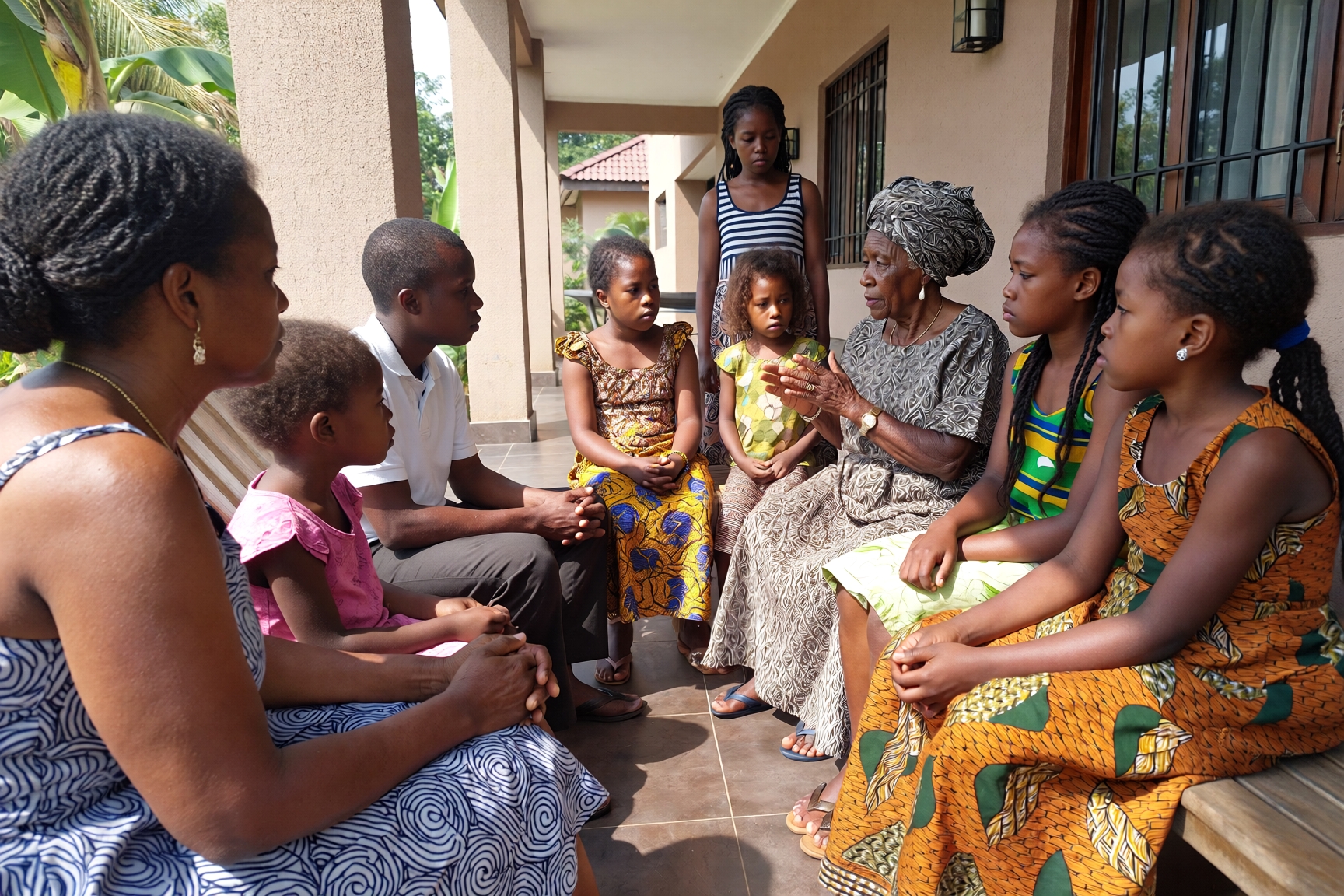
Hello there, friend! Let me tell you straightaway that this article represents months of careful research into Nigerian family structures and years of personal experience living alongside families from Kano to Calabar, from Lagos to Maiduguri. What is Nigerian family life like? It’s communal, vibrant, occasionally chaotic, deeply interconnected, and absolutely central to everything Nigerians hold dear. Family isn’t just about the people you live with. It’s about cousins, uncles, aunties (both blood and honorary), in-laws, and sometimes people whose exact relationship you can’t quite explain but who’ve always been “part of the family”.
I’ll never forget visiting my friend Amaka’s family compound in Enugu during Christmas three years ago. The house seemed to expand and contract like a living thing as relatives arrived throughout the day. By evening, there were at least forty people under that roof, all eating from the same pots of jollof rice and chicken, children running between adults’ legs, teenagers arguing about football, and elders holding court on the veranda. That’s Nigerian family life in a nutshell!
What is Family Life Like in Nigeria?
Nigerian family life operates on principles that might seem foreign to Western individualism but make perfect sense within our cultural context. The extended family system dominates across all 371 ethnic groups, though specific practices vary considerably from the Hausa-Fulani in the north to the Yoruba in the southwest and the Igbo in the southeast.
Daily life typically revolves around collective decision-making and shared responsibilities. Children don’t just belong to their parents. They belong to the entire family, which means any aunt or uncle can discipline them, feed them, or offer guidance. I once watched my neighbour’s eight-year-old son receive homework help from three different adults in succession, none of them his parents!
The typical Nigerian household includes not just the nuclear family but often grandparents, unmarried siblings, distant cousins, and sometimes unrelated individuals who’ve been absorbed into the family structure. According to the National Institute for Cultural Orientation, this communal approach reflects deeply rooted cultural values that prioritise collective wellbeing over individual autonomy.
Financial responsibilities are shared too, though not always equally. Successful family members are expected to support those still struggling. A young banker in Lagos might be sending ₦50,000 monthly to support siblings’ school fees, contributing ₦30,000 for elderly parents’ medical care, and helping a cousin with ₦20,000 for business capital. This isn’t seen as optional charity but as fundamental family obligation.

The concept of privacy as understood in Western contexts barely exists. Your business is the family’s business, your struggles are collective concerns, and your triumphs belong to everyone. It can feel suffocating sometimes, particularly for young people who’ve studied abroad and return with different expectations.
Yet there’s something rather beautiful about knowing you’ll never face life’s challenges alone. When my colleague lost his job last year, his family mobilised within hours. His brother provided temporary accommodation, an uncle connected him to job opportunities, and his mother sent provisions from the village. He was back on his feet within three months, supported by a network that activated automatically.
What Kind of Family Structure is Common in Nigeria?
The extended family structure remains Nigeria’s dominant family type, though urban migration and economic pressures are gradually reshaping traditional patterns. Let me walk you through the various structures you’ll encounter across Nigeria’s diverse communities.
Traditional Extended Family: This is still the most common structure, particularly in rural areas and among older generations. Multiple generations live together or in close proximity, sharing resources and responsibilities. The patriarch (or matriarch in matrilineal communities) holds decision-making authority, and hierarchy based on age and position is strictly observed.
I spent a week in a Yoruba family compound in Ibadan where three generations occupied eight rooms around a central courtyard. Meals were prepared communally, children addressed all adults as “uncle” or “aunty”, and major decisions required consultation with family elders. The grandmother’s word was basically law, and even adult children with successful careers deferred to her judgement on family matters.
Nuclear Family with Extended Connections: Urban professionals increasingly live in nuclear family units (parents and children only), but maintain strong ties to the extended family. They might live separately but return home for festivals, contribute financially to family needs, and involve relatives in major decisions. This represents a compromise between modern living arrangements and traditional obligations.
Polygamous Family Structures: Polygamy remains legal and practised, particularly in northern Nigeria and among Muslims, though its prevalence is declining. According to data from the National Bureau of Statistics, approximately 36.7 percent of married men in some regions have multiple wives. Children from different mothers share a father but often maintain separate maternal family identities whilst belonging to the same paternal lineage.
The economics of polygamy are rather fascinating. A friend’s father in Kano supports three wives, each with her own rooms in the family compound. He rotates nights equally, provides separate monthly allowances (averaging ₦80,000 per wife), and ensures all children receive similar education funding. The wives maintain cordial but competitive relationships, each striving to secure advantages for her own children.
Single-Parent Families: Though less common and sometimes stigmatised, single-parent families are increasing in urban centres. Divorce rates are rising, particularly among educated urbanites, creating more households headed by single mothers or, less commonly, single fathers. These families often rely heavily on extended family support to manage childcare and financial pressures.
According to research on Nigerian family challenges, even single parents rarely operate entirely independently. Grandparents, siblings, and other relatives typically provide practical and financial assistance, maintaining the extended family safety net even when the nuclear unit fragments.
Blended and Adopted Families: Nigerian families frequently absorb children who aren’t biologically theirs. Orphans, children of struggling relatives, and even unrelated children in need find homes within extended family structures. These children are rarely distinguished from biological children in daily life, though inheritance rights can vary.
My neighbour raised her late sister’s four children alongside her own three for fifteen years. She never referred to them as anything other than “my children”, and they called her “Mummy” whilst knowing she was technically their aunty. That’s how Nigerian families work.
What is the Family System in Nigeria?
The Nigerian family system functions through intricate networks of obligations, hierarchies, and collective decision-making processes that govern everything from marriage choices to career decisions. It’s less a system and more an entire social infrastructure.
Age-Based Hierarchy: Age commands automatic respect and authority in Nigerian families. Younger siblings must greet elders first, use respectful language, and defer to their decisions. An older brother’s opinion carries weight even if the younger sibling has more education or wealth. I’ve watched forty-year-old professionals accept scolding from older siblings like obedient teenagers!
Gender Roles and Expectations: Traditional gender roles remain strong, though they’re evolving in urban areas. Women typically handle domestic responsibilities, childcare, and food preparation, whilst men are expected to provide financially. However, modern reality often requires both partners to work, creating tension between traditional expectations and economic necessity.
In many families, women wake at 5am to prepare breakfast, get children ready for school, then head to their own jobs, returning to cook dinner and manage evening routines. Men might contribute financially but rarely share household labour equally. The Federal Ministry of Information and National Orientation has launched campaigns promoting shared domestic responsibilities, but cultural change happens slowly.
Collective Decision-Making: Major life decisions aren’t individual choices but family matters requiring consultation and approval. Choosing a spouse, selecting university courses, accepting job offers, or purchasing property all involve family input. This can feel restrictive, but it also means decisions benefit from multiple perspectives and accumulated family wisdom.
When my colleague received a job offer in Port Harcourt, he spent three weeks consulting family members before accepting. His father questioned the company’s stability, an uncle checked the security situation, his mother worried about housing costs, and various siblings offered opinions on career trajectory. Eventually, the family reached consensus and he relocated, knowing he had their full support.
Financial Interdependence: The Nigerian family system operates on principles of reciprocal obligation. Those with resources support those without, creating a social safety net but also ongoing financial obligations that can strain individual prosperity.
A successful businesswoman in Lagos might simultaneously be supporting: her children’s private school fees (₦500,000 per term), elderly parents’ medical care (₦100,000 monthly), younger siblings’ university expenses (₦200,000 per semester), contributions to family building projects (₦50,000 monthly), and various relatives’ emergencies (unpredictable but constant). Her income supports dozens of people beyond her immediate household.
Naming and Identity: Children’s names reflect family connections and expectations. First sons often receive their grandfather’s name, daughters might be named for grandmothers, and names frequently commemorate family events or express aspirations. The name isn’t just personal identity but family statement.
Conflict Resolution: Family conflicts are resolved through elder mediation rather than individual confrontation. If siblings quarrel, elders convene meetings, hear both sides, and impose solutions that prioritise family harmony over individual grievances. Maintaining family unity trumps being right.
I witnessed an inheritance dispute between three brothers that took eighteen months and countless family meetings to resolve. The solution satisfied no one perfectly but preserved family relationships, which elders deemed more important than absolute fairness.
Seven Steps to Understanding Nigerian Family Dynamics
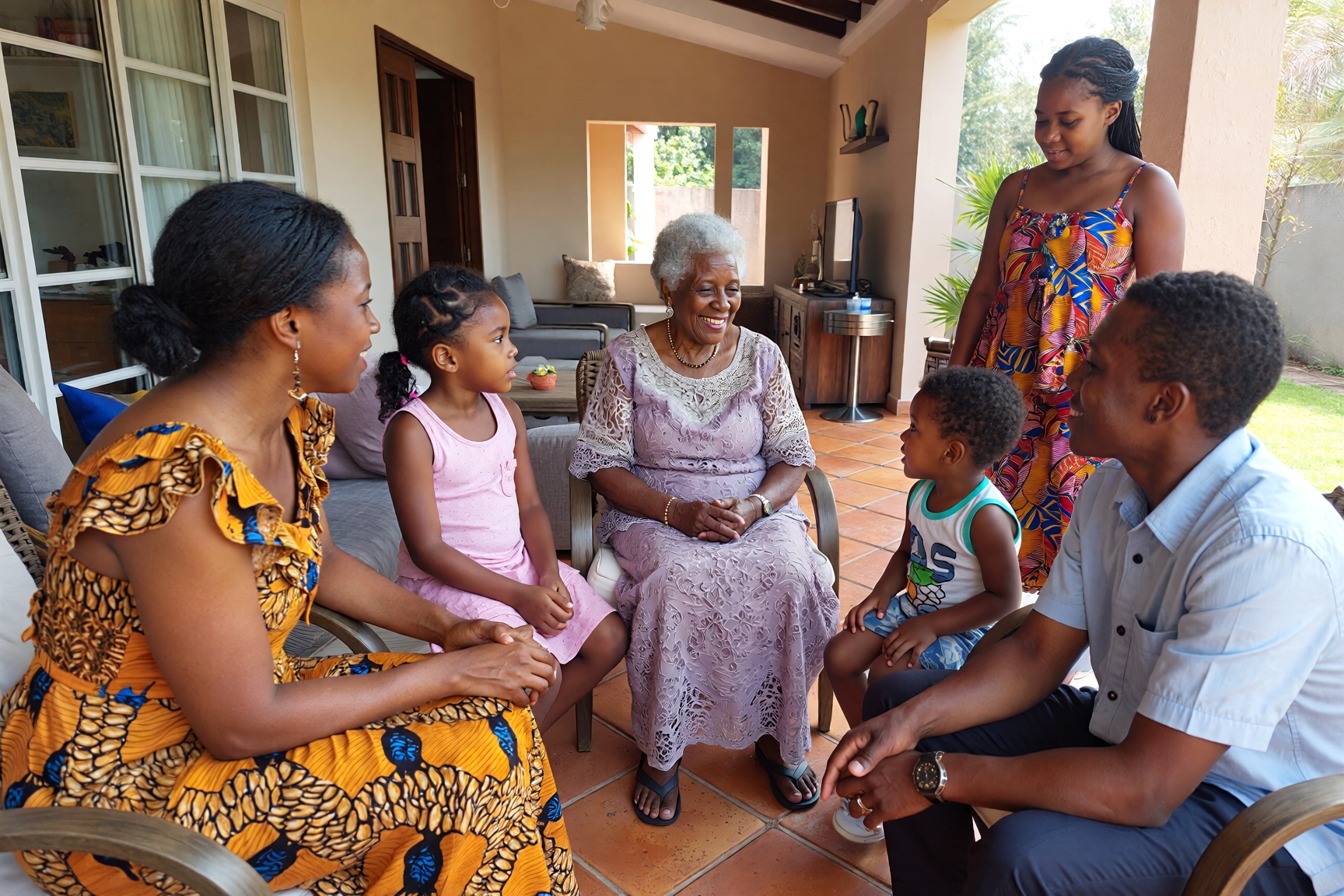
After years of observing and participating in Nigerian family life across different ethnic groups and socioeconomic levels, I’ve identified these essential steps for truly grasping how families function here:
1. Recognise That “Family” Extends Far Beyond the Nuclear Unit
Start by expanding your definition of family. In Nigeria, your family includes parents, siblings, grandparents, aunts, uncles, cousins (first through fourth), in-laws at multiple levels, and often people whose exact biological connection remains delightfully vague. A typical Nigerian might consider fifty to two hundred people as immediate family members requiring regular contact and mutual obligation.
I once helped a friend create a family tree for a genealogy project. After three hours and seven phone calls to various relatives, we’d mapped 187 people he considered close family, not counting the “family friends” who weren’t blood relatives but occupied family-equivalent positions. That’s normal here!
2. Accept Collective Responsibility Over Individual Independence
Nigerian families operate on shared responsibility principles. Your achievements belong to everyone who supported you, your struggles are collective concerns, and your decisions affect the entire family unit. This means a promotion at work triggers expectations that you’ll increase family contributions, whilst business failure brings family assistance but also collective disappointment.
Financial planning must account for extended family obligations. A young professional earning ₦400,000 monthly might allocate: ₦150,000 for personal expenses, ₦100,000 for immediate family support, ₦50,000 for extended family obligations, ₦50,000 for savings, and ₦50,000 for unpredictable family emergencies. The last category always gets exceeded!
3. Understand Age-Based Hierarchy and Respect Protocols
Age automatically confers authority and respect regardless of other factors. Younger siblings defer to older ones, children respect all adults, and elders’ opinions carry decisive weight in family deliberations. This hierarchy governs seating arrangements at gatherings, speaking order in discussions, and decision-making processes.
At family meetings, the youngest adults sit on the floor or outer edges whilst elders occupy chairs. Speaking out of turn or contradicting an elder directly violates protocol. Young people present ideas through careful suggestion rather than direct assertion, phrasing opinions as questions: “Might it perhaps be worth considering…” rather than “I think we should…”
4. Navigate Gender Expectations and Evolving Roles
Traditional gender roles remain strong but are gradually shifting under economic pressure and educational advancement. Women increasingly work professionally but still shoulder primary domestic responsibilities. Men face pressure to provide financially whilst navigating changing expectations about emotional involvement and household participation.
Modern Nigerian families are renegotiating these roles. I know couples where husbands cook and help with childcare, but they often hide this from extended family to avoid ridicule. Other families maintain strict traditional divisions where women handle all domestic work regardless of their professional status. There’s no single pattern, but the tension between tradition and modernity affects every family.
5. Master the Art of Family Politics and Coalition-Building
Nigerian families are political entities requiring diplomatic skills. Successful navigation means building relationships with key figures, avoiding taking sides in family conflicts, and knowing which battles matter. Senior wives influence their husbands’ family decisions, uncles form alliances around shared interests, and children learn early to cultivate favour with different family power centres.
At family gatherings, observe who speaks to whom, which opinions carry weight, and where actual power resides (often with a grandmother or senior aunt rather than the nominal patriarch). Understanding these dynamics helps you navigate family life successfully.
6. Participate in Key Family Rituals and Celebrations
Family cohesion is maintained through regular gatherings, shared celebrations, and participation in important life events. Missing a cousin’s wedding, skipping Christmas at the family compound, or failing to attend a relative’s funeral damages your standing and strains relationships.
These events aren’t optional social engagements but family obligations requiring attendance, financial contributions, and active participation. I know professionals who fly from Lagos to village meetings specifically to maintain family connections, spending ₦150,000 on travel for a gathering that might last six hours.
7. Balance Personal Aspirations with Family Expectations
The hardest step is finding equilibrium between individual goals and family obligations. Young Nigerians increasingly desire personal autonomy whilst facing strong pressure to conform to family expectations about careers, marriage partners, living arrangements, and lifestyle choices.
Successful navigation requires honest communication, strategic compromise, and sometimes firm boundaries. You might accept family input on major decisions whilst insisting on autonomy for daily choices. You might contribute financially to family needs whilst protecting personal savings. The balance looks different for every family, but finding it is essential for both family harmony and personal wellbeing.
Regional and Ethnic Variations in Nigerian Family Structures
Understanding Nigerian family life requires recognising significant regional and ethnic differences that shape family structures, gender roles, inheritance patterns, and daily practices. Here’s a comprehensive look at how family life varies across Nigeria’s major ethnic groups:
| Ethnic Group | Primary Family Structure | Inheritance Pattern | Gender Roles | Marriage Customs | Child-Raising Approach |
|---|---|---|---|---|---|
| Yoruba (Southwest) | Extended patrilineal compound | Male children inherit land/titles; daughters receive personal property | Women have significant economic independence through trading; shared domestic duties | Elaborate traditional ceremonies (Igbeyawo); family negotiation of bride price; multi-day celebrations | Children raised communally within compound; strong grandmother involvement; emphasis on respect and cultural knowledge |
| Igbo (Southeast) | Extended patrilineal family; separate households in proximity | Traditionally male-only; recent legal challenges allow daughters to inherit | Women active in commerce and family decisions; Osu caste system affects some marriages | Wine-carrying ceremony (Igba Nkwu Nwanyi); elaborate bride price negotiations; multiple ceremony stages | High value on education and achievement; children encouraged toward ambition; significant mother’s brother (Okpara) influence |
| Hausa-Fulani (North) | Extended patrilineal; often polygamous households | Male inheritance dominant; wives retain property rights separately | Stricter gender separation; women focused on domestic sphere; Purdah practised in some families | Islamic ceremonies (Fatihah); lower bride price (Sadaki) preferred; bride’s family furnishes home | Islamic education emphasis; gender-segregated upbringing; father’s authority paramount; children learn Quranic studies early |
| Tiv (Middle Belt) | Extended agnatic lineages | Land inheritance through male lineage; communal land ownership | Women handle agriculture and domestic work; men control land decisions | Exchange marriage (Kem) traditional but declining; bride service instead of bride price | Children raised within larger lineage group; agricultural skills taught early; collective discipline by lineage members |
| Edo (South-South) | Extended family with strong maternal connections | Male inheritance but mothers’ families maintain influence | Women traders with economic power; domestic responsibility remains female | Traditional Benin ceremonies (Igbe) followed by modern celebrations; family approval crucial | Children maintain strong ties to both parental lineages; cultural education emphasised; maternal uncles play significant roles |
| Ibibio (South-South) | Extended family; matrilineal elements in some sub-groups | Mixed patterns; some matrilineal inheritance in specific contexts | Women active in farming and commerce; shared economic responsibilities | Traditional rites involving multiple family visits; significant bride price expectations | Community-based child-raising; children taught ethnic language and customs; elders significantly involved in discipline and education |
This table, compiled from years of fieldwork and cultural research, demonstrates the beautiful diversity of Nigerian family systems. What works in a Hausa household in Katsina might be completely inappropriate in an Igbo family in Abia, and vice versa. Yet underlying similarities connect all these variations: emphasis on extended family, respect for elders, collective child-raising, and family involvement in major life decisions.
The modern reality is that these patterns are evolving. Urbanisation, education, and economic changes are pushing families toward more nuclear structures whilst trying to maintain extended family obligations. Young Nigerians increasingly delay marriage, question inheritance patterns that exclude daughters, and seek more egalitarian gender roles.
Yet the fundamental communal orientation persists. Even families who’ve adopted nuclear living arrangements typically maintain strong extended family ties, return home for festivals, consult relatives on major decisions, and provide financial support to family members in need.
What are Some Traditional Values of Nigerian Families?
Nigerian families are held together by deeply rooted traditional values that persist despite rapid modernisation and Western influence. These values shape daily interactions, govern decision-making processes, and define what it means to be a good family member in Nigerian society.
Respect for Elders and Authority
The cornerstone of Nigerian family values is profound respect for age and authority. Children kneel or prostrate when greeting elders, use respectful language forms, and defer to elders’ wisdom and decisions. This isn’t mere politeness but fundamental social organisation.
I’ve watched twenty-five-year-old professionals with master’s degrees kneel to greet their parents each morning. I’ve seen successful businesspeople accept scolding from older siblings without protest. Age commands respect regardless of achievement, wealth, or education.
This value extends beyond biological family. Any significantly older person merits respectful treatment. Children address all adults as “Uncle” or “Aunty” even when unrelated, and questioning an elder’s decision directly is considered disrespectful regardless of how wrong they might be.
Communal Responsibility Over Individual Rights
Nigerian families prioritise collective wellbeing over individual desires. Your choices affect everyone, and everyone’s opinions matter when you make decisions. This value manifests in shared financial obligations, collective child-raising, communal property ownership, and family involvement in personal decisions.
The National Orientation Agency recognises that communal values remain central to Nigerian identity even as individualisation pressures increase. Families continue to operate as economic and social units rather than collections of independent individuals.
When my friend wanted to pursue an expensive master’s degree abroad, the decision wasn’t his alone. The family met to discuss whether collective resources could support this investment, whether he’d return to help younger siblings, and whether the degree aligned with family needs. His personal ambition mattered, but not more than family considerations.
Primacy of Family Honour and Reputation
Your behaviour reflects on your entire family. Nigerian children grow up hearing “Don’t disgrace the family name” more often than “Be yourself”. Family honour is collective property that everyone must protect through their conduct, choices, and achievements.
This value creates enormous pressure to succeed, marry appropriately, and avoid scandal. A child’s academic failure shames the family. An unmarried daughter approaching thirty prompts family anxiety. A son’s criminal behaviour devastates the family’s reputation across their community.
The positive aspect is that families invest heavily in each member’s success because it reflects well on everyone. The challenging aspect is the burden of constantly representing your family rather than just yourself.
Hospitality and Generosity
Nigerian families are legendarily hospitable. Visitors must be fed, accommodated, and treated graciously regardless of inconvenience. Refusing hospitality is offensive, and Nigerian families will overextend themselves financially to host guests properly.
This value means spontaneous visitors receive full meals, distant relatives can stay for months, and family gatherings always include abundant food. I’ve watched families spend ₦200,000 hosting Christmas celebrations when they could barely afford it, because family hospitality reflects honour and status.
Marriage as Family Alliance, Not Individual Romance
Marriage is viewed as an alliance between families rather than simply a union of individuals. Families actively participate in spouse selection, marriage negotiations, and relationship management. Marrying without family approval is possible but creates ongoing tension and sometimes family estrangement.
According to Guardian Nigeria’s analysis of Nigerian marriage culture, families investigate prospective spouses’ backgrounds, negotiate bride prices, and maintain involvement throughout the marriage. This isn’t interference but proper family responsibility.
The value emphasises stability over romance. Families push couples to reconcile rather than divorce, prioritising marriage preservation over individual happiness. This sometimes keeps abusive marriages intact but also prevents hasty separations over minor conflicts.
Children as Family Investment and Old Age Security
Children are valued as family continuation, labour force, and future caregivers for aging parents. Large families were historically preferred because children represented economic assets and guaranteed support in parents’ old age.
Though family sizes are decreasing due to economic pressures, the value of children as family investment persists. Parents sacrifice enormously for children’s education and success, expecting reciprocal care when they age. Nursing homes are virtually unknown because children care for elderly parents at home.
This creates powerful intergenerational obligations. Successful children support aging parents financially and physically, often housing them in their own homes. Failing this obligation brings severe social judgement and family shame.
Education and Achievement as Family Pride
Nigerian families place enormous value on educational achievement. A university graduate brings family honour, and families will sacrifice significantly to fund children’s education. Professional success (doctors, lawyers, engineers particularly) reflects positively on the entire family.
I know families who sold land to fund one child’s medical school education, expecting that child’s future success would benefit all family members. That’s typical, not exceptional.
Patriarchal Leadership with Maternal Influence
Despite patriarchal structures, mothers and senior women wield significant informal power in Nigerian families. Fathers may be nominal heads, but mothers often control domestic decisions, manage finances, and influence family direction through subtle means.
The value recognises male authority whilst creating space for female power through indirect channels. A wise mother shapes family decisions by influencing her husband privately rather than challenging his authority publicly.
These traditional values are certainly evolving under pressure from urbanisation, education, and globalisation. Young Nigerians increasingly question arranged marriages, gender hierarchies, and unconditional family obligations. Yet the values persist, adapted rather than abandoned, continuing to shape Nigerian family life in recognisable patterns.
The Economic Reality of Nigerian Family Life
The economics of Nigerian family life deserve special attention because financial obligations and realities fundamentally shape family structures and relationships. Living in extended family systems with communal financial responsibilities creates unique economic dynamics.
Monthly household budgets in Nigerian families typically allocate funds across multiple categories beyond immediate family needs. A middle-class professional earning ₦500,000 monthly might spend: ₦150,000 on rent and utilities, ₦100,000 on food and household supplies, ₦80,000 on children’s school fees and education, ₦50,000 on transportation, ₦40,000 supporting parents or elderly relatives, ₦30,000 for extended family obligations (siblings’ school fees, cousin’s medical bills, family building projects), ₦20,000 for personal needs, ₦20,000 for savings (if lucky), and ₦10,000 for emergencies (which always exceed budget).
The savings category is often the first sacrificed when family emergencies arise, and they always arise. A relative’s medical emergency, a cousin’s wedding contribution, a sibling’s business failure requiring bailout, or a family member’s funeral expenses can eliminate months of attempted savings within days.
Wedding costs illustrate the financial pressures perfectly. Traditional Nigerian weddings cost between ₦2 million and ₦20 million depending on social status and ethnic group. This includes: traditional ceremony at bride’s family (₦500,000 to ₦5 million), white wedding in church or mosque (₦800,000 to ₦8 million), reception with 300 to 1,000 guests (₦1 million to ₦10 million), bride price and family gifts (₦200,000 to ₦2 million), wedding attire for couple and relatives (₦300,000 to ₦3 million), and various smaller expenses for pre-wedding events, photography, and hospitality.
Families often spend years saving for weddings, with both families contributing according to tradition. The bride’s family handles certain costs, the groom’s family others, and extended family members contribute financially. I’ve watched families borrow heavily to host weddings meeting community expectations, creating debt that takes years to repay.
Child-raising costs have escalated dramatically with urbanisation and educational competition. Private school fees in Lagos range from ₦200,000 to ₦800,000 per term for primary and secondary schools, with three terms annually. University costs add another ₦500,000 to ₦2 million per year depending on institution and course. Many families support multiple children simultaneously whilst also contributing to siblings’ or cousins’ education.
Healthcare costs strain family finances particularly severely because most Nigerians lack health insurance. A serious illness requiring hospitalisation can cost ₦500,000 to ₦2 million, forcing families to pool resources, sell assets, or borrow money. The communal system activates when someone faces medical crisis, with extended family members contributing what they can.
Housing represents another major expense. Urban rental costs in cities like Lagos, Abuja, and Port Harcourt range from ₦300,000 to ₦2 million annually for decent family accommodation. Landlords typically demand one or two years’ rent upfront, creating enormous initial barriers. Many families remain in inadequate housing because they cannot accumulate enough savings for better accommodation whilst meeting ongoing family obligations.
The extended family financial support system functions as informal social insurance. When you struggle, family helps. When you prosper, you help others. It’s beautiful in theory and often works well in practice, but it can also trap families in poverty when everyone struggles simultaneously or when successful members support so many relatives they cannot build personal wealth.
Young professionals increasingly express frustration with endless family financial obligations that prevent personal economic advancement. Yet refusing to help family members brings social judgement and can result in family estrangement. Finding balance between personal financial stability and family obligations represents one of modern Nigerian family life’s greatest challenges.
Modern Challenges Facing Nigerian Families
Nigerian families face unprecedented challenges as traditional structures encounter economic pressures, urbanisation, globalisation, and changing social values. These challenges are reshaping family life in profound ways.
Economic Pressure and Poverty: Nigeria’s economic challenges hit families particularly hard. With inflation exceeding 34 percent, unemployment high, and many Nigerians earning below ₦100,000 monthly, families struggle to meet basic needs let alone extended family obligations. The communal support system works when some members prosper and can support struggling relatives, but when everyone faces hardship simultaneously, the system strains dangerously.
Urbanisation and Migration: As Nigerians migrate to cities for education and employment, traditional extended family living arrangements become impractical. Young professionals in Lagos live in small flats unsuitable for accommodating visiting relatives or elderly parents. This geographical separation weakens daily family bonds whilst maintaining financial obligations, creating stress and guilt.
Declining Marriage Rates and Rising Divorce: Marriage rates are decreasing, particularly among educated urban Nigerians who delay marriage for career establishment. When marriages do occur, divorce rates are rising, particularly in urban areas where women have more economic independence and legal protection. Traditional and religious leaders have expressed concern about increasing marriage breakdowns and their effects on family stability.
Gender Role Conflicts: Modern education and economic necessity push women into professional careers, creating tension with traditional expectations of primary domestic responsibility. Working mothers face impossible expectations: full-time careers plus complete domestic management with minimal male partnership. This burden affects women’s health, career advancement, and family wellbeing.
Generational Values Clashes: Young Nigerians increasingly question traditional family values around arranged marriages, gender hierarchies, unquestioning respect for elders, and unlimited family obligations. Parents view these questions as Western corruption and disrespect. These clashes create family conflict and sometimes estrangement.
Child Welfare Concerns: Despite strong family bonds, child abuse, child marriage (particularly in northern Nigeria), exploitation of children for labour, and inadequate attention to children’s psychological needs remain serious issues. Some families prioritise children’s economic contributions over education, particularly for girls.
Inheritance Disputes: As property values increase and families fragment, inheritance disputes are escalating. Traditional patterns that excluded daughters are being challenged legally and culturally, creating family conflicts. Brothers compete over limited family property whilst sisters demand rights previously denied.
Technology and Family Bonds: While technology enables communication across distances, it also introduces challenges. Children absorbed in phones ignore family gatherings, young people meet romantic partners online without family vetting, and social media creates unrealistic expectations and family comparison pressures.
Security Concerns: Nigeria’s security challenges affect families profoundly. Kidnapping risks make parents fearful for children’s safety. Terrorism in northeastern states has displaced families and destroyed traditional structures. Communal conflicts separate mixed families and create dangerous environment for inter-ethnic marriages.
These challenges don’t negate the strengths of Nigerian family structures, but they require adaptation and resilience. Families are finding creative solutions: maintaining connections through technology despite distance, combining traditional values with modern realities, and gradually evolving gender roles whilst preserving family cohesion.
What is Nigerian Family Life Like?: A Direct Answer
Let me address the primary question directly and comprehensively: Nigerian family life is communal, hierarchical, financially interdependent, and central to individual identity in ways that individualistic cultures might find difficult to comprehend. It’s characterised by extended family structures where three or four generations maintain close daily contact, collective decision-making processes where major life choices require family consultation and approval, age-based hierarchies that grant elders automatic authority regardless of other qualifications, shared financial obligations that create informal social insurance but limit individual wealth accumulation, communal child-raising where multiple adults share parenting responsibilities, vibrant celebrations and gatherings that maintain family cohesion, and complex networks of obligations and relationships that provide support during crises whilst demanding constant participation and contribution.
The specific form varies dramatically across Nigeria’s 371 ethnic groups. Hausa-Fulani families in Kano operate differently from Yoruba families in Lagos or Igbo families in Enugu, yet underlying patterns of communalism, respect hierarchies, and family primacy connect them all.
Younger, urban, educated Nigerians are gradually modifying traditional patterns. They might live in nuclear family arrangements but maintain extended family obligations. They might insist on choosing their own spouses but involve family in wedding planning. They might pursue individual careers but financially support family members.
The system isn’t perfect. It can stifle individual expression, enable freeloading relatives, perpetuate gender inequalities, and create enormous financial pressures. But it also provides psychological security, practical support during crises, childcare assistance, old-age care, business networks, and a profound sense of belonging that many Nigerians value deeply.
Embracing the Complexity of Nigerian Family Life
What a journey we’ve travelled together through the intricate landscape of Nigerian family dynamics! From the extended family compounds of rural villages to modern nuclear families in bustling Lagos high-rises, from traditional patriarchal structures to evolving gender roles, from communal child-raising to individual ambitions, Nigerian family life emerges as complex, resilient, and profoundly meaningful.
Nigerian families are navigating extraordinary challenges whilst preserving core values that have sustained communities for generations. Economic pressures strain traditional support systems. Urbanisation separates families geographically. Globalisation introduces competing values. Yet the fundamental commitment to family persists, adapted rather than abandoned.
The future of Nigerian family life will likely combine traditional communalism with modern modifications. Nuclear living arrangements with maintained extended family obligations. Respect for elders balanced with individual voice. Collective decision-making incorporating personal aspirations. Gender roles evolving toward greater partnership whilst acknowledging cultural context.
For Nigerians navigating family life, the key is finding your own balance between tradition and modernity, between family obligations and personal needs, between communal values and individual dreams. Neither wholesale rejection of traditional values nor rigid adherence to practices unsuited to contemporary reality serves families well.
For non-Nigerians seeking to understand Nigerian family life, approach with curiosity rather than judgement. What seems like interference might be care. What appears as restriction might be protection. What looks like dependence might be interdependence. Cultural context matters enormously.
Nigerian family life, with all its complexities, challenges, and beautiful chaos, remains the bedrock of Nigerian society. It’s where values are transmitted, where support is guaranteed, where identity is formed, and where belonging is absolute. Understanding Nigerian families means understanding Nigeria itself.
Key Takeaways:
- Nigerian families prioritise communal responsibility over individual autonomy, operating as economic and social units where success and struggle are shared collectively rather than experienced individually, creating both support networks and ongoing obligations that shape every member’s life decisions and financial realities.
- Age-based hierarchies and respect protocols govern Nigerian family interactions across all ethnic groups, with elders commanding automatic authority and younger family members deferring to their wisdom regardless of education, wealth, or professional achievement, whilst collective decision-making processes require consultation with multiple family members before major life choices.
- Modern economic pressures and urbanisation are gradually reshaping traditional extended family structures without eliminating core communal values, as young Nigerians increasingly live in nuclear family arrangements whilst maintaining extended family financial obligations, navigating the tension between traditional expectations and contemporary realities through creative adaptations that preserve family bonds across geographical and generational distances.
If you’ve found this exploration helpful, I encourage you to delve deeper into Nigerian cultural dynamics. My analysis of how Nigerians show respect provides essential context for navigating family hierarchies, whilst my piece on Nigerian values offers broader perspective on the cultural foundations that shape family life.
Frequently Asked Questions About Nigerian Family Life
How many children do Nigerian families typically have?
Nigerian families average 4.6 children nationally, though significant regional variations exist with northern families averaging 6.3 children and southern urban families averaging 2.8 children. Family size is declining due to economic pressures, increased female education, and urbanisation, but larger families remain valued particularly in rural areas and among traditional communities.
Do Nigerian families live together in one house?
Extended families traditionally lived in family compounds with multiple households sharing a central courtyard, a pattern still common in rural areas and traditional communities across Nigeria. Modern urban families increasingly occupy separate nuclear family households but maintain close proximity and frequent contact with extended family members, visiting regularly and gathering for festivals, celebrations, and emergencies.
What role do grandparents play in Nigerian families?
Grandparents hold positions of respect and authority, often living with their adult children’s families and actively participating in child-raising, decision-making, and conflict resolution. They transmit cultural knowledge, teach children ethnic languages and customs, provide childcare whilst parents work, and command final authority on major family decisions, with their wisdom and experience valued above younger members’ formal education.
How much money do Nigerian families spend on weddings?
Nigerian weddings typically cost between ₦2 million and ₦20 million depending on social status, ethnic group, and location, including traditional ceremonies, religious celebrations, receptions for 300-1,000 guests, and bride price. Families often save for years or borrow money to host weddings meeting community expectations, with both families contributing according to cultural traditions and relatives providing financial support for this major family celebration.
Can Nigerian women inherit family property?
Inheritance rights vary by ethnic group, with traditional customary law in many communities historically excluding daughters from inheriting land and family property, limiting them to personal effects or monetary gifts. However, statutory law and recent Supreme Court rulings have challenged discriminatory practices, granting women equal inheritance rights, though implementation remains inconsistent across different regions and communities.
How do Nigerian families handle divorce?
Nigerian families strongly discourage divorce, with elders typically intervening to reconcile couples and preserve marriages for family honour and children’s wellbeing. When divorce occurs, families may require bride price return if the wife is deemed at fault, whilst custody arrangements favour children remaining with fathers’ families in traditional settings, though modern courts increasingly consider mothers’ rights and children’s interests.
What happens to orphans in Nigerian families?
Orphaned children are typically absorbed into extended family structures, with uncles, aunts, or grandparents assuming parental responsibilities rather than placing children in institutional care. These children are raised alongside biological children with varying degrees of equality, receiving education and support from the extended family, though inheritance rights and treatment sometimes differ from biological children depending on family circumstances and values.
Do Nigerian men help with housework and childcare?
Traditional gender roles assign domestic responsibilities primarily to women, with men expected to provide financially rather than participate in housework or childcare tasks. However, modern educated urban families are gradually evolving toward more egalitarian divisions, with some husbands cooking, cleaning, and caring for children, though this often remains hidden from extended family to avoid criticism and social judgement.
How often do Nigerian families gather together?
Nigerian families gather regularly for weekly Sunday meals, monthly family meetings, major Christian or Islamic holidays, traditional festivals, life events like naming ceremonies and weddings, and family emergencies. Rural families with proximity gather more frequently than urban families separated by work migration, but even dispersed families maintain contact through phone calls, WhatsApp groups, and coordinated gatherings during major celebrations when members travel substantial distances.
What age do Nigerians expect their children to marry?
Traditional expectations pressure women to marry by ages 25-28 and men by ages 30-35, with unmarried individuals past these ages facing increasing family pressure and social questions about their suitability. However, educated urban Nigerians increasingly delay marriage for career establishment, with professional women sometimes marrying in their thirties and men in their late thirties, creating generational tension between traditional timelines and modern realities.
How do Nigerian families celebrate birthdays and holidays?
Birthday celebrations vary by family wealth and religious background, ranging from simple home gatherings with family and close friends to elaborate parties costing ₦200,000-₦1 million with professional caterers, decorations, and entertainment. Major holidays like Christmas and Eid prompt family gatherings at ancestral homes with special meals, new clothes for children, cash gifts for elders, and days of celebration involving extended family, friends, and community members.
What financial support do children owe their aging parents?
Nigerian cultural expectations require adult children to provide complete financial, medical, and physical care for aging parents, including housing them in their own homes, funding medical treatment, providing monthly financial support, and ensuring comfort in old age. This obligation is non-negotiable in traditional values, with failure to care for elderly parents bringing severe social judgement, family shame, and sometimes spiritual consequences according to cultural and religious beliefs.

