 Follow Us on Google News
 Follow Us on Google Discover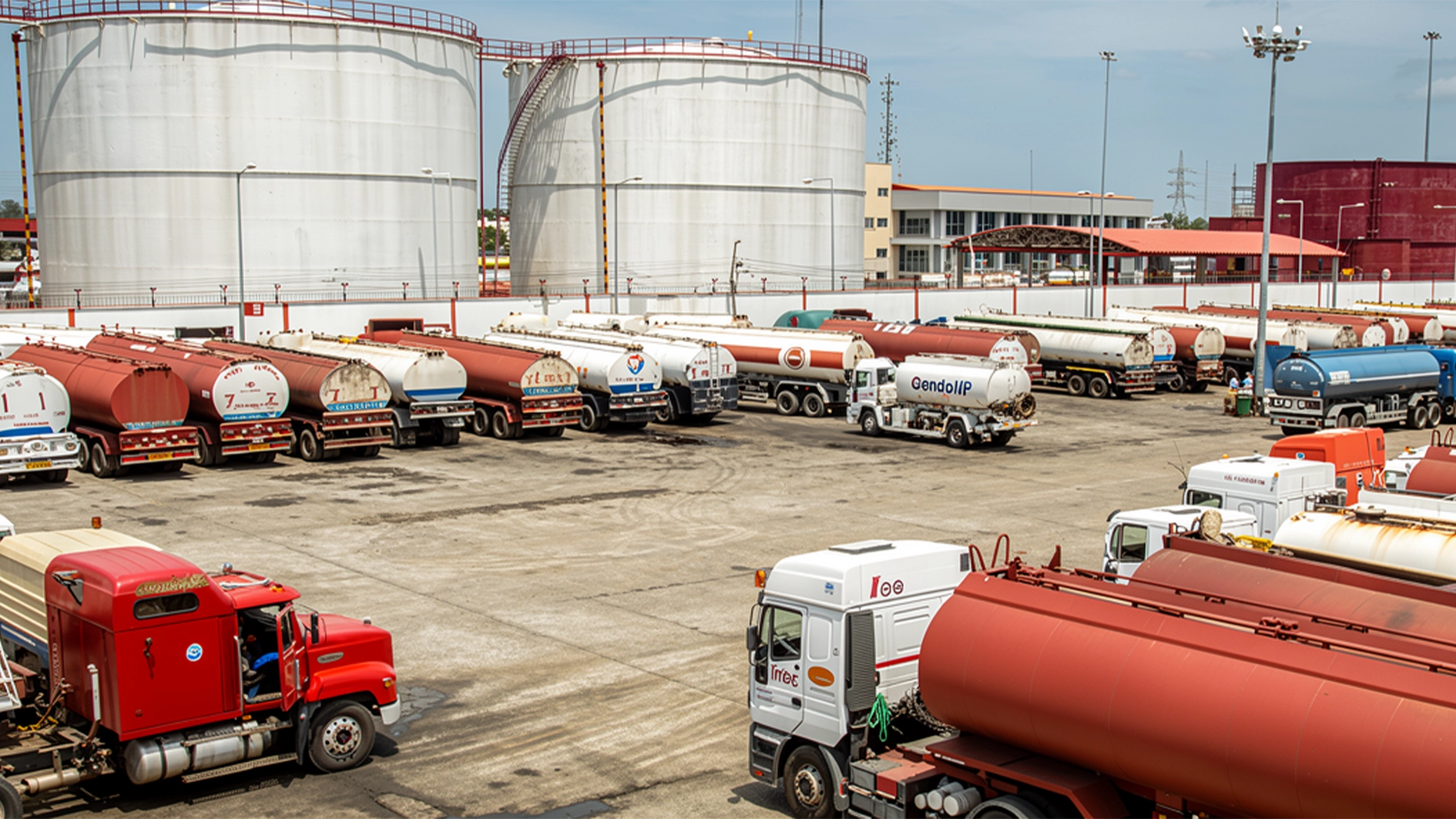
The Depot and Petroleum Products Marketers Association of Nigeria (DAPPMAN) has reaffirmed its central role in Nigeria’s fuel supply chain, disclosing that its members currently account for about 60 per cent of the petroleum products consumed nationwide.
The association said it will sustain the contribution in 2026 as part of broader efforts to support Nigeria’s energy security at a time of structural change in the downstream oil sector.
Speaking in a virtual address, DAPPMAN Chairman Moroti Adedoyin-Adeyinka described 2025 as a challenging yet necessary transition period for the industry, marked by policy shifts, regulatory adjustments, and heightened market competition.
According to her, while the year posed challenges for operators, it also signalled the gradual emergence of a more competitive and market-driven downstream environment.
Nigeria’s downstream petroleum sector has been undergoing a reset since the removal of petrol subsidies and the implementation of reforms under the Petroleum Industry Act (PIA). These changes have altered pricing structures, supply dynamics and the roles of private marketers, while placing greater responsibility on operators to ensure consistent fuel availability without state-backed price buffers.
With major players like Dangote Refinery, which has disrupted market share and pricing, Adeyoyin-Adeyinka noted that the turbulence experienced in 2025 was not unexpected.

“With anything new, it takes time to settle,” he said, pointing to the multiple “moving parts” that defined the year.
However, she argued that by the final quarter, signs of stability had begun to emerge, with competition becoming more visible across supply and pricing.
This competition, she said, delivered tangible benefits to consumers, even amid high inflation and exchange rate pressures that continue to drive up landing costs for imported fuel.
Stakeholders agreed that the entry of multiple supply sources and more flexible pricing mechanisms has reduced the risk of prolonged fuel scarcity, even if price volatility remains a concern for households and businesses.
The association framed this role as critical to national energy security, especially in a country where fuel shortages have historically triggered economic disruption and social unrest. Adeyoyin-Adeyinka said DAPPMAN would continue to support government efforts to stabilise supply, emphasising that energy security remains its foremost priority.
While private marketers have filled gaps left by the state, Nigeria remains heavily exposed to external shocks, including foreign exchange volatility, shipping costs and global oil price swings. Until domestic refining fully meets demand, import-dependent players such as DAPPMAN members will continue to shape market outcomes.
DAPPMAN said it would continue to work with regulators, government agencies and other industry players to ensure a “fully functional downstream sector”.
This includes addressing long-standing safety concerns, particularly in the transportation of petroleum products by road. Fuel haulage accidents, pipeline vandalism and depot fires have repeatedly exposed weaknesses in Nigeria’s downstream safety architecture.

